
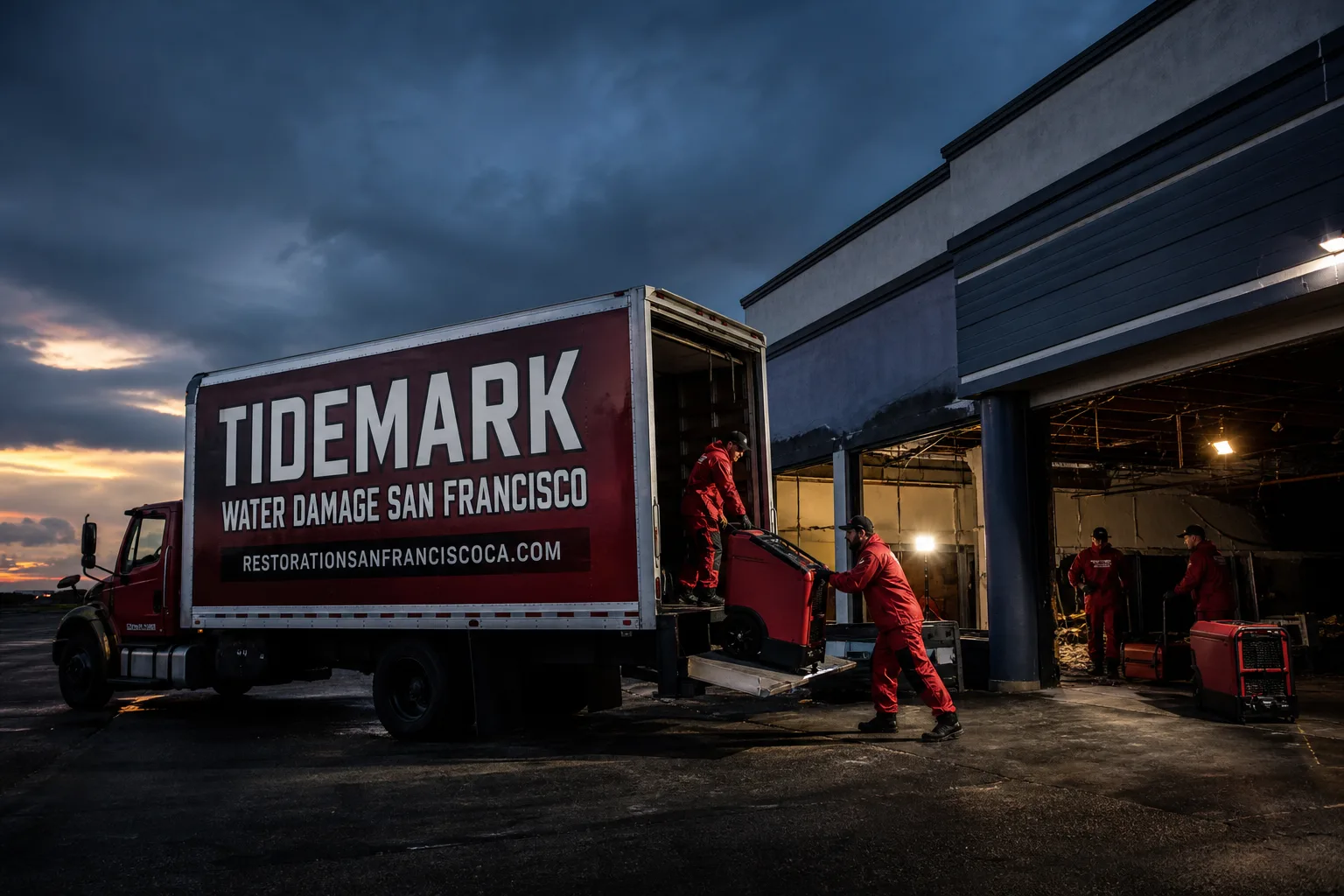
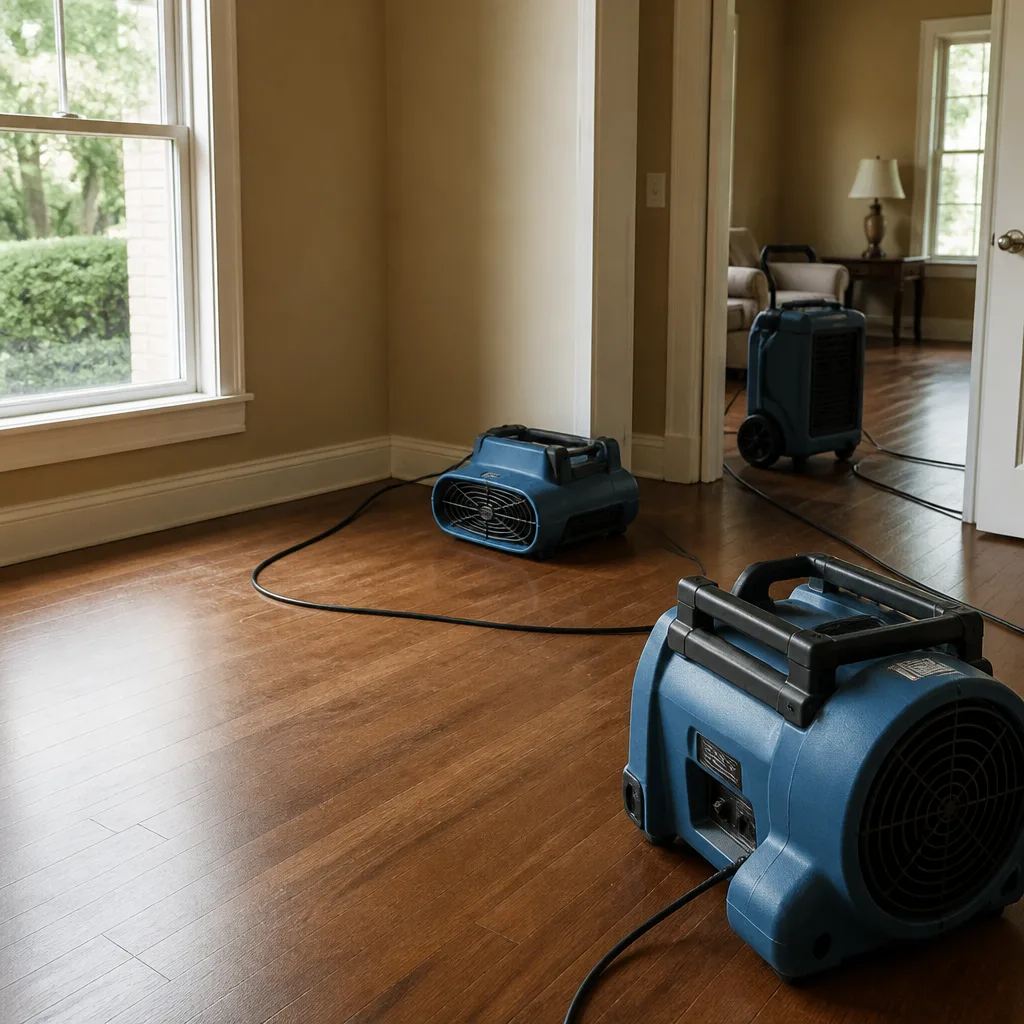
 Water damage drying
 Fire & smoke cleanup
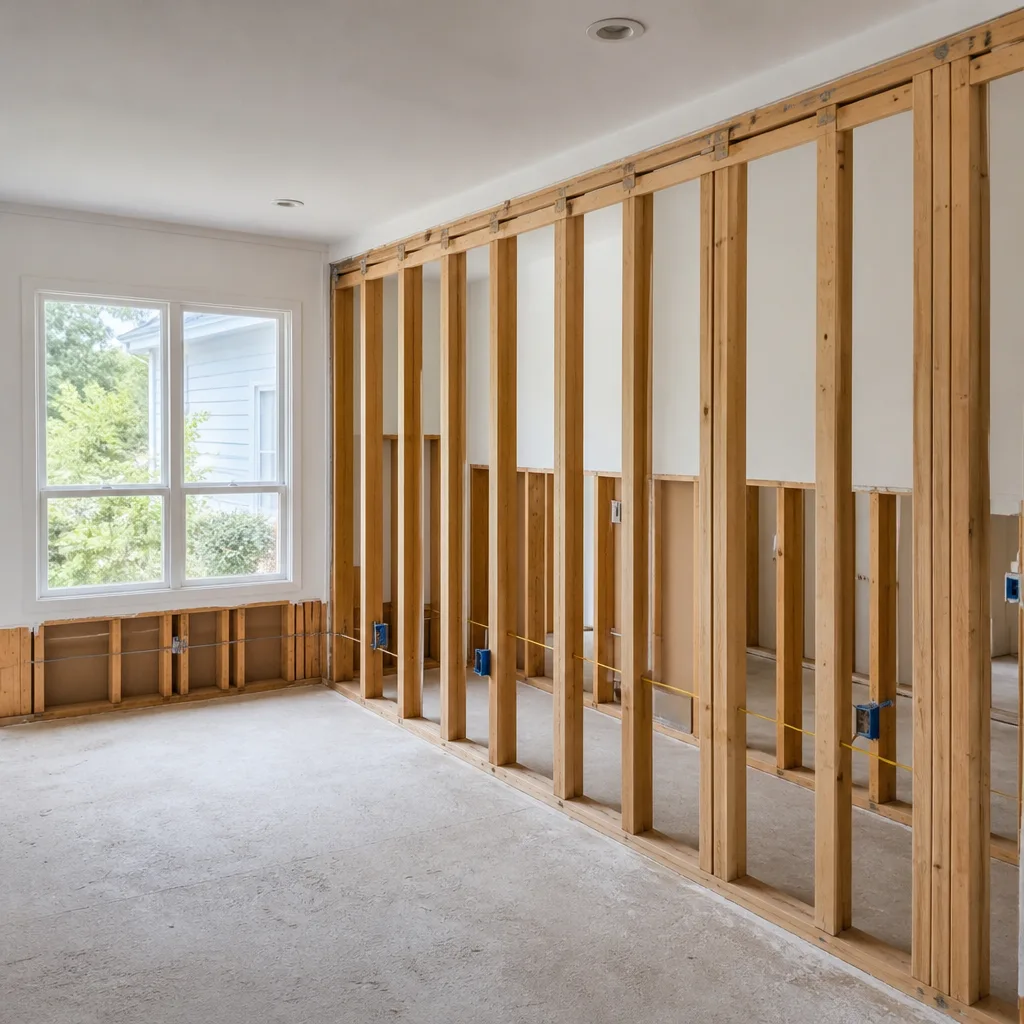 Mold remediation
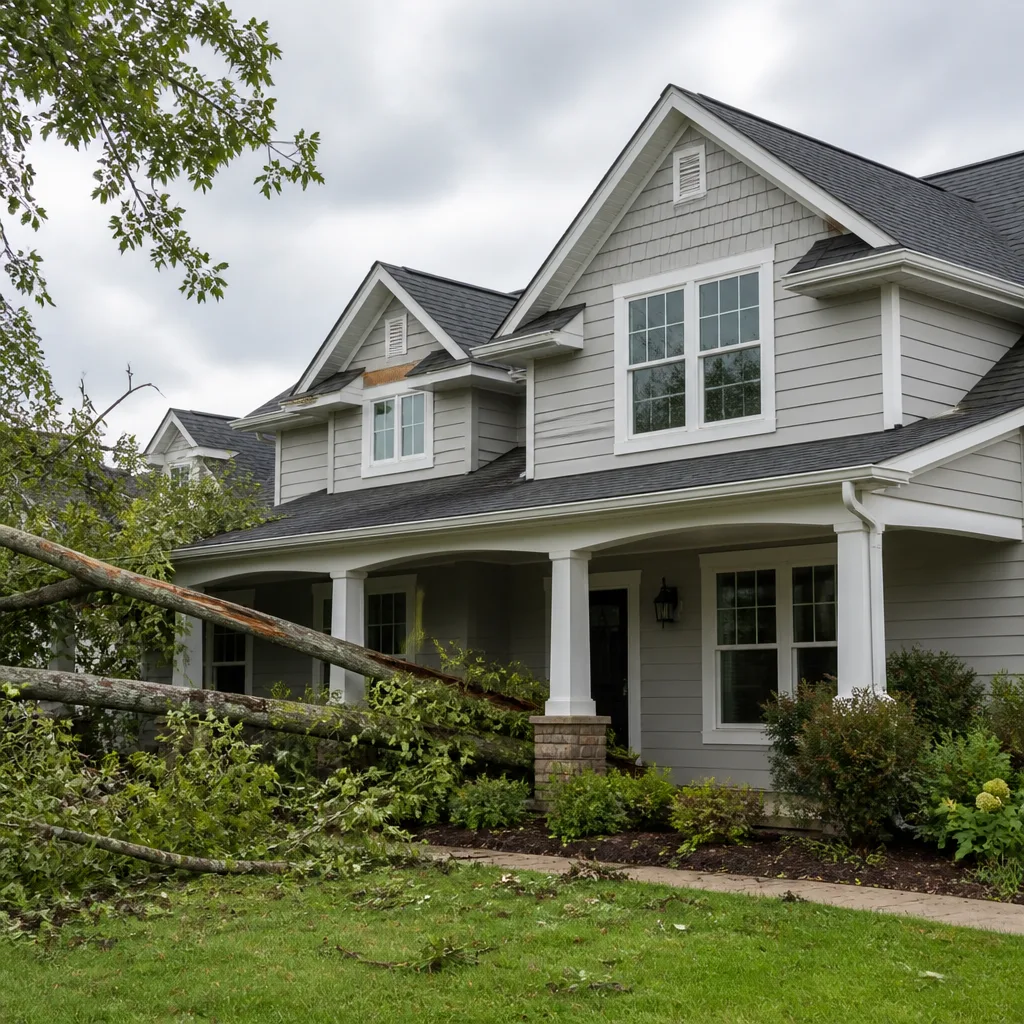 Storm response
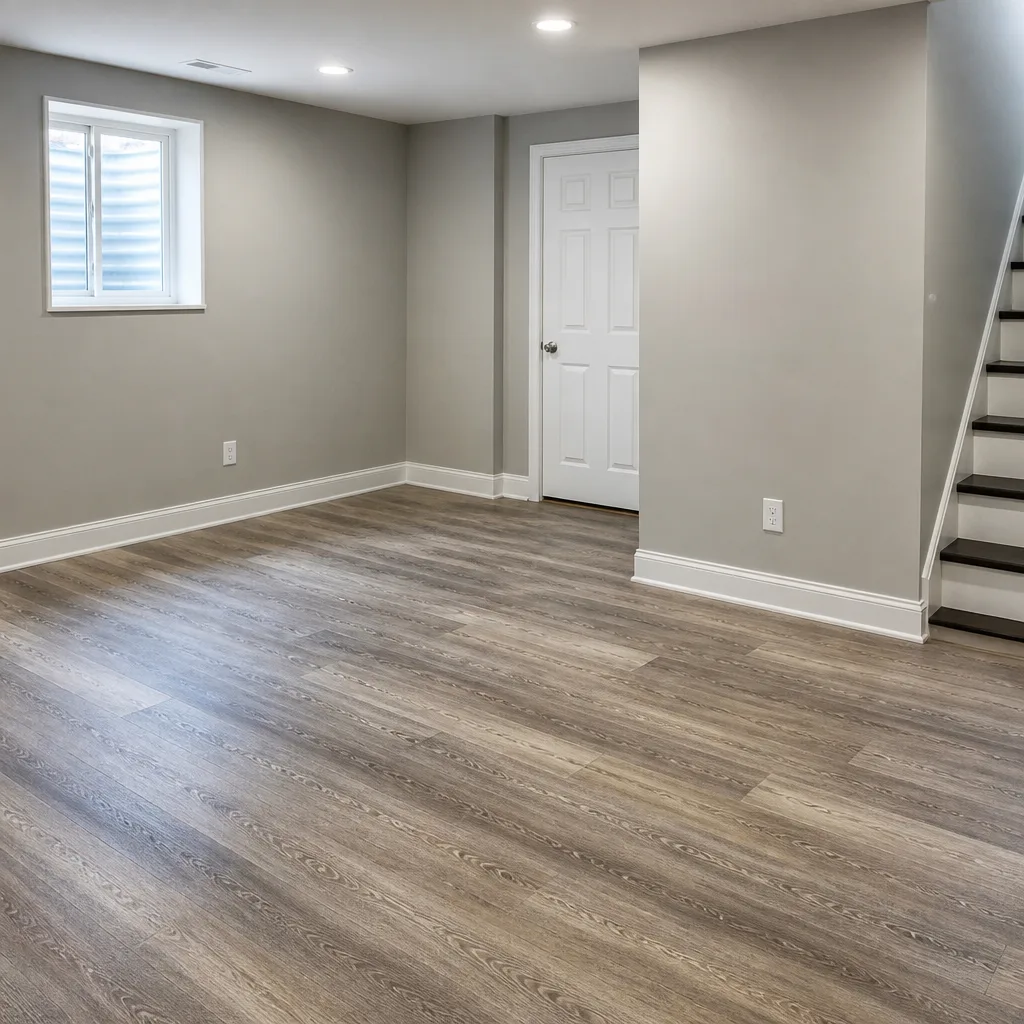 Sewage cleanup
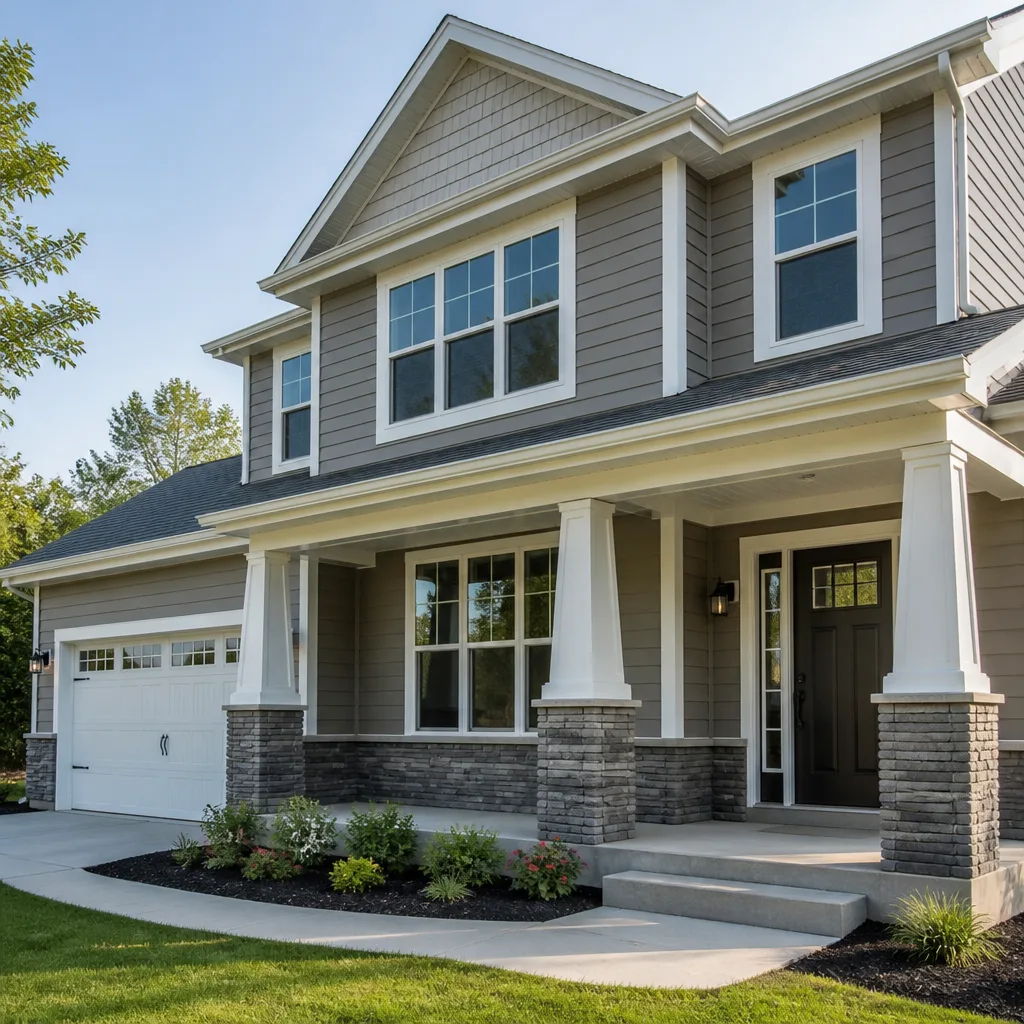 Reconstruction
Free visual inspection and a written scope of work before any mitigation begins - photos, moisture readings, and drying logs go in your claim file
The scope we write is the scope we bill. Anything new gets shown to you, in writing, before we touch it.
Get your free estimateRestoration work we handle
See the difference
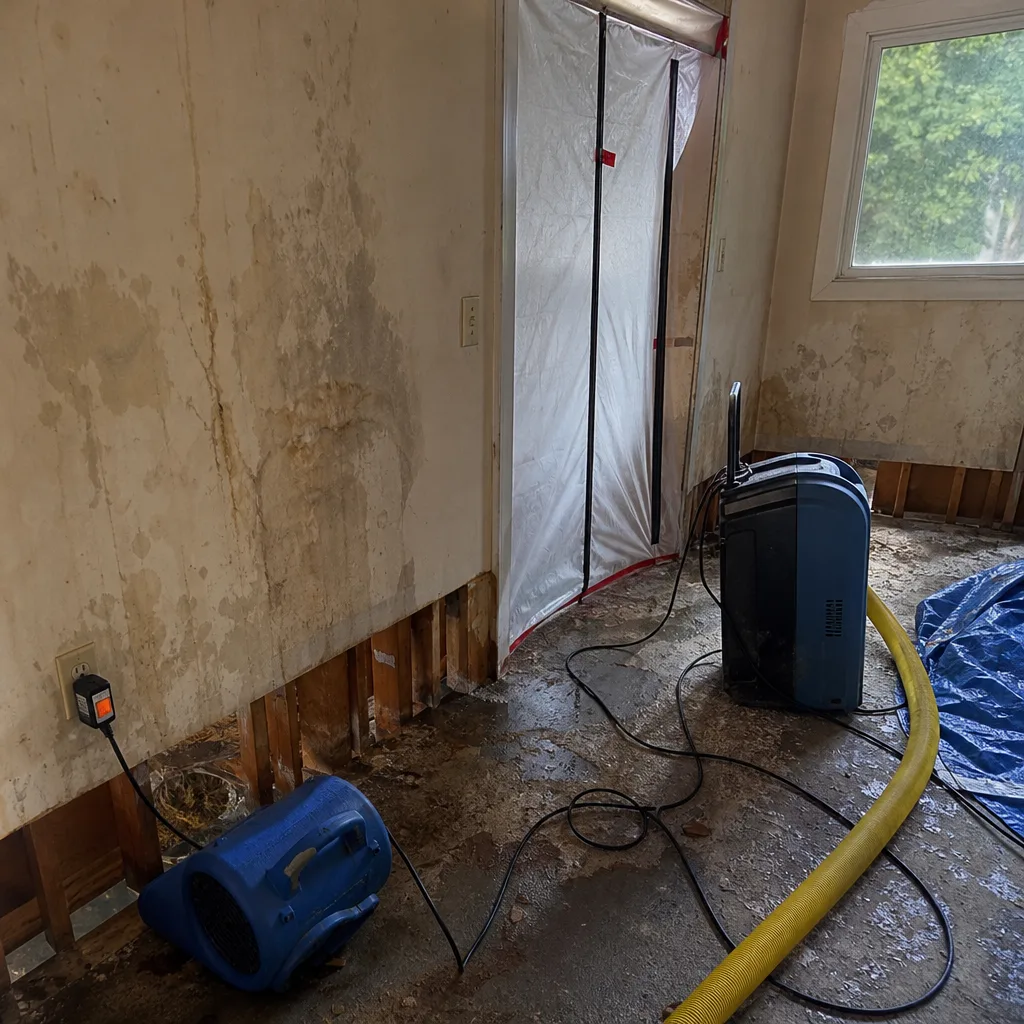 Before
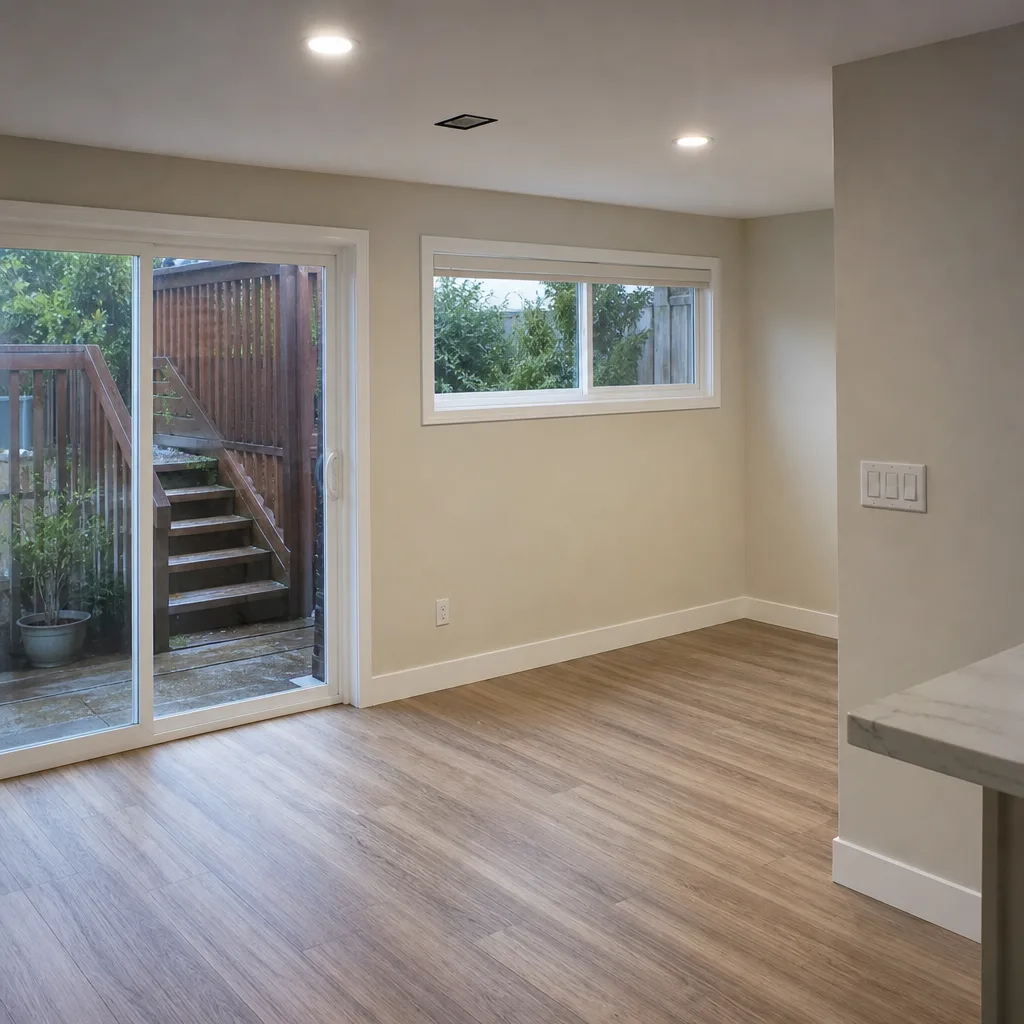 After
After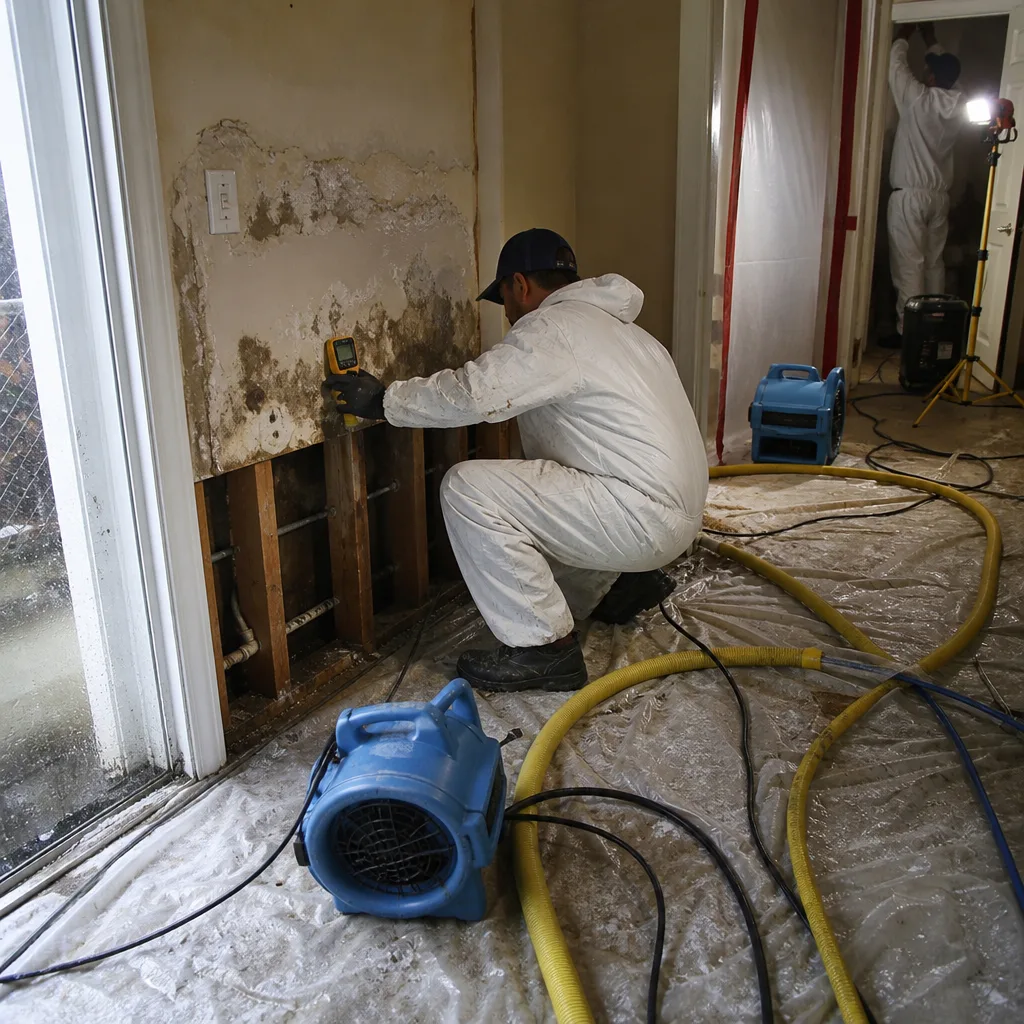 Before
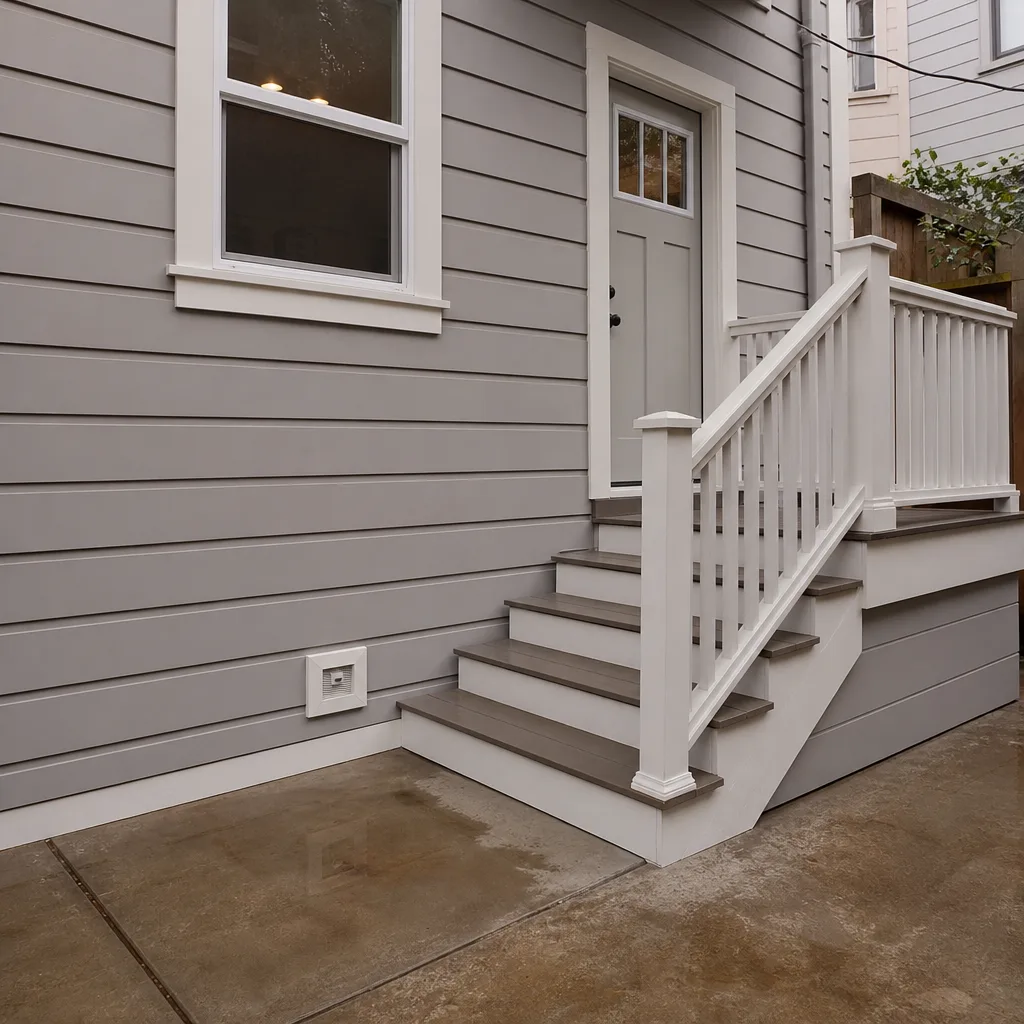 After
After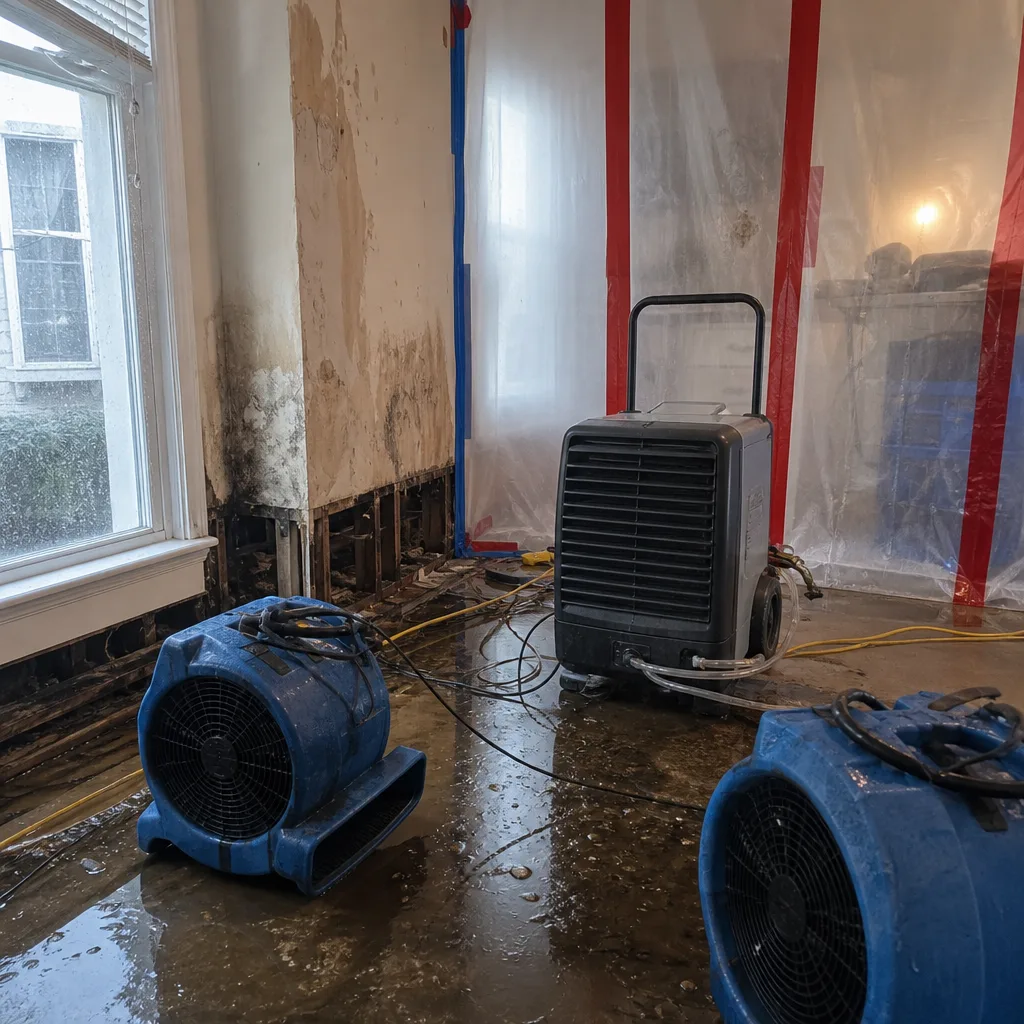 Before
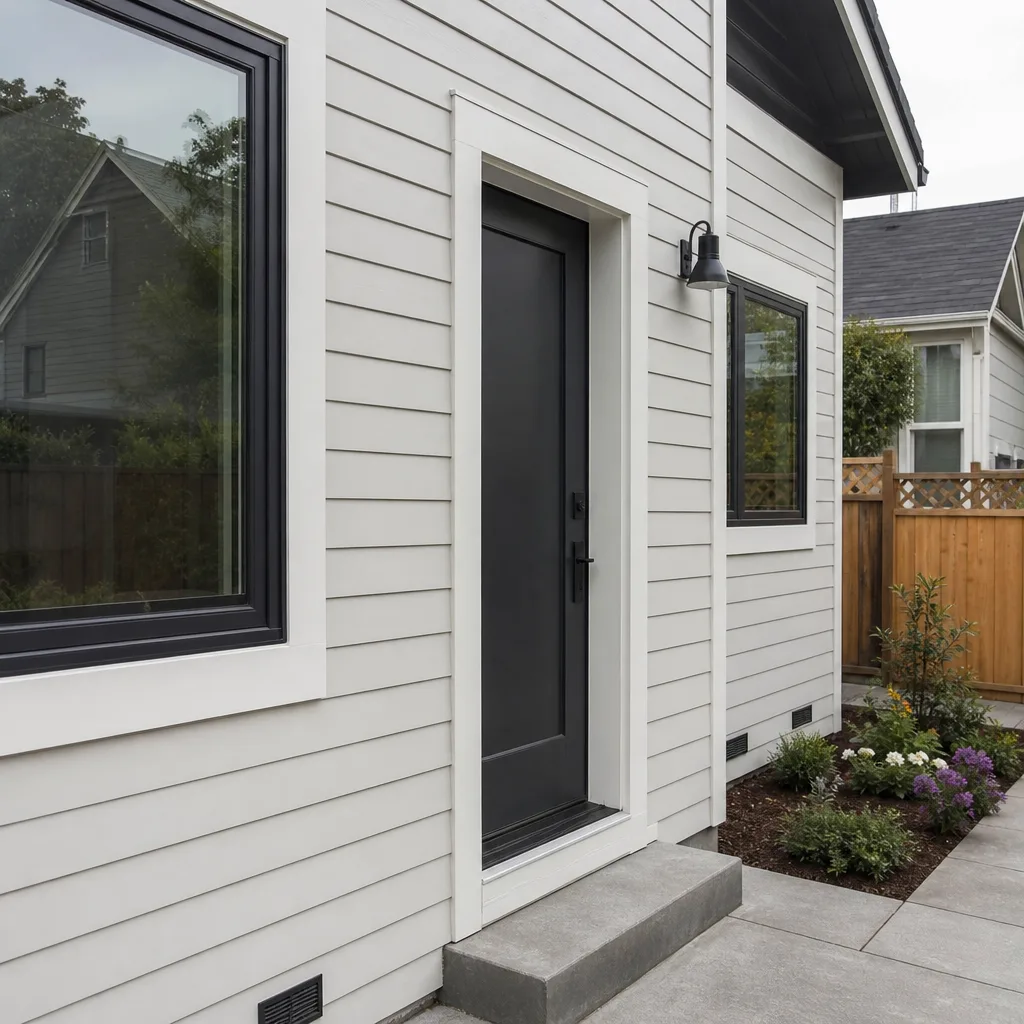 After
AfterHow Much Does Sewage Cleanup Cost in San Francisco?
Sewage cleanup in San Francisco typically costs between $2,800 and $7,500 for a standard Category 3 water intrusion affecting one or two rooms, with most homeowners paying around $4,200. Small contained spills in a single bathroom or laundry area run $800 to $1,800, while a full basement or crawl space contamination involving multiple rooms can reach $12,000 to $25,000 once demolition, drying, and sanitization are complete.
These numbers reflect the 2026 San Francisco market specifically. Labor rates, permit requirements, and disposal fees in the city run higher than the Bay Area average. And because sewage work involves biohazard material, the price includes more than extraction: it covers containment, removal of contaminated drywall and flooring, professional drying with equipment from Dri-Eaz and Phoenix, antimicrobial treatment, and final clearance testing.
At Tidemark Water Damage Restoration, you get a written price before any work starts. Not an estimate range. A written number. That matters when the invoice could otherwise shift by thousands after the crew is already in your home.
Sewage Cleanup Cost Breakdown (2026)
Here is where the money goes on a typical San Francisco sewage cleanup. These are line-item ranges based on what we see across the city, from the Outer Sunset to Bernal Heights to the Marina.
| Service Component | Typical Cost Range (San Francisco, 2026) |
|---|---|
| Emergency response & initial assessment | $150 – $350 (often waived with full service) |
| Containment setup (plastic barriers, negative air) | $300 – $800 |
| Water extraction (Category 3) | $500 – $1,500 |
| Contaminated material removal (drywall, flooring, insulation) | $900 – $4,000 depending on square footage |
| Structural drying & dehumidification (3 – 5 days) | $600 – $2,200 |
| Antimicrobial application & sanitization | $400 – $1,200 |
| Deodorization & air scrubbing | $250 – $700 |
| Disposal fees (Category 3 waste) | $300 – $900 |
| Rebuild / restoration (if needed, optional scope) | $1,500 – $15,000+ |
What moves the number up or down? The biggest driver is how much porous material has been touched. A sewage backup that sat overnight against drywall means cutting and removing that drywall, pulling baseboards, and likely lifting flooring. A toilet overflow caught within minutes might only require extraction and sanitization. San Francisco’s older housing stock plays a role too. Many Victorians and Edwardians in neighborhoods like Noe Valley and the Richmond District have plaster walls, not drywall, and plaster can sometimes be salvaged where drywall cannot, but it also hides water migration longer.
Square footage matters less than you might expect. A 400-square-foot crawl space with sewage water across the entire floor can cost more than a 1,200-square-foot living area where the spill was contained to one corner. What matters is how far the water traveled, and what it soaked on the way.
What Affects Sewage Cleanup Pricing in San Francisco
- Category of water and contamination level. Category 3 water (sewage, toilet backflow from beyond the trap, rising groundwater) requires full PPE, containment, and more aggressive material removal than Category 1 or 2. Most San Francisco sewage backups are Category 3 by definition.
- Where the backup happened. A second-floor bathroom overflow in a Marina District flat is usually more contained than a basement-level main line backup in the Sunset, where sewage can spread across concrete and migrate into wall cavities before anyone notices.
- Age and construction of the home. Pre-1940 San Francisco homes often have tongue-and-groove subflooring and plaster walls. Both absorb and hide contamination differently than modern drywall and plywood construction. They can also require more careful handling during demolition, which extends labor hours.
- Access and parking logistics. San Francisco parking is a real cost factor. Crews need to stage equipment, carry-in equipment through narrow doorways, and sometimes coordinate with building management for condos. Homes on steep streets like those in Potrero Hill or Diamond Heights add time to every trip between truck and house.
- How long the sewage sat before discovery. Water that sat for 48 hours has migrated further and done more damage than water discovered in 20 minutes. Longer dwell time means more demolition, more drying days, and higher disposal volumes.
- What needs to be rebuilt afterward. Cleanup and rebuild are two different scopes. If flooring, cabinetry, or drywall get removed, reinstalling them is a separate cost. Some San Francisco homeowners use a restoration contractor for both phases; others bring in their own finish trades. Our written price covers the cleanup scope clearly, so you know exactly where that line is.
How to Save on Sewage Cleanup
The single biggest money-saving decision is calling early. Every hour sewage sits, it absorbs into more porous material. In San Francisco’s cool, damp microclimates, that absorption happens fast, and the drying phase takes longer than it does in drier inland cities like Concord or Livermore. More absorption means more demolition. More demolition means a bigger bill.
Here are practical ways to keep the number down:
- Call the moment you see sewage, not the next morning. Night crews are available at Tidemark, and a live person answers the phone 24/7. Waiting overnight can add thousands to the final scope.
- Don’t use a household fan or space heater on sewage water. That spreads contaminated moisture into the air and into adjoining rooms. It widens the affected area, and that increases the price.
- Move small items out of the path if you can do so safely. Furniture legs, area rugs, storage boxes. The less porous material the sewage touches, the less removal is needed. Do not enter standing sewage water without proper boots and gloves, though.
- Ask for a written price before work begins. At Tidemark, that is standard on every job, not a special request. You will see the number, agree to it, and that is the number unless the scope genuinely changes during the job, in which case we stop and get written approval before continuing.
- Get the free estimate. Call (831) 400-3496 and we will walk through your situation, give you a realistic range over the phone, and schedule an in-person assessment if needed. There is no fee for the estimate, and there is no obligation.
How Tidemark Handles Sewage Cleanup in San Francisco
When our team arrives at a sewage cleanup in San Francisco, the first thing that happens is protection. Shoe covers go on at the door. Drop cloths cover the floor before the first piece of equipment comes in. We ask before we move or touch anything. If we need to relocate furniture to set up containment, we tell you first and we note exactly where things were.
The process itself follows a defined sequence:
- Assessment and documentation. We find the tide mark, which is the line water leaves on a wall or flooring surface. That line tells us how far the sewage traveled, and we dry past it, not just to it. We document everything with photos before work starts.
- Containment setup. Plastic barriers and negative air pressure keep sewage particles from moving into clean parts of the house. This is important for homes with children and pets, and it is standard on every Category 3 job we do in the city.
- Extraction. Standing sewage water is removed using professional extraction equipment. The machines are the same ones used by leading restoration specialists nationwide: Dri-Eaz, Phoenix, XPOWER, B-Air, and Injectidry.
- Demolition and removal. Contaminated drywall, baseboards, flooring, and insulation are cut out and bagged on site for proper disposal. We cut clean lines, which matters when it comes time to rebuild.
- Drying and dehumidification. Professional-grade dehumidifiers and air movers run for three to five days, sometimes longer in San Francisco’s high-humidity weather. We monitor moisture levels daily and adjust equipment placement as needed.
- Antimicrobial application and sanitization. All remaining surfaces in the affected area are treated. Where there is a product choice, we use pet-safe options.
- Final walkthrough and photo. Before the crew leaves, we take a photo of the clean-up and share it with you. You will see exactly what was done and how the space was left. That photo is part of our process, not an add-on.
If you are dealing with sewage in your home right now, start with Sewage Cleanup in San Francisco for a full explainer on the emergency steps and what to expect.
San Francisco-Specific Sewage Cleanup Considerations
San Francisco’s housing and infrastructure create some unique conditions for sewage cleanup that you will not see covered on generic national cost guides.
Older Sewer Laterals
A large share of single-family homes and small multi-unit buildings in San Francisco were built before 1950. Their sewer laterals, the pipes running from the house to the city main, are often clay or cast iron. These pipes crack, clog, and fail more often than modern PVC, and when they fail, the backup comes up through the lowest point in the house, which is usually a basement, garage, or ground-floor bathroom. In neighborhoods like the Excelsior, Outer Mission, and Ingleside, main-line backups are a regular call for us, and they tend to be larger jobs because the water has had time to travel.
Hilltop and Hillside Homes
Homes on steeper terrain, think Bernal Heights, Diamond Heights, Twin Peaks, and Potrero Hill, often have retaining walls and below-grade living space. Sewage that spills in a below-grade room gets into concrete, into wall cavities, and behind finishes quickly. Those jobs run on the higher end of the price range because access is harder, containment is more complex, and drying takes longer with limited ventilation.
Fog, Humidity, and Drying Time
The Sunset, the Richmond, and other western neighborhoods sit under the fog layer much of the year. Ambient humidity in those areas runs consistently higher than in the Mission or SoMa, and higher humidity means dehumidifiers work harder and longer. A drying phase that takes three days in drier weather might take five or six in a foggy stretch, and that shows up in the drying line item on the invoice.
Multi-Unit Building Coordination
Condos and apartments across San Francisco, from SoMa high-rises to Marina District flats, involve HOA coordination, shared-wall containment, and sometimes building-wide announcements during cleanup. We handle that communication, but the coordination time is real and is reflected in the labor estimate for jobs of that type.
Insurance and Sewage Cleanup: What You Should Know
Most homeowners insurance policies in California cover sewage cleanup when the backup is sudden and accidental and when the policy includes sewer backup coverage. That last point is important: standard homeowners policies do not automatically include sewage backup. Many San Francisco homeowners add the endorsement after a neighbor’s story scares them into checking, and we recommend you check yours now, before you need it.
If you are filing a claim, our team can work directly with your adjuster. We document everything in the format insurers expect, with moisture readings, photos, and line-item scope sheets. The written price you receive before work starts becomes the basis for the claim, which removes a lot of back-and-forth stress during an already stressful situation.
What if you are paying out of pocket? You still get the same written price, the same equipment, and the same 365-Day Done Right Promise. The standard does not change based on who writes the check.
FAQs – Sewage Cleanup Cost
How much does sewage cleanup cost per square foot in San Francisco?
For a typical Category 3 sewage job, San Francisco homeowners should budget $8 to $18 per square foot of affected area for cleanup, drying, and sanitization. Rebuild work is additional. A 300-square-foot affected area usually falls between $2,400 and $5,400 for the cleanup phase alone. Call (831) 400-3496 for an exact quote, and remember the estimate is free.
Is sewage cleanup covered by homeowners insurance?
It usually is covered if the backup was sudden and accidental and if your policy includes a sewer backup endorsement, which typically adds $40 to $130 per year to a California homeowners policy. Without that endorsement, sewage backup coverage is often excluded. We recommend checking your policy declarations page before you need it.
Can sewage cleanup be done in one day?
Extraction and initial sanitization can often be completed in 4 to 8 hours for a contained spill. However, the full cleanup scope, including drying, usually takes 3 to 5 days because moisture inside walls and subflooring must be pulled out slowly to prevent secondary damage. Rushing the drying phase is a common cause of repeat problems, and it is not something we do.
Is it cheaper to clean up sewage myself?
In dollars, yes, initially. A homeowner who rents a wet vac and buys over-the-counter disinfectants might spend $200 to $500 on a do-it-yourself attempt. But sewage is a biohazard (Category 3 water), and without proper containment, PPE, and drying equipment, the contamination often spreads into areas you cannot see. The cleanup that follows a DIY attempt is usually larger and more expensive than the original job would have been, and most homeowners end up paying more overall. Call (831) 400-3496 and we will give you a realistic price before you make any decision.
What increases sewage cleanup costs the most in San Francisco?
The three biggest cost multipliers are time elapsed before discovery, the amount of porous material affected (drywall, flooring, insulation), and access complexity. A toilet overflow caught in 20 minutes on a ground-floor bathroom might cost $800 to $1,500. The same overflow left overnight in a basement with finished drywall might run $4,000 to $8,000. The difference is in how much material gets removed and how many drying days are required.
Do you charge for estimates?
No. Estimates are free, and when you call (831) 400-3496, a real person answers. We will ask about the situation, give you a realistic range based on San Francisco pricing, and schedule an assessment if needed. The written price comes before any work starts, every time.
Get a Sewage Cleanup Price for Your San Francisco Home
If you are dealing with a sewage backup right now, call (831) 400-3496. A live person answers, day or night. We will walk through what happened, what you are seeing, and what the realistic cost range looks like for your specific situation in San Francisco. Then we will send a team if you want one, or just give you the information you need to make a good decision.
And if this is research in advance, keep our number saved. When a backup happens, the families who call early pay less. That is the honest truth, and it holds in every San Francisco neighborhood we serve, from the Outer Richmond to Bayview to Glen Park.
Pricing reflects the San Francisco market as of 2026. Tidemark Water Damage San Francisco offers free estimates, call (831) 400-3496.
Written by Rick Sumner, Owner at Tidemark Water Damage San Francisco, serving the Bay Area since 2006.
What Our Customers Say
"Flooded laundry room. They were thoughtful about the fan noise near the nursery and moved equipment when I asked. Checked in every single day."
- Reuben Castillo"Dishwasher leaked under the floor for a while. They found the hidden moisture, dried it without tearing up more than they had to, and left the kitchen clean and treated. Gentle with the whole process."
- Gary Linden"Flooded laundry room. They set up fans but were thoughtful about the noise around the baby's room and moved equipment when I asked. Kind, clean, and they checked in daily."
- Marcus Delacroix