
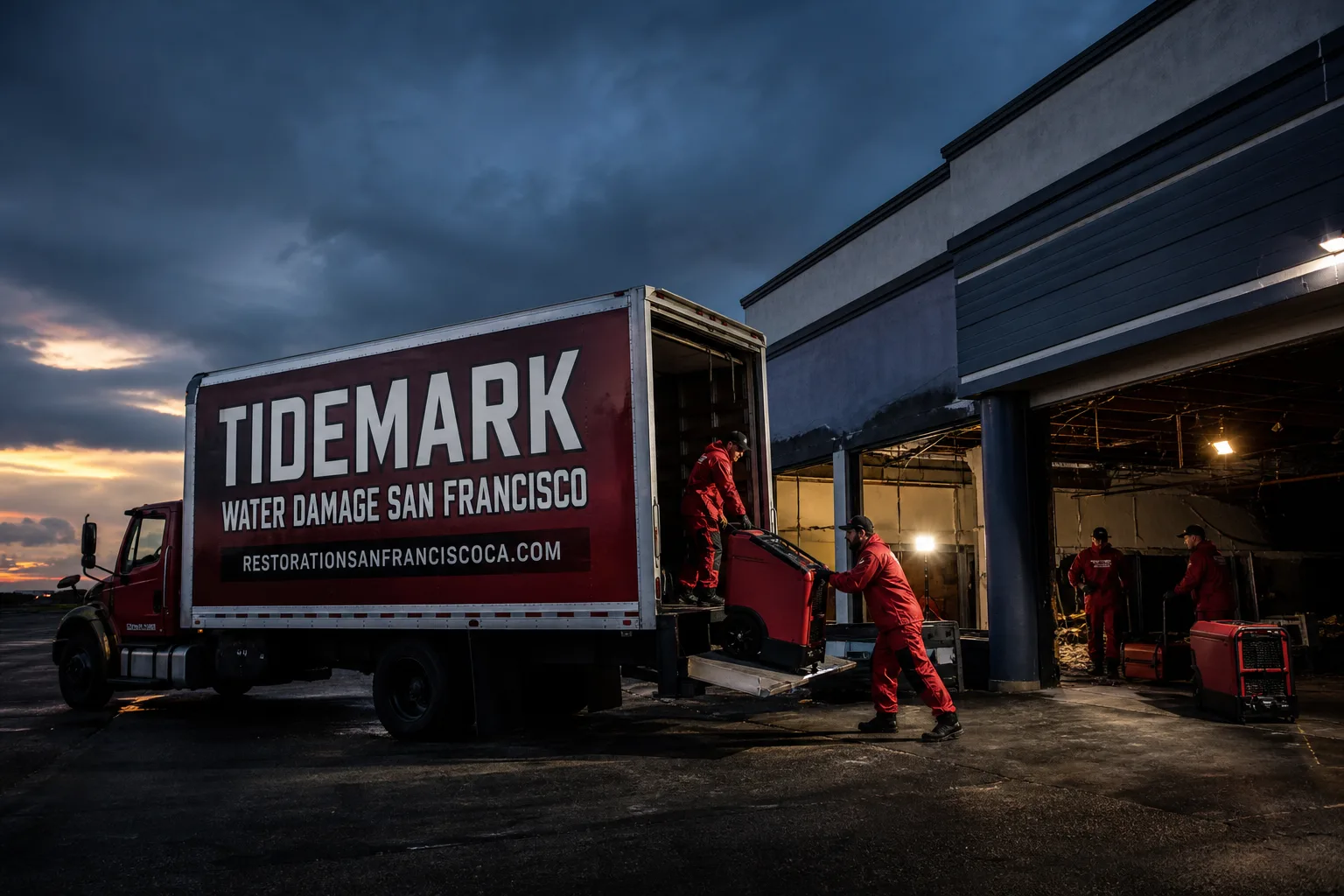
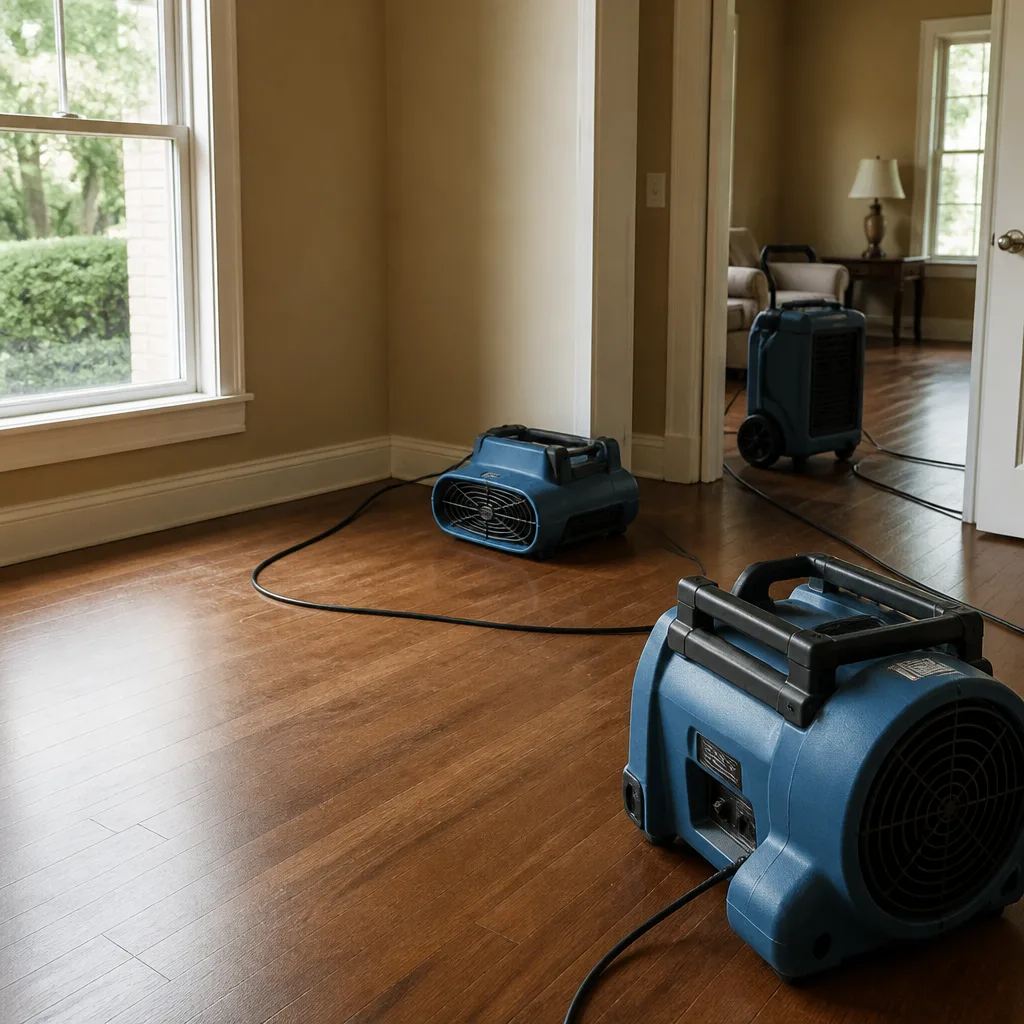
 Water damage drying
 Fire & smoke cleanup
 Mold remediation
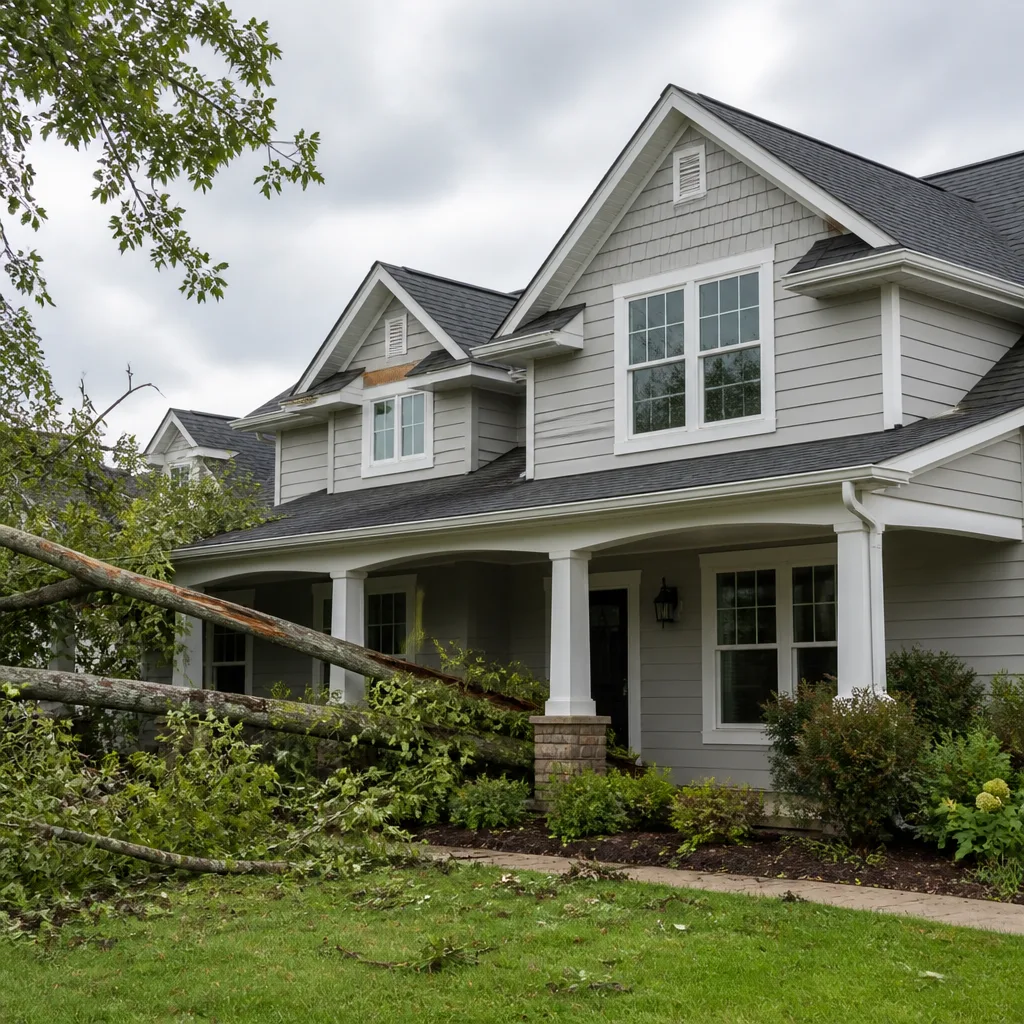 Storm response
 Sewage cleanup
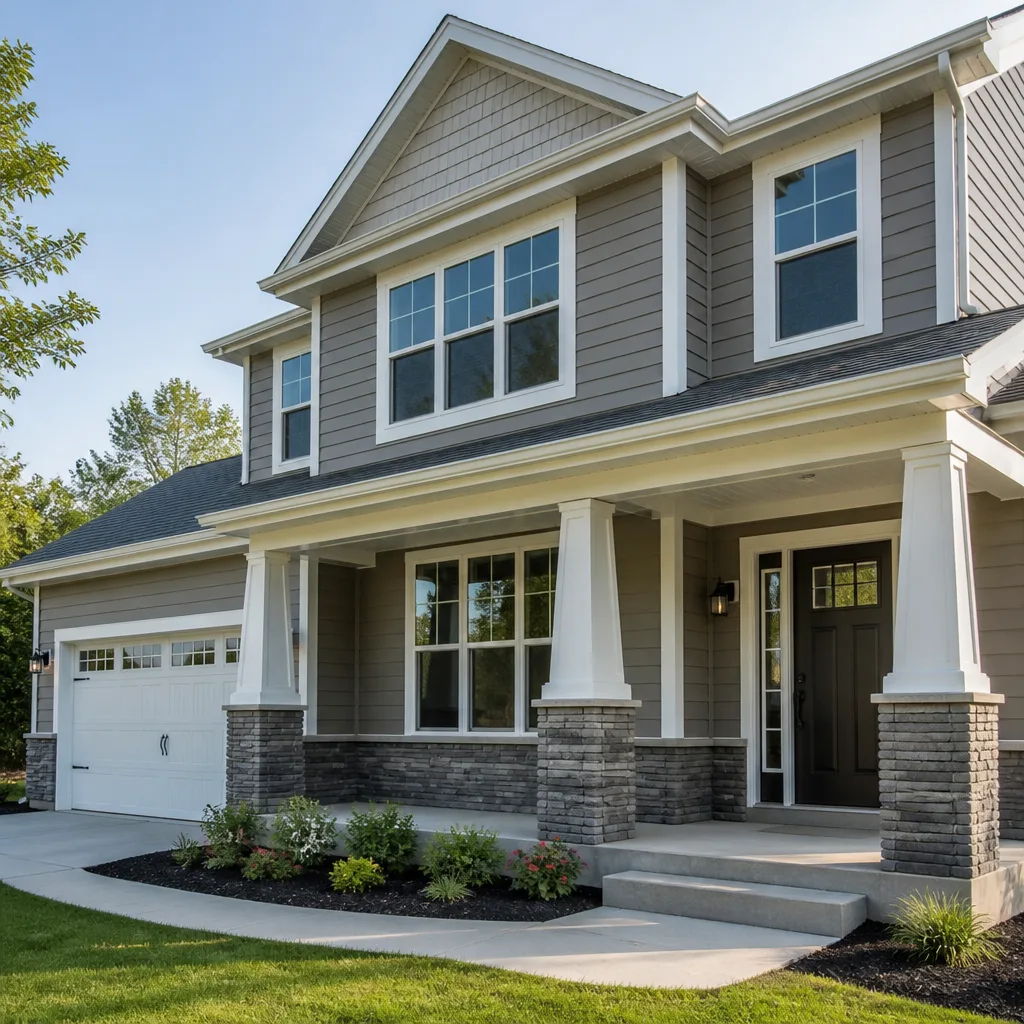 Reconstruction
Free visual inspection and a written scope of work before any mitigation begins - photos, moisture readings, and drying logs go in your claim file
The scope we write is the scope we bill. Anything new gets shown to you, in writing, before we touch it.
Get your free estimateFast, Reliable Fire Damage Restoration Across San Francisco
A kitchen fire in a Sunset District Edwardian, a grease fire in a third-floor Haight walkup, an electrical fire in a Noe Valley Victorian. Fire damage in San Francisco moves differently than in suburban cities, because the housing stock is older, the walls are denser, and the buildings sit shoulder to shoulder. Smoke works its way through lath-and-plaster, soot settles into shared wall cavities, and water from the fire department can pool in places you won’t see for weeks. That’s why we run our crews with the city’s specific construction in mind, not a generic playbook. If you’re standing in a fire-damaged room right now, call (831) 400-3496. A live person answers, day or night, and we’ll walk you through the first steps without rushing you.
Why Tidemark Water Damage San Francisco Is San Francisco’s Preferred Fire Damage Restoration Company
We’re not a franchise branch trying to figure out San Francisco’s quirks from a corporate manual. We’re an independently owned and operated restoration team working to the Cedarwell Care Promise, and we’ve been running fire jobs in this city long enough to know that a 28-inch service door in a Victorian means something very different than a two-car garage in Daly City. Rick Sumner leads our crews, and the standard he sets is simple: explain what we’re going to do before we touch anything, protect what can be protected, and dry past the tide mark, not just to it.
Our Fire Damage Restoration team carries compact air movers and low-profile drying units specifically because San Francisco’s older buildings don’t accommodate full-size equipment. A standard 36-inch air mover won’t fit through a lot of the doorways we see in the Mission, Bernal Heights, and the Richmond. So we don’t bring them. We bring XPOWER and B-Air units that actually make it up the winding stairs and through the alley-load doors. That’s the difference between drying a wall cavity in five days and watching mold set in while someone waits for equipment that doesn’t fit.
There’s no license number we flash to impress you. There are IICRC, RIA, and IFA credentials behind our technicians, and there’s a written price before any work starts. Every single job. No exceptions. We also take a photo of the cleanup before the crew leaves, because you should see what was done and how it was left, even in the chaos of a fire loss. Shoe covers go on at the door. Drop cloths go down before the first piece of equipment comes in. It’s not an upsell; it’s the baseline.
Restoration work we handle
Fire Damage Repair in San Francisco
Fire damage repair in San Francisco typically runs between $3,200 and $9,800 depending on the size of the room, the type of construction, and whether structural members behind the walls were compromised, and the work often starts the same day we complete our assessment. This is the repair that puts your home back together after the fire and the water used to put it out have both done their damage. In an older wood-frame building, it means more than patching drywall. It means checking joists, sill plates, and studs for charring that could compromise the structure, then rebuilding what’s necessary with materials that match the original construction.
Structural Framing and Char Removal
When fire chars a beam or a joist, we don’t just paint over it with sealant and call it done. Charred wood loses structural capacity, and in San Francisco’s older buildings, those structural members are often holding up two or three floors above you. We remove the damaged section, assess what can be sistered or reinforced, and rebuild to code before any cosmetic work happens. This is especially critical in pre-1940 wood-frame construction, where the framing was often undersized by today’s standards and the margins for error are smaller.
Finishing, Painting, and Restoration
Once the bones are sound, we bring the room back to life. This means new lath-and-plaster or drywall, trim that matches the original profile, fresh paint, and flooring that matches what was there before. For a Victorian or Edwardian in San Francisco, that often requires sourcing period-appropriate materials or working with the city on what can be restored versus replaced. The goal is a room that doesn’t look like it had a fire, not a room that looks like a renovation project.
Fire Damage Cleanup in San Francisco
Fire damage cleanup in San Francisco runs $1,800 to $5,400 for a typical single-room fire, and includes removal of debris, soot cleaning from surfaces, and smoke odor treatment with professional equipment. This is the first phase of any fire restoration, and in this city it’s often the most urgent. Soot is acidic. Left on metal fixtures, it starts corroding them within hours. Left on painted walls in a fog-moistened building, it bonds and becomes harder to remove every day. We get in fast, set up containment, and start pulling out everything that can’t be saved before it contaminates what can.
Soot and Smoke Residue Removal
Soot isn’t just a stain. It’s a film of fine, oily particles that works its way into every porous surface. We use HEPA vacuums and dry chemical sponges before we introduce any moisture, because water on soot turns it into a smeared mess that’s twice as hard to clean. In shared-wall buildings, this step matters even more, because soot that migrates into a neighbor’s wall cavity before we contain it becomes a claim that didn’t need to happen.
Odor Neutralization with Ozone and Thermal Fogging
Smoke odor doesn’t live in the air; it lives in the materials. Lath-and-plaster walls, old growth redwood framing, and original fir floors all hold smoke differently than modern building materials, and in San Francisco’s housing stock, that means deep-penetrating odor work. We use thermal fogging to open the pores of surfaces and drive a deodorizing agent in, then follow with ozone treatment in sealed rooms to neutralize what’s left. This step has to be done before any paint or finish work, otherwise the odor comes back through the new paint.
Trusted Brands We Service in San Francisco
We work on the equipment and materials that San Francisco’s older homes are built with. That means servicing and drying around original redwood framing, lath-and-plaster assemblies, and vintage fixtures that can’t just be replaced with whatever’s on a shelf. We stock fasteners, trims, and materials that match Victorian and Edwardian profiles for local San Francisco projects, and we carry common restoration parts in our Bay Area dispatch location so we’re not waiting on a supply house in Sacramento when your wall is open. IICRC guidelines and Dri-Eaz drying equipment are standard on every job, because the materials we’re saving deserve better than guesswork. For homes in San Francisco with original doors, millwork, or built-ins that survived the fire, our technicians match profiles and wood species rather than slapping in a modern replacement that looks out of place.
Common Fire Damage Restoration Problems We See in San Francisco Homes
- Fog-moistened plaster that traps water after fire suppression. The western neighborhoods get heavy fog most nights of the year, and older plaster walls absorb that moisture like a sponge. When a fire is extinguished and water sits in those walls for more than 24 to 48 hours, mold starts in the wall cavity before anyone sees it. We dry past the tide mark, which means running structural drying until moisture readings match our drying logs, not just until the surface looks dry.
- Tight clearances that stall a standard dry-out. Victorian service doors, winding stairwells, and 28-inch alley access doors are common in this city, and they’re not built for full-size restoration equipment. If a crew shows up with standard 36-inch air movers and can’t get them upstairs, drying stalls and mold gets a head start. We bring compact XPOWER and B-Air units that fit where the building actually lets us go.
- Shared wall fire spread that catches neighbors off guard. In a multi-unit Victorian, a fire in one flat can push smoke and soot into the adjacent unit’s wall cavity. Open up that party wall without containment and you’ve just turned a single-flat job into a whole-building claim. We set up negative air and containment before we open any shared wall, and we document the pre-loss condition so there’s no question about whose damage is whose.
- Pre-existing dry rot hiding in old sill plates. The Sunset and Richmond districts are full of garages and ground floors with no vapor barrier, which means decades of fog and damp have already worked on the sill plates. A fire that burns those same plates compounds the problem: the wood was compromised before the fire, and now it’s charred. We pull out the damaged section, assess the extent, and rebuild with proper drainage and ventilation in mind.
See the difference
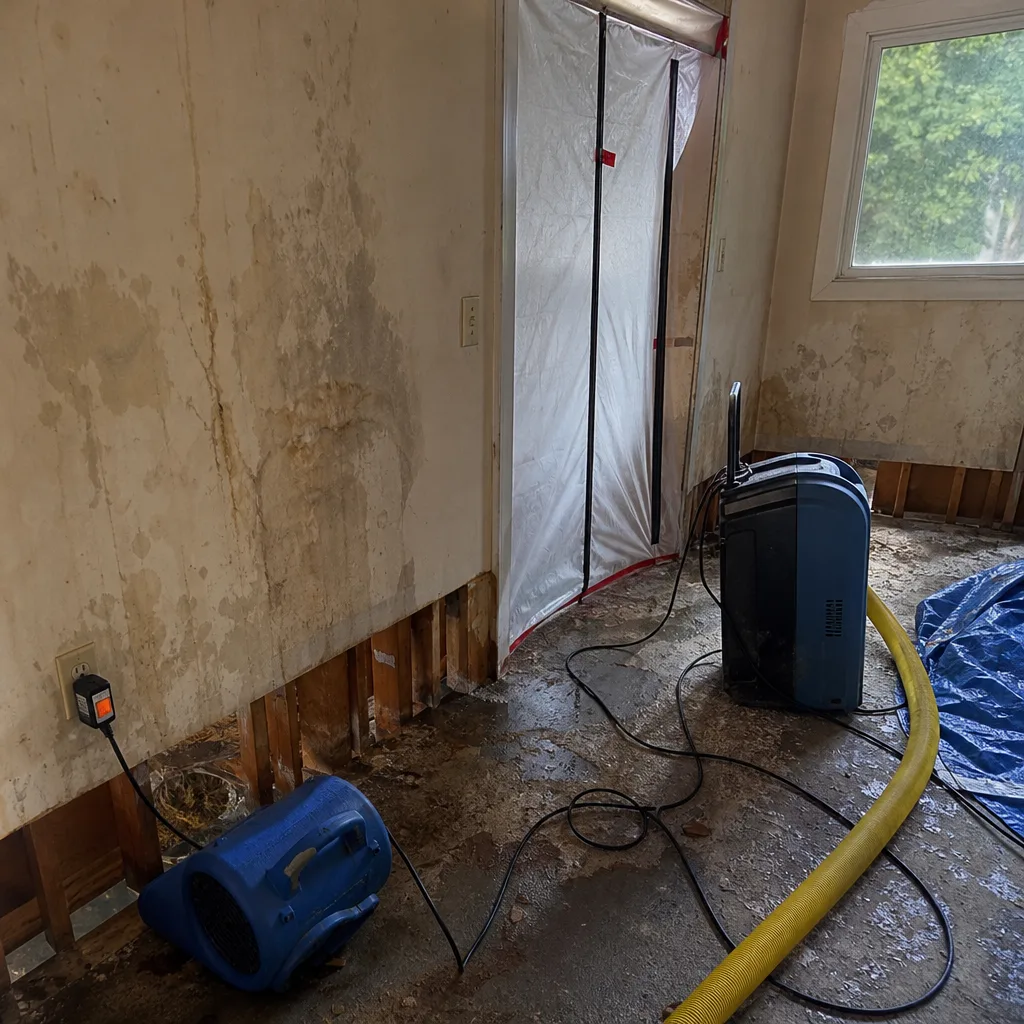 Before
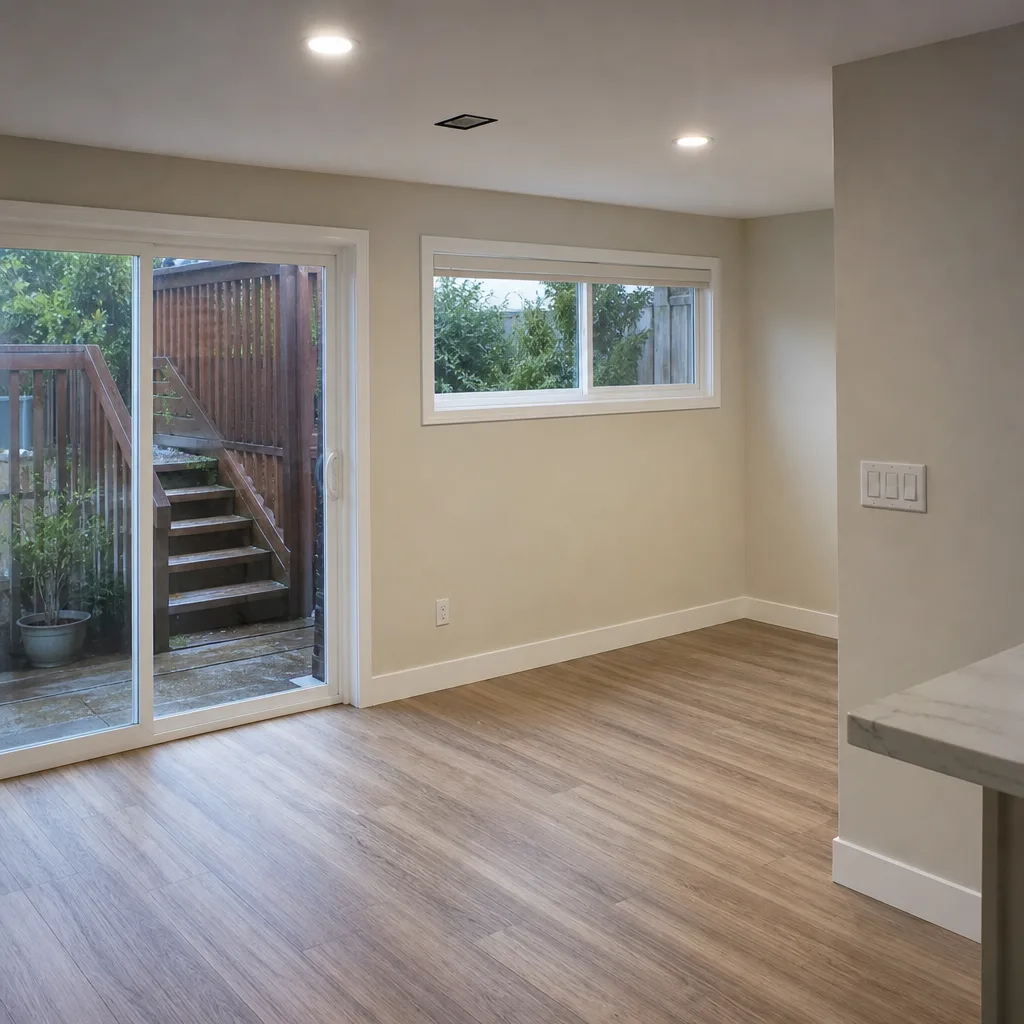 After
After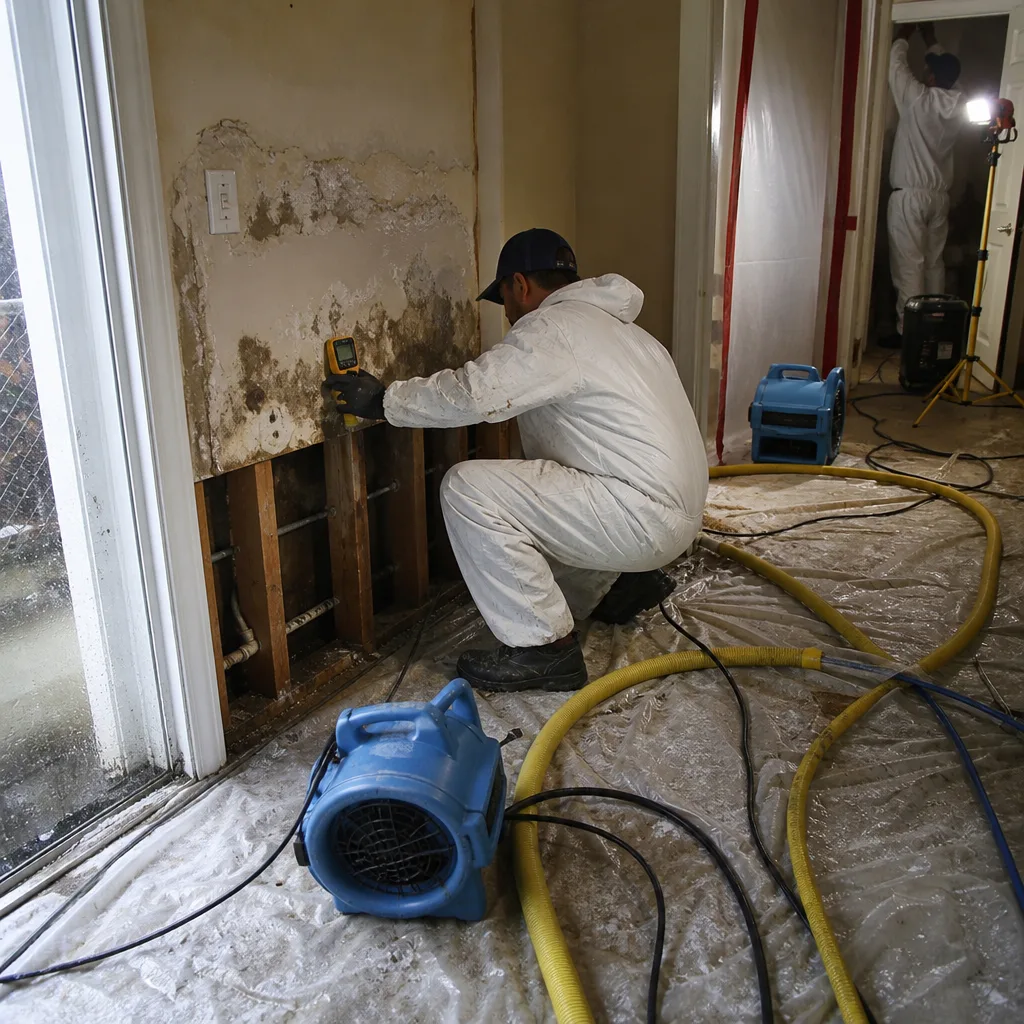 Before
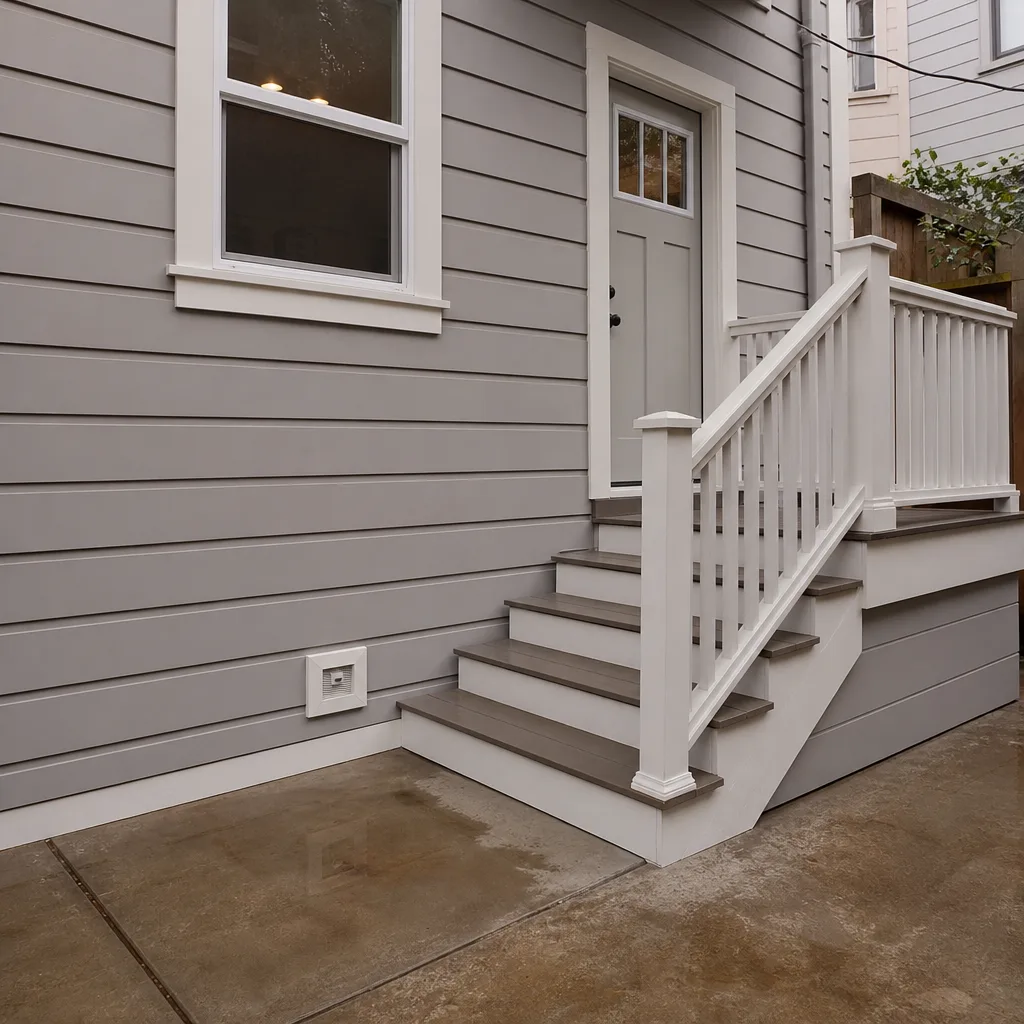 After
After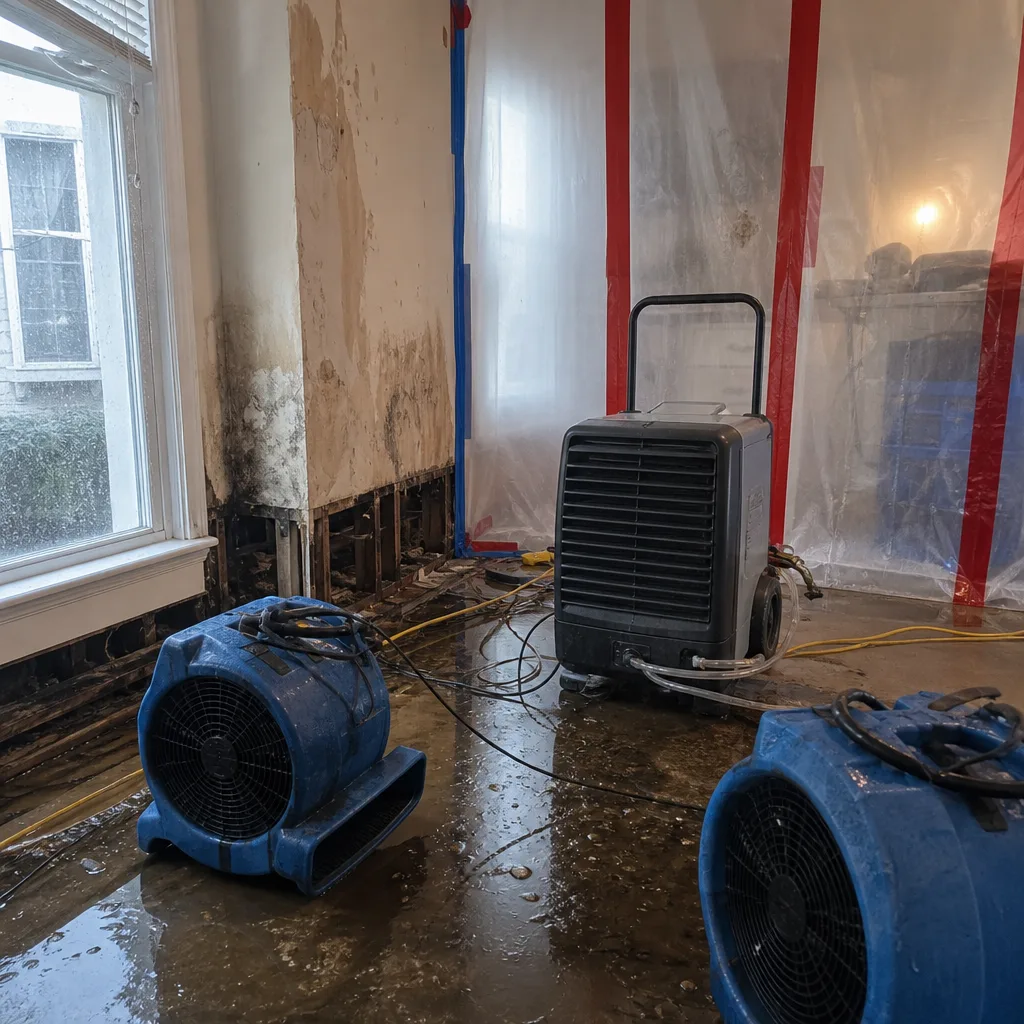 Before
 After
AfterPricing for Fire Damage Restoration in San Francisco, CA
We Also Serve Cities Near San Francisco
Our Fire Damage Restoration in San Francisco coverage extends to the neighboring communities where many of our clients live and work. We run crews into Daly City, South San Francisco, Alameda, and Berkeley with the same equipment, the same written-price-before-work standard, and the same understanding of older wood-frame construction that shapes our work in the city itself. Dispatch is coordinated from our Bay Area office, so scheduling is local and response times are measured in hours, not days.
Serving San Francisco, CA - Our Local Coverage Area
We’re based in the San Francisco area and know this community well. Use the map below to see our service coverage - if you’re nearby, we can almost certainly help.
FAQs About Fire Damage Restoration in San Francisco
How do San Francisco’s historic preservation rules affect fire damage restoration on a Victorian or Edwardian flat?
San Francisco’s Planning Department reviews exterior changes to buildings that are listed or eligible for historic status, which means any fire repair that touches a facade, roofline, or visible exterior detail may need design review approval before work proceeds. Interior restoration generally moves faster, but if the fire damaged exterior walls, we coordinate with the city early so the repair doesn’t stall mid-project. Call (831) 400-3496 and we’ll help you figure out early whether your job triggers preservation review.
What’s the biggest risk when a fire is extinguished in an older Sunset or Richmond district home?
The biggest risk is water sitting in fog-moistened plaster and wall cavities for more than 24 to 48 hours, because that’s the window where mold starts and turns a fire restoration into a full wall assembly replacement. These western neighborhoods have nightly fog and older homes with no vapor barriers, so the walls were holding moisture before the fire department showed up. We prioritize water extraction and structural drying in the first 48 hours. Call (831) 400-3496 for a same-day assessment.
Can you save the original lath-and-plaster walls after a fire, or do they have to come out?
In many cases, lath-and-plaster walls can be saved if the fire damage is limited to soot, smoke, and surface charring, because the plaster itself is a fire-resistant material. The question is whether the lath behind it charred or the studs in the wall were compromised, and that’s a structural assessment we do before we start opening walls. If the plaster can be saved, we clean it, seal it, and patch it rather than replacing it with drywall. Call (831) 400-3496 and we’ll tell you what can be saved before we recommend what to replace.
How do you handle fire damage when the building shares a wall with another unit?
We set up containment and negative air pressure before we open any shared wall, so smoke and soot from the fire unit don’t migrate into the adjacent flat and turn a single-unit job into a building-wide claim. We also document the pre-loss condition of both units, which matters for insurance and for neighbors who may not have been affected by the fire itself but could be affected by the restoration. Call (831) 400-3496 and we’ll walk you through how your specific building is handled.
What does a typical fire damage cleanup involve on a steep hillside property in Noe Valley or Bernal Heights?
A steep hillside property in Noe Valley or Bernal Heights usually means limited street access, a lower floor built into the hillside, and drainage patterns that send fire-suppression water downhill into usable living space. Cleanup starts with water extraction where the fire department’s water pooled, then moves to soot removal, odor treatment, and drying that accounts for the building’s vertical layout. We use compact equipment that can get up exterior stairs and through narrow side yards, because hillside homes don’t usually have a wide driveway to stage from. Call (831) 400-3496 to schedule an assessment.
Call Tidemark Water Damage San Francisco for Fire Damage Restoration
A fire changes your home in an afternoon, and the first call you make afterward determines whether it gets worse before it gets better. We’re local to San Francisco, we know the buildings, and we answer the phone around the clock. Shoe covers at the door. Drop cloths before the equipment. A written price before the work. A photo of the cleanup before the crew leaves. And the 365-Day Done Right Promise: if it’s not done right, we make it right. Call (831) 400-3496 for a free estimate, or to get someone moving on your fire damage restoration today.
Written by Rick Sumner, Owner at Tidemark Water Damage San Francisco, serving San Francisco and the surrounding Bay Area.