
 Water damage drying
 Fire & smoke cleanup
 Mold remediation
 Storm response
 Sewage cleanup
 Reconstruction
Free visual inspection and a written scope of work before any mitigation begins - photos, moisture readings, and drying logs go in your claim file
The scope we write is the scope we bill. Anything new gets shown to you, in writing, before we touch it.
Get your free estimateFast, Reliable Fire Damage Restoration Across San Leandro
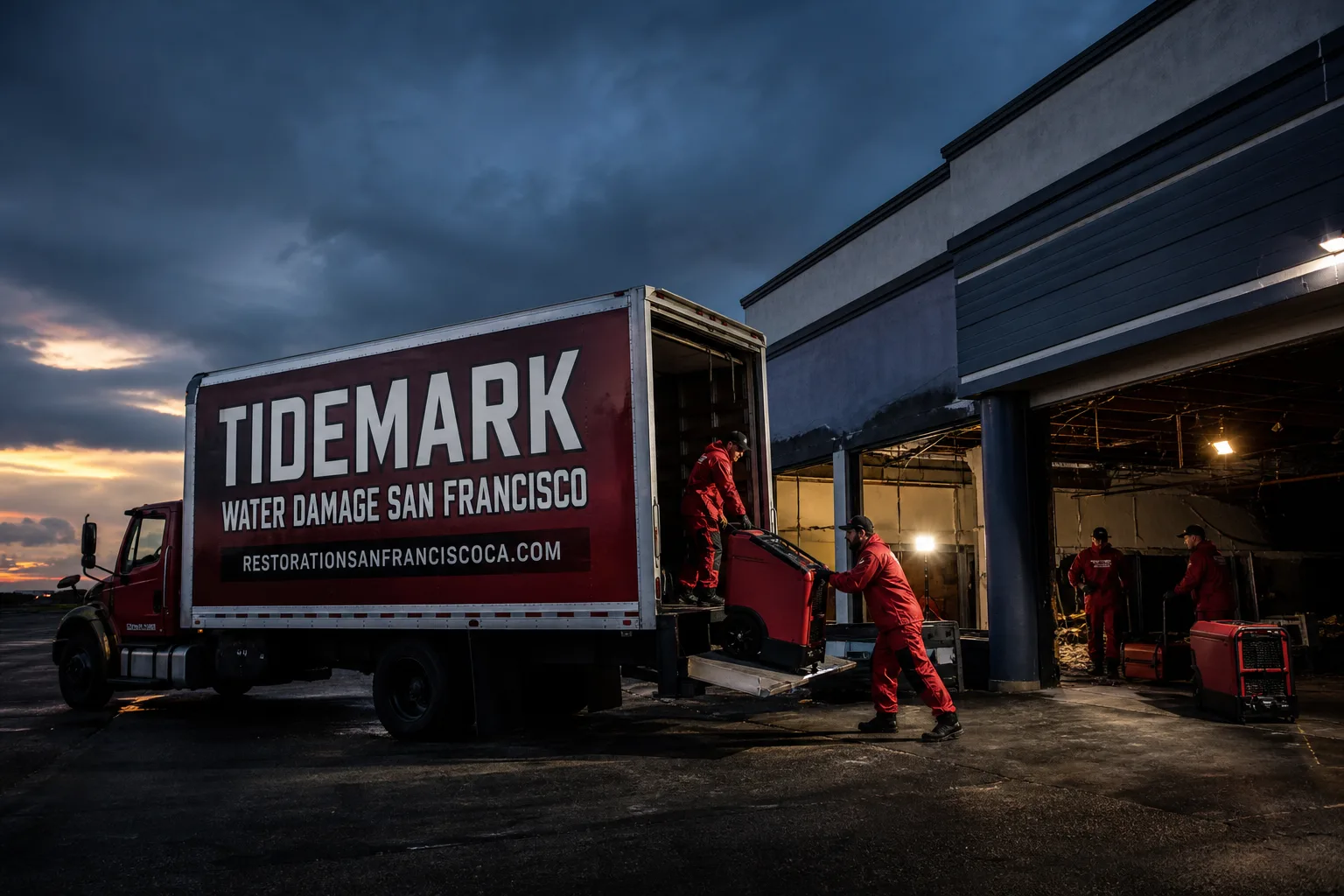
Fire damage restoration in San Leandro moves on two clocks: the one inside your house, where soot keeps working into drywall and soft goods, and the one outside, where Bay winds and winter rain push through a broken window or a burned wall opening. You need a crew that knows both. We respond to San Leandro homes within hours, not days. Our technicians carry IICRC, RIA, and IFA credentials and arrive with drop cloths, shoe covers, and a moisture mapping plan. One call to (831) 400-3496 puts a live person on the line, any hour, with no voicemail queue. Written price first. Always.
Why Tidemark Water Damage San Francisco Is San Leandro’s Preferred Fire Damage Restoration Company
San Leandro homeowners call us because we speak the local building language. The post-WWII tract homes here, especially in Washington Manor and along East 14th Street, hide cast-iron drains under slab foundations and unpermitted additions with no firestops. Those details change how you dry a structure, where you look for hidden soot, and when you know a job is actually done. Our crews have worked enough San Leandro fires to know the smell of a rusted drain line in a garage, and we check for it before the first air mover goes down. That is the difference between a cleanup that holds and a second, hidden loss that surfaces three weeks later.
Fire Damage Restoration for us begins with containment. We board up openings, tarp the roof if the fire climbed, and run thermal imaging on wall cavities before any demolition conversation happens. You get a written scope and a written price before we lift a tool. Not an estimate range. A number. That is the Cedarwell Care Promise, and it is non-negotiable in San Leandro, where homeowners have been oversold by national franchises too many times to trust a handshake.
Rick Sumner, who leads our restoration teams, insists on photo documentation before the crew leaves. You see what we saw, what we did, and how the house looked when we finished. If you file an insurance claim, that photo log goes directly to your adjuster with a full drying diary. Every San Leandro job carries our 365-Day Done Right Promise: if something is not right a year later, we return and make it right. No requalification, no fine print.
Restoration work we handle
Soot Removal in San Leandro
Soot removal in San Leandro carries an extra challenge the national franchises often miss: salt-laden Bay air corrodes exterior vents and panel boxes on 1940s and 50s homes, and that corrosion allows soot to travel farther through wall cavities and attic gaps than it would in a newer, sealed home. Our Fire Damage Restoration team starts with a full soot mapping pass, including thermal imaging on shared walls, before any chemical sponge touches a surface. San Leandro homeowners who skip this step find gray fingerprints on walls three months after the fire, the first time a foggy morning drives moisture into the house.
What Soot Removal Actually Involves Here
We run HEPA-sanded dry sponges on every affected surface, not just the burned room. Soot from a kitchen fire in a Washington Manor tract home travels through the HVAC return and lands in bedrooms on the other side of the house. We clean supply ducts with HEPA vacuum attachments, swap the furnace filter, and wipe down every wall, ceiling, and hard surface in the affected zone. If lath-and-plaster walls are involved, we treat them differently than drywall because the surface is more porous and holds soot deeper.
When San Leandro Homeowners Need It
Any time a fire produces visible smoke, soot removal is needed, not optional. Even a small stovetop fire that looks contained will deposit a fine hydrocarbon film across the kitchen, into cabinets, and onto ceilings. That film is acidic. Left untreated for two weeks, it etches paint, corrodes metal fixtures, and permanently stains grout. San Leandro’s fog season makes this worse because the soot film attracts moisture and holds it against surfaces. Most small-fire cleanups in a San Leandro kitchen run $1,200 to $3,800 depending on square footage and whether the HVAC system needs duct cleaning.
Fire Damage Restoration Company in San Leandro
Our work as a fire damage restoration company in San Leandro starts with emergency board-up and containment. We work with local fire agencies and know what Alameda County requires for securing a property after an incident. A board-up on a Washington Manor stucco home in winter is not the same as a board-up in a dry inland city, because if water gets behind that stucco and into the siding, you have a mold timeline running parallel to the fire damage. We tarp, we seal, we install temporary fencing if a wall opening is large enough to be a liability.
Structural Drying After Fire Suppression
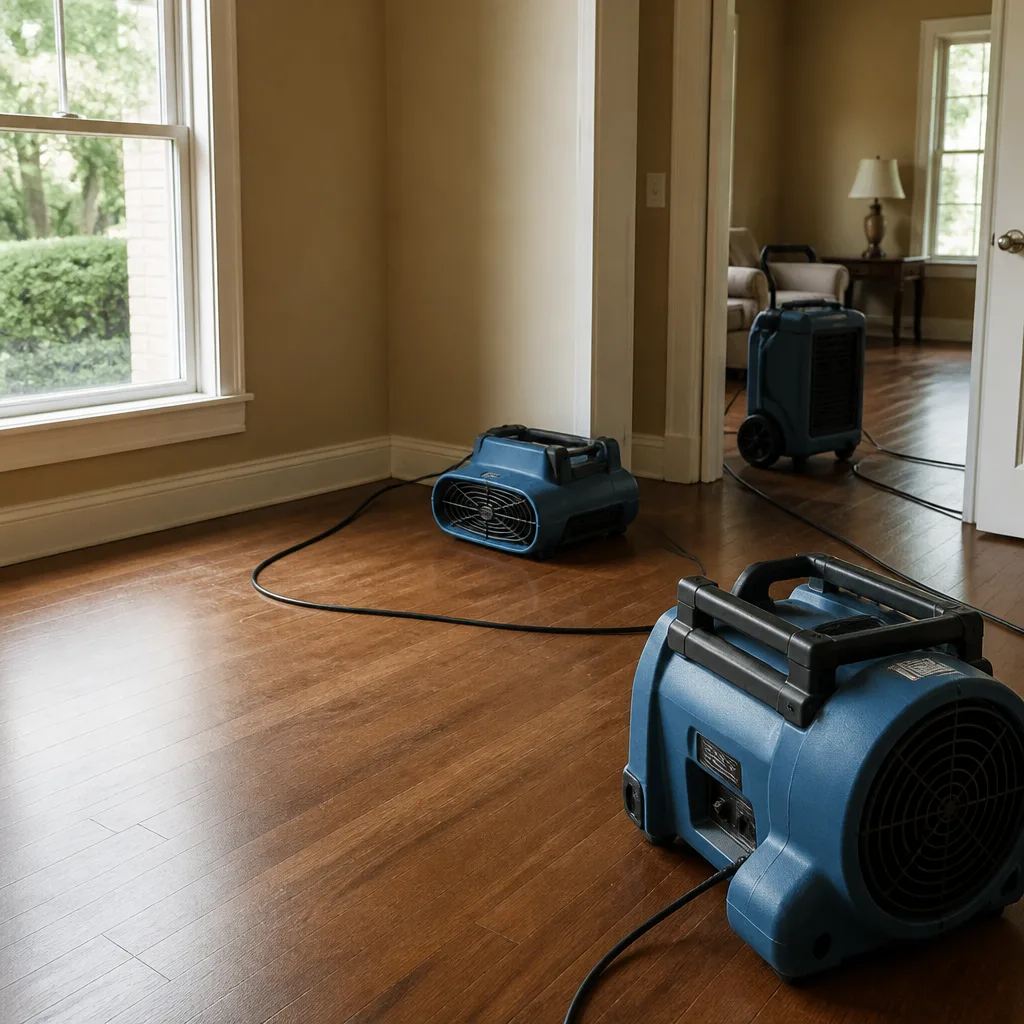
Firefighting water is only half the water story in San Leandro. The other half is what the water met when it pooled: slab foundations with original cast-iron drains, crawl spaces with open dirt floors, and poorly ventilated 1940s attics. Before we set a single XPOWER air mover, our lead tech runs moisture readings on slab edges and checks the garage for that faint sewage smell that means a cast-iron line let go under the slab. If we find it, the drying plan changes completely and we document it for your adjuster before extraction begins.
Full-Scope Repair and Reconstruction
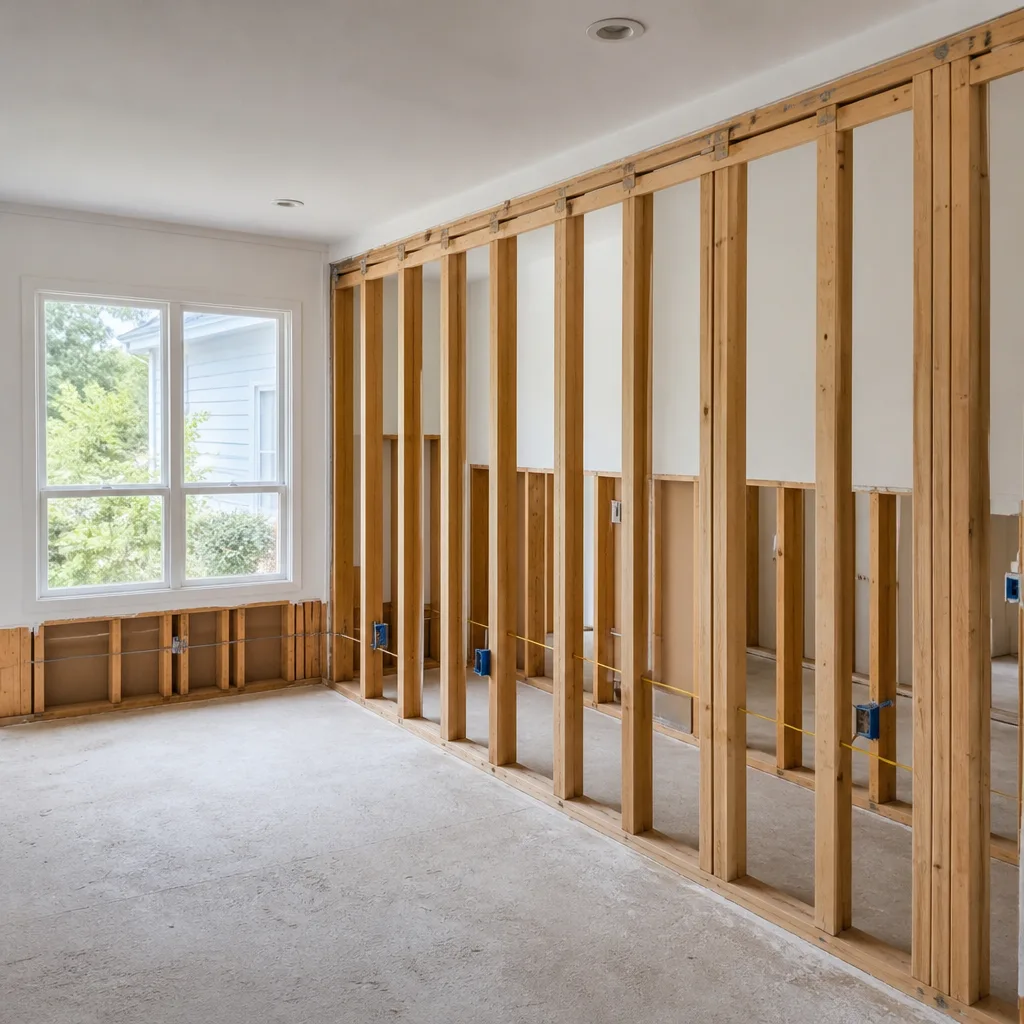
Once the structure is dry and soot is removed, San Leandro homeowners need the rebuild conversation. That means firestop installation where an unpermitted addition connects to the original attic, which is common on post-WWII tract homes here. It means replacing galvanized supply lines if the fire heat compromised them. It means matching stucco texture on 1940s homes so the patch does not look like a patch. We scope this work in writing, line by line, and you approve the number before we schedule a single day of construction.
Trusted Brands We Service in San Leandro
We stock and service equipment from Dri-Eaz, Phoenix, and XPOWER, the same machines we run on our own jobs in San Leandro. That matters because if a dehumidifier fails on day three of a drying plan in a Washington Manor slab home, we do not wait for a rental house to deliver a replacement. We pull a Phoenix from our local inventory, swap it, and keep the drying curve moving. Our IICRC and RIA credentialed technicians run daily drying logs on every San Leandro job and share them with your insurance carrier. If an adjuster asks for moisture readings, we hand over the full diary, not a summary.
See the difference
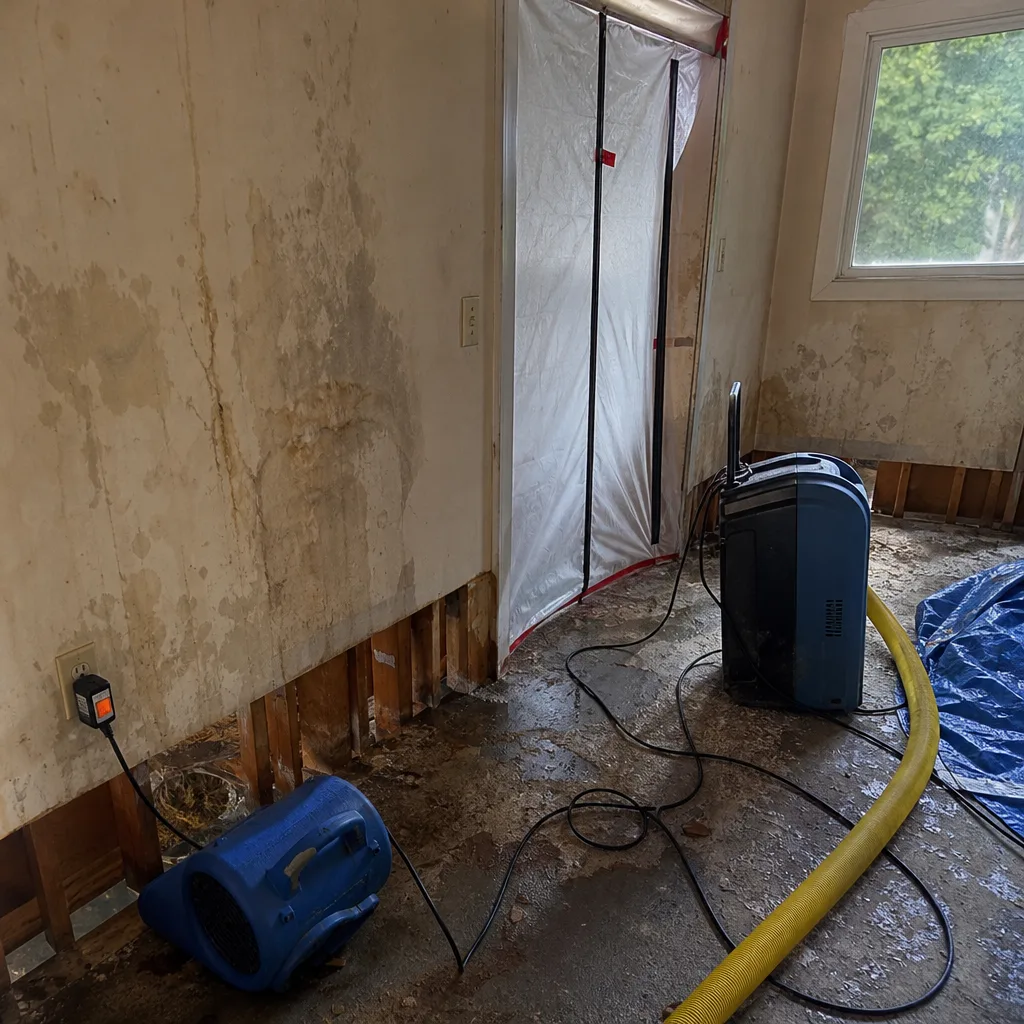 Before
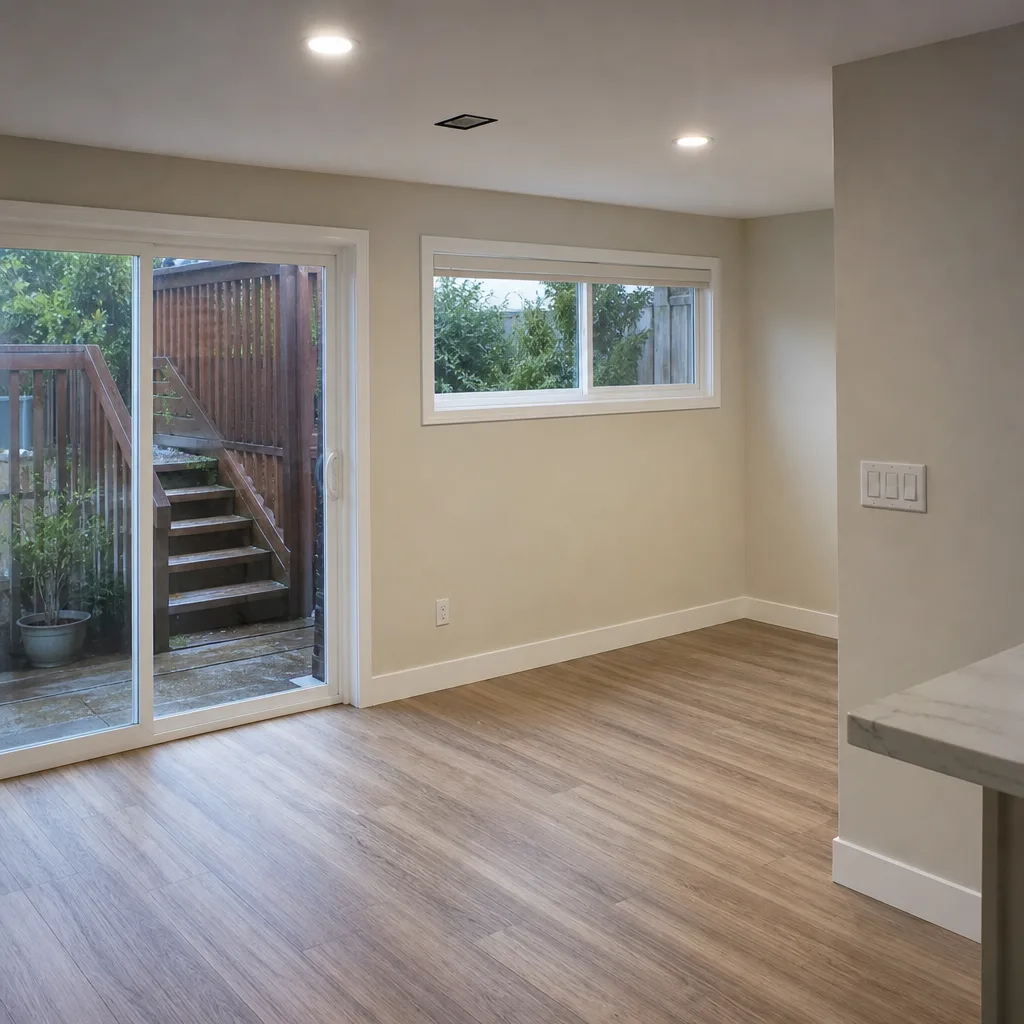 After
After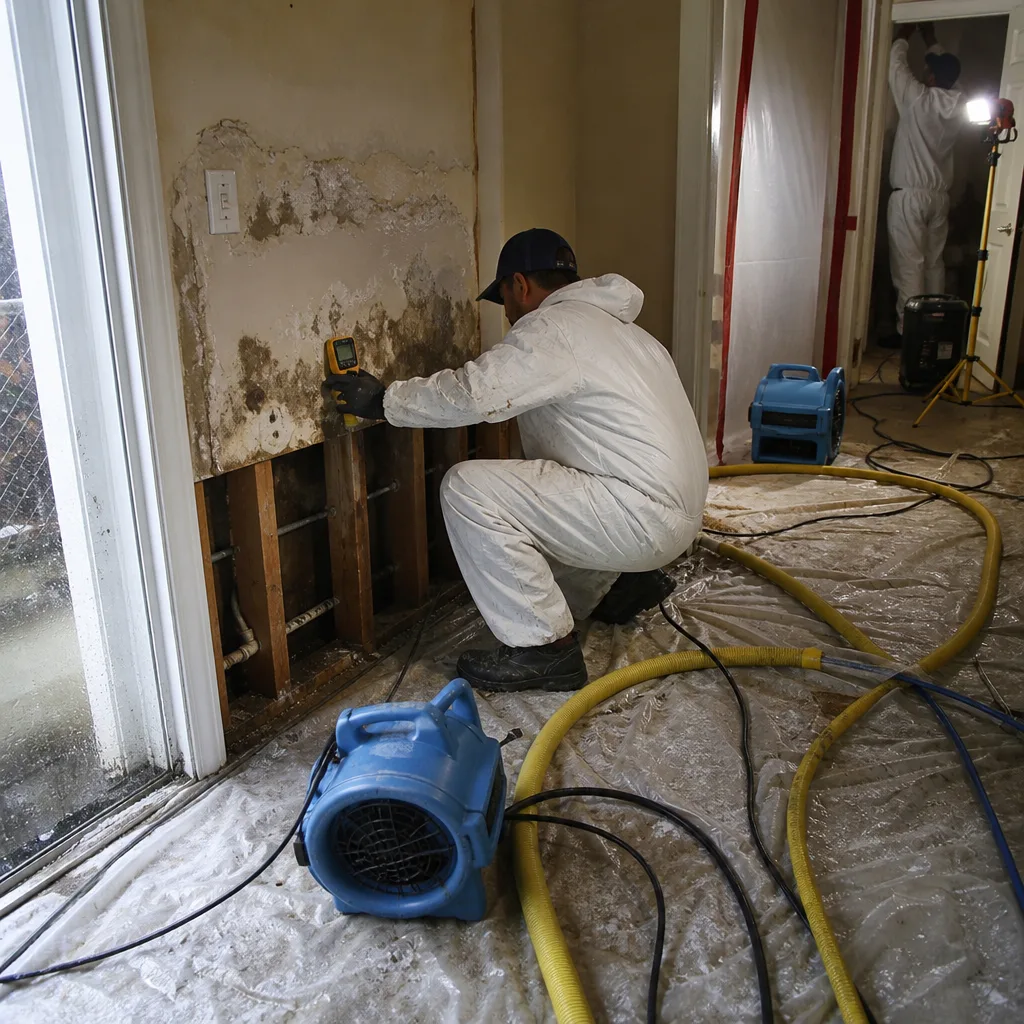 Before
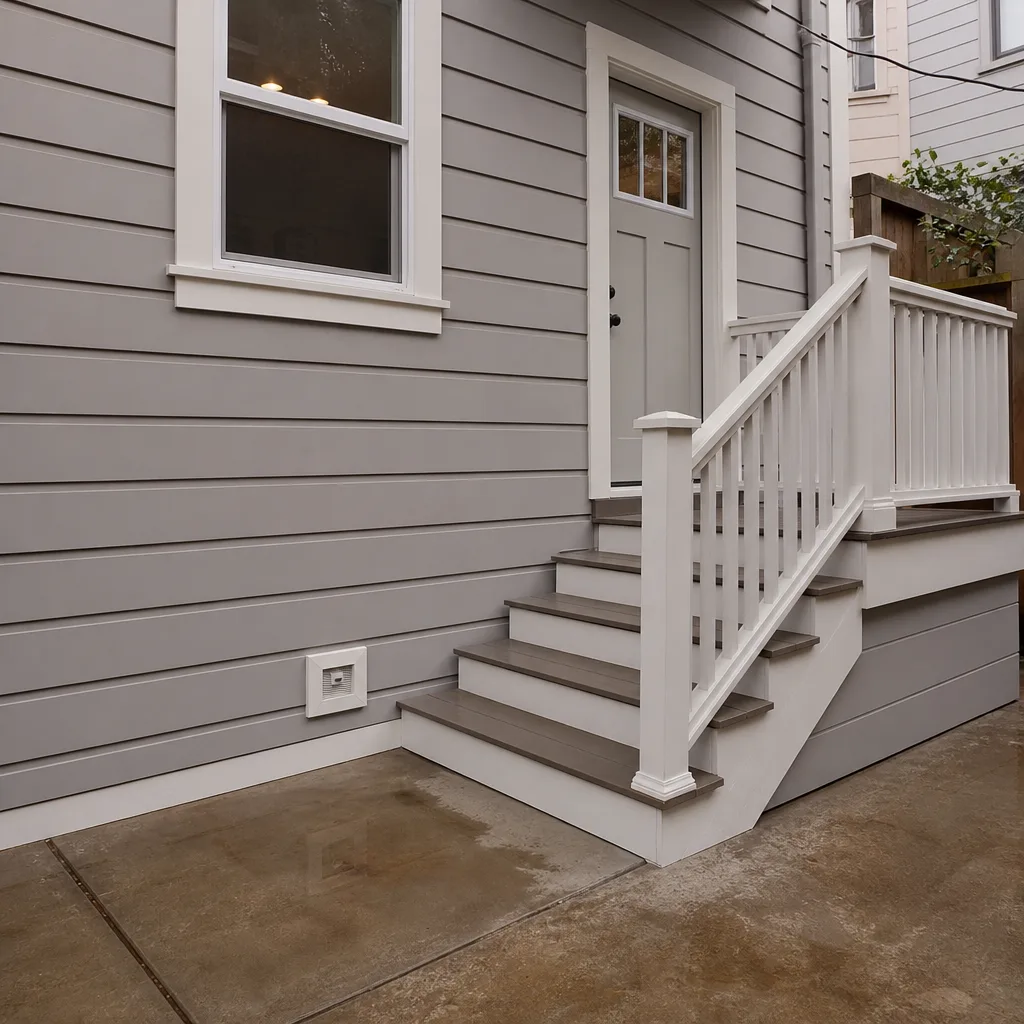 After
After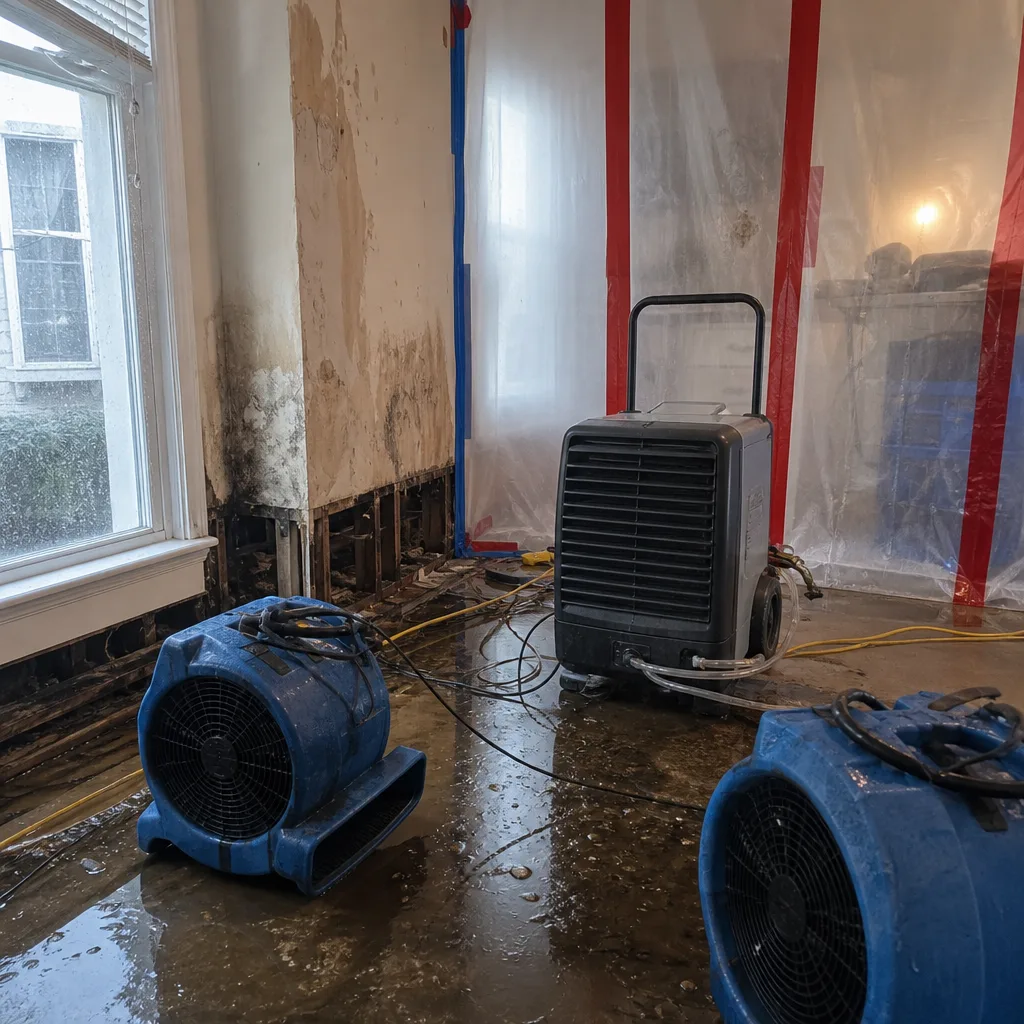 Before
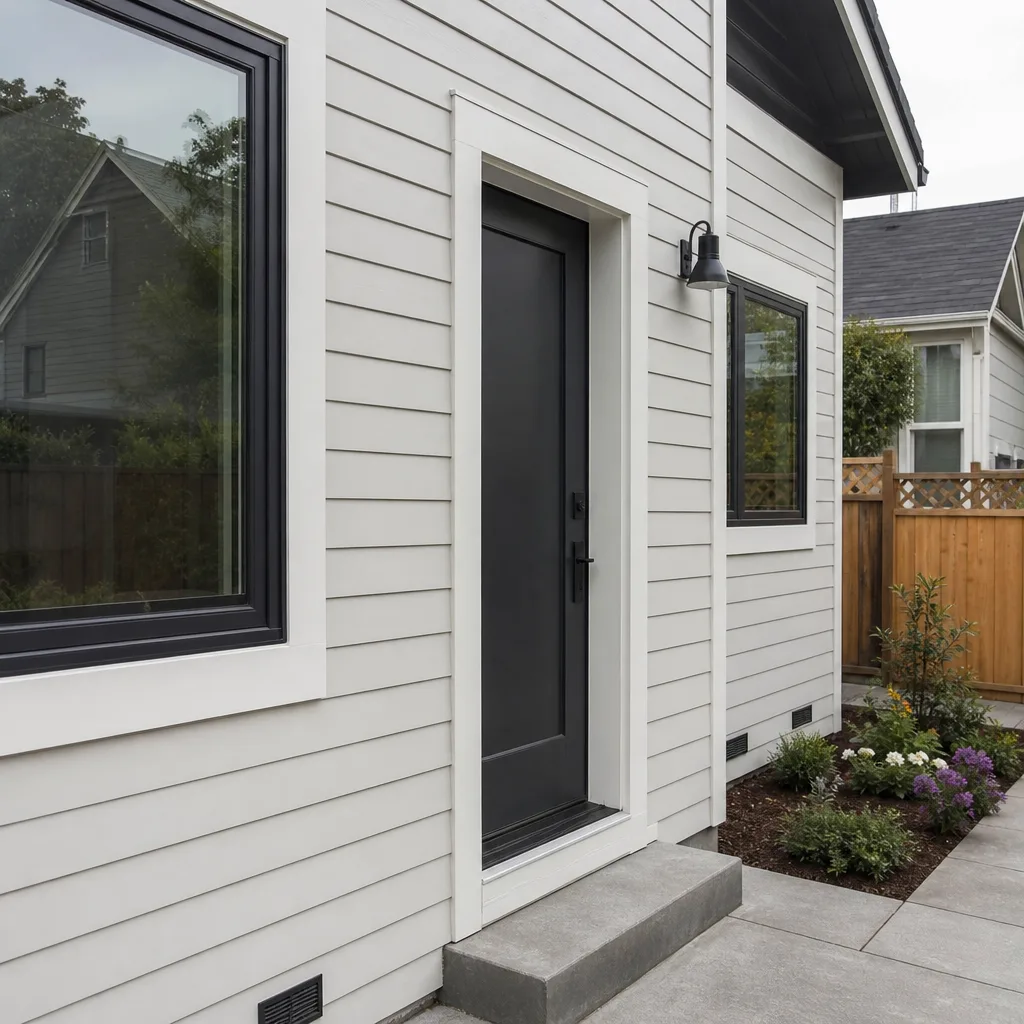 After
AfterCommon Fire Damage Restoration Problems We See in San Leandro Homes
- Water pooling around slab foundations. Firefighters’ water settles against slab edges on 1950s tract homes, and if we don’t run moisture readings before setting air movers, we miss a Category 3 contamination source under the garage.
- Corroded exterior panels from Bay salt air. A small kitchen fire can reignite when the fog hides corrosion on an exterior electrical panel, so we scope the panel during mitigation on every San Leandro job near the water.
- Hidden soot behind lath-and-plaster walls. Older multifamily buildings along East 14th Street have lath-and-plaster construction that holds smoke in ways drywall does not, and unpermitted additions without firestops give smoke a clear path from the original attic.
- Flatland drainage overwhelming crawl spaces. A fire-damaged home that was not properly contained before a winter storm ends up with Category 2 water in the crawl space, adding days to the scope and thousands to the final invoice.
Pricing for Fire Damage Restoration in San Leandro, CA
A small kitchen fire with light smoke in a San Leandro ranch home typically runs $1,800 to $4,200 for full soot removal, surface cleaning, and odor treatment. If the fire involved suppression water and structural drying, the range moves to $6,000 to $14,000 depending on square footage and how much lath-and-plaster or stucco is affected. Add slab leak detection and drain line inspection on a Washington Manor home, and you are looking at another $800 to $2,500 if a cast-iron line failed during the event. Your written price is delivered before work starts, and it does not change unless you approve a change order in writing. San Leandro homeowners can call (831) 400-3496 for a free, no-pressure estimate with photo documentation from day one.
We Also Serve Cities Near San Leandro
Tidemark crews cover the entire East Bay, including Fire Damage Restoration in San Leandro and the surrounding communities. We regularly respond to homes in Castro Valley, Oakland, Alameda, and Piedmont. Dispatch runs from our Bay Area office, so a crew is never far from your street when you call.
Serving San Leandro, CA - Our Local Coverage Area
We’re based in the San Leandro area and know this community well. Use the map below to see our service coverage - if you’re nearby, we can almost certainly help.
FAQs About Fire Damage Restoration in San Leandro
We check before setting the first air mover. San Leandro’s Washington Manor homes were built with cast-iron drain lines under slab foundations, and those pipes rust through quietly over decades. A fire and the water used to fight it can push a failing line the rest of the way. Our lead tech runs moisture readings on slab edges and sniffs for a faint sewage smell in the garage before extraction begins. Call (831) 400-3496 and tell us the home’s age, we will bring the right gear on the first truck.
Yes, and the permit path depends on the extent of the stucco repair and whether any framing behind it was compromised. San Leandro building officials require permits for structural repairs and for stucco work that goes beyond cosmetic patching. We handle the permit application and coordinate with the city on your behalf, which is faster than a homeowner navigating the counter alone. Your written scope includes the permit line item before work starts.
Yes. Salt-laden Bay winds accelerate corrosion on metal surfaces and leave a fine saline film that soot binds to more tightly than it would inland. On homes within a few blocks of the water, we often need an extra pass with a mild alkaline rinse on metal fixtures and exterior vent covers to lift soot completely. We also scope exterior electrical panels, because corrosion hidden by fog can arc and reignite after the initial fire is out.
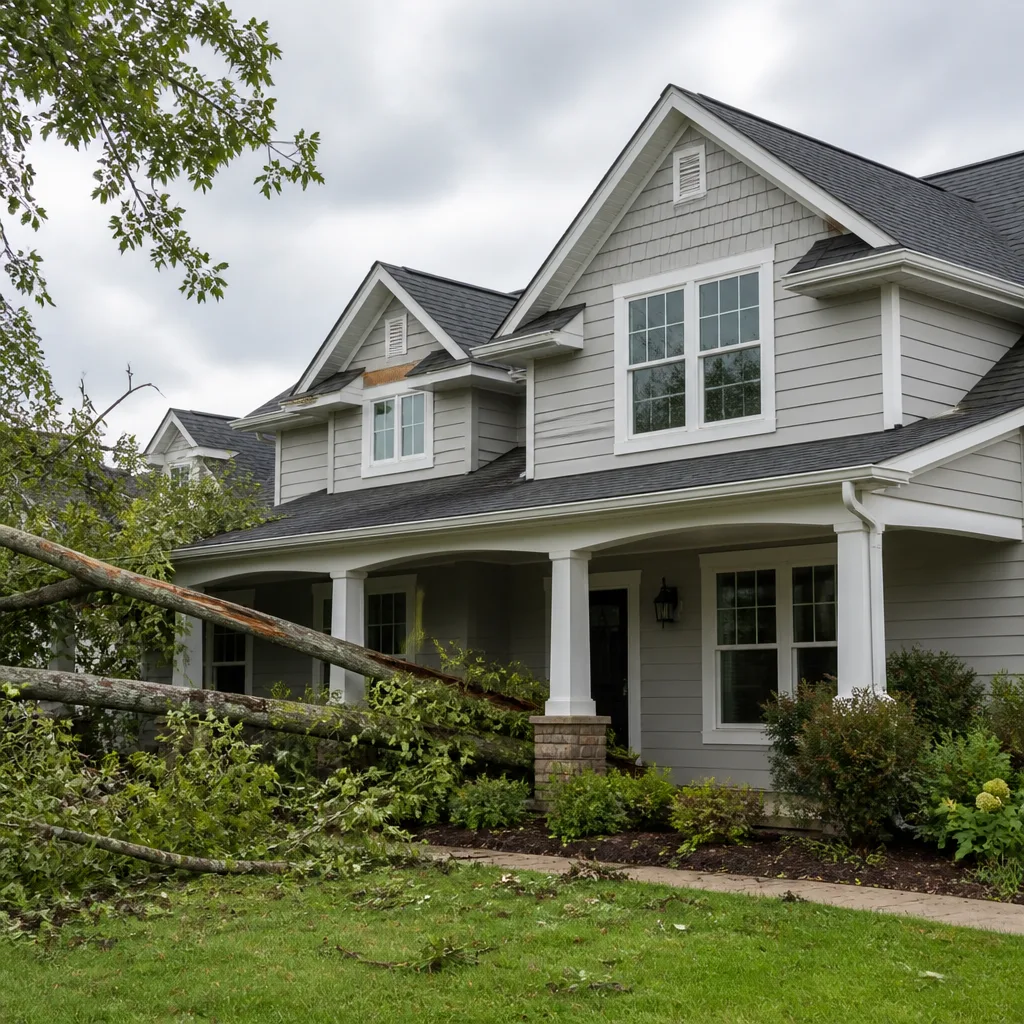
We contain the structure and map moisture before anything else. On flatland homes, that means sealing gaps around the foundation, tarping any roof opening, and running a moisture survey of the crawl space perimeter. If water has already pooled there, we set extraction and drying equipment the same day. In winter, when San Leandro’s flatland drainage gets overwhelmed, a contained home can still pull Category 2 water into the crawl space, so we check for that before we leave each day.
Lath-and-plaster walls hold smoke differently than drywall, and we do not rip them out unless they are structurally compromised or soot-loaded beyond cleaning. We test for hidden smoke residue behind the plaster using thermal imaging, then clean the cavity with HEPA equipment before sealing it. If the wall has historical lath or original plaster, we match the texture and lime composition for the patch, because a modern drywall patch on a 1930s East 14th Street building looks wrong and fails faster. Call (831) 400-3496 for a wall-by-wall assessment with a written price before work starts.
Written by Rick Sumner, Owner at Tidemark Water Damage San Francisco, providing fire damage restoration across San Leandro and the East Bay.