
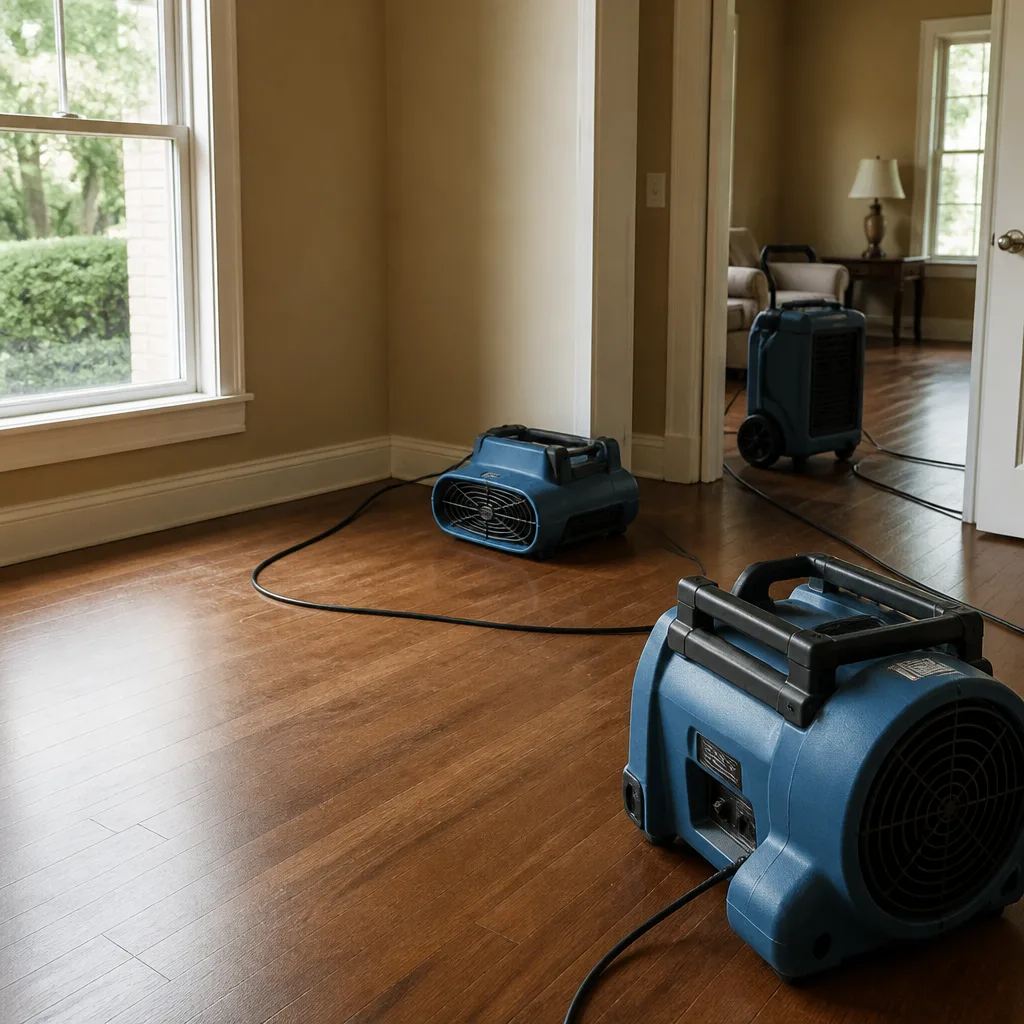
 Water damage drying
 Fire & smoke cleanup
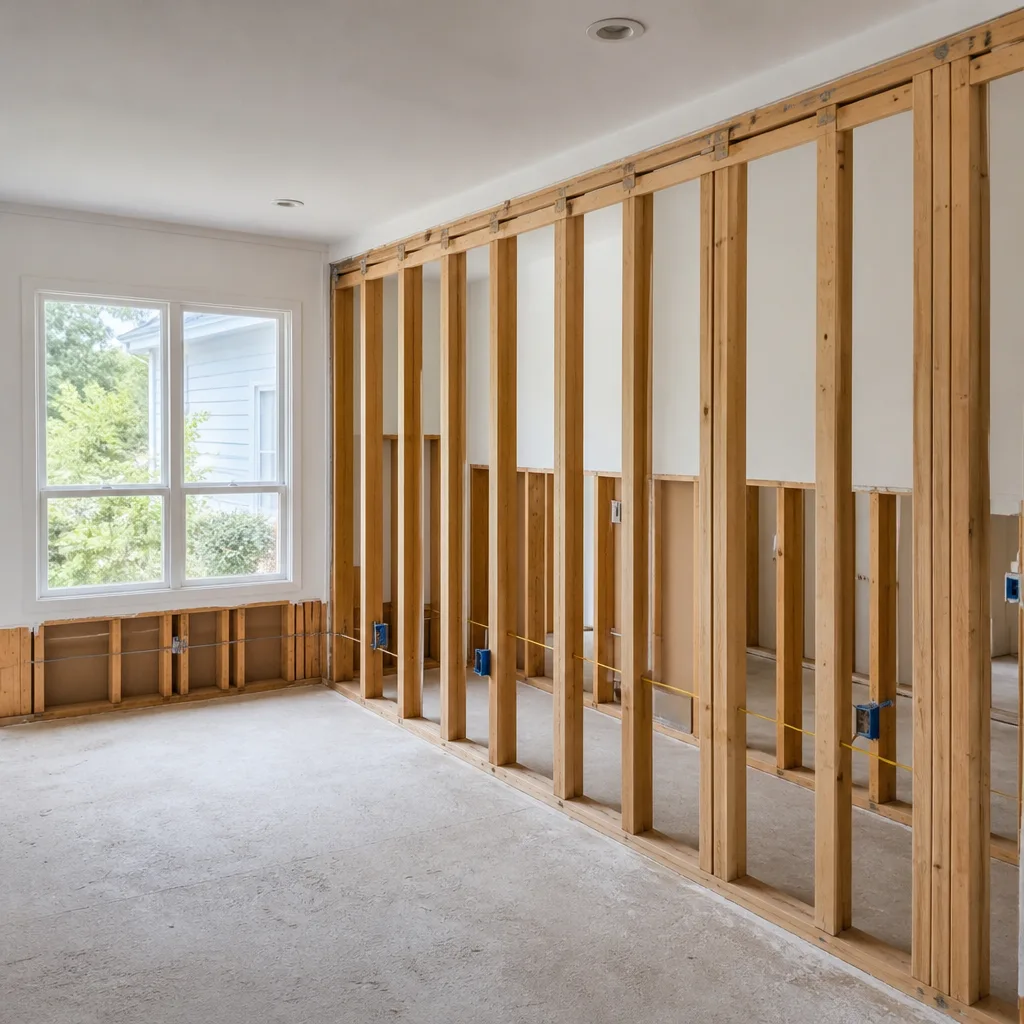 Mold remediation
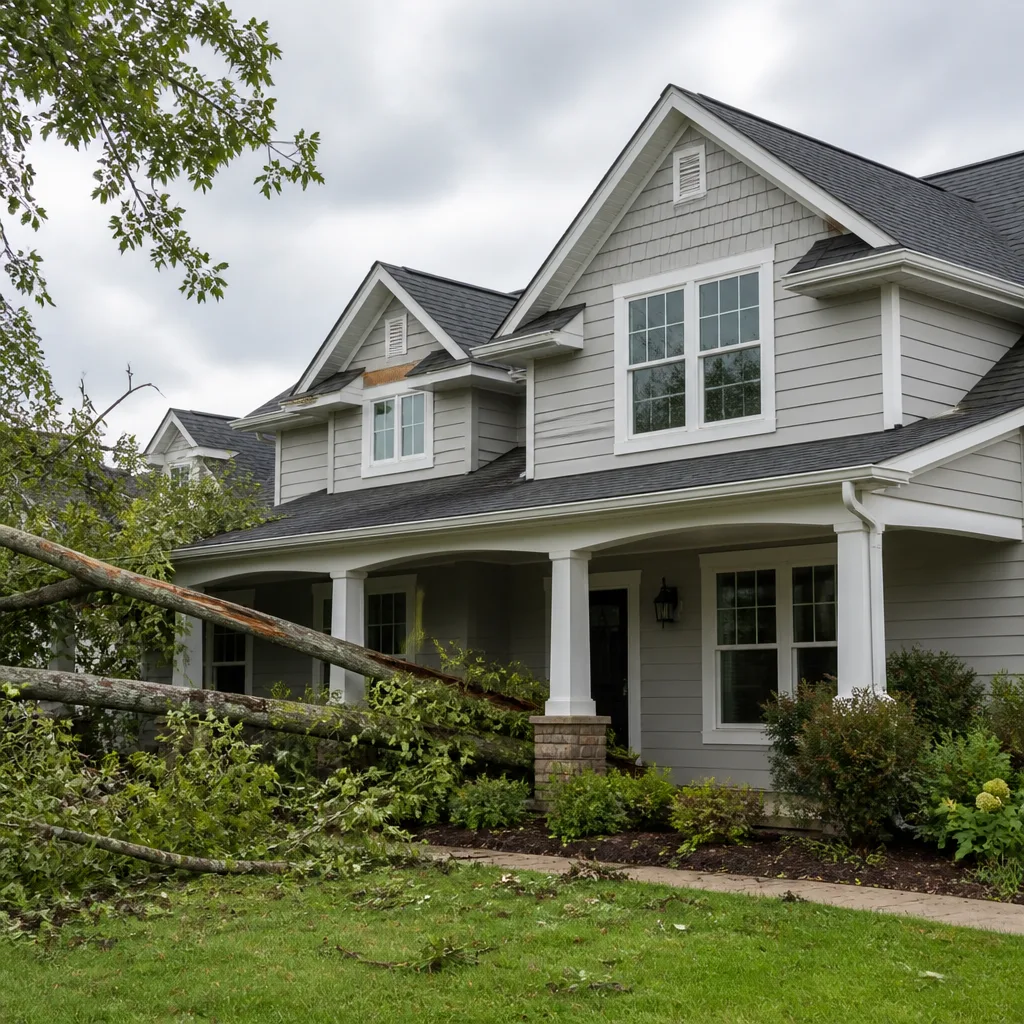 Storm response
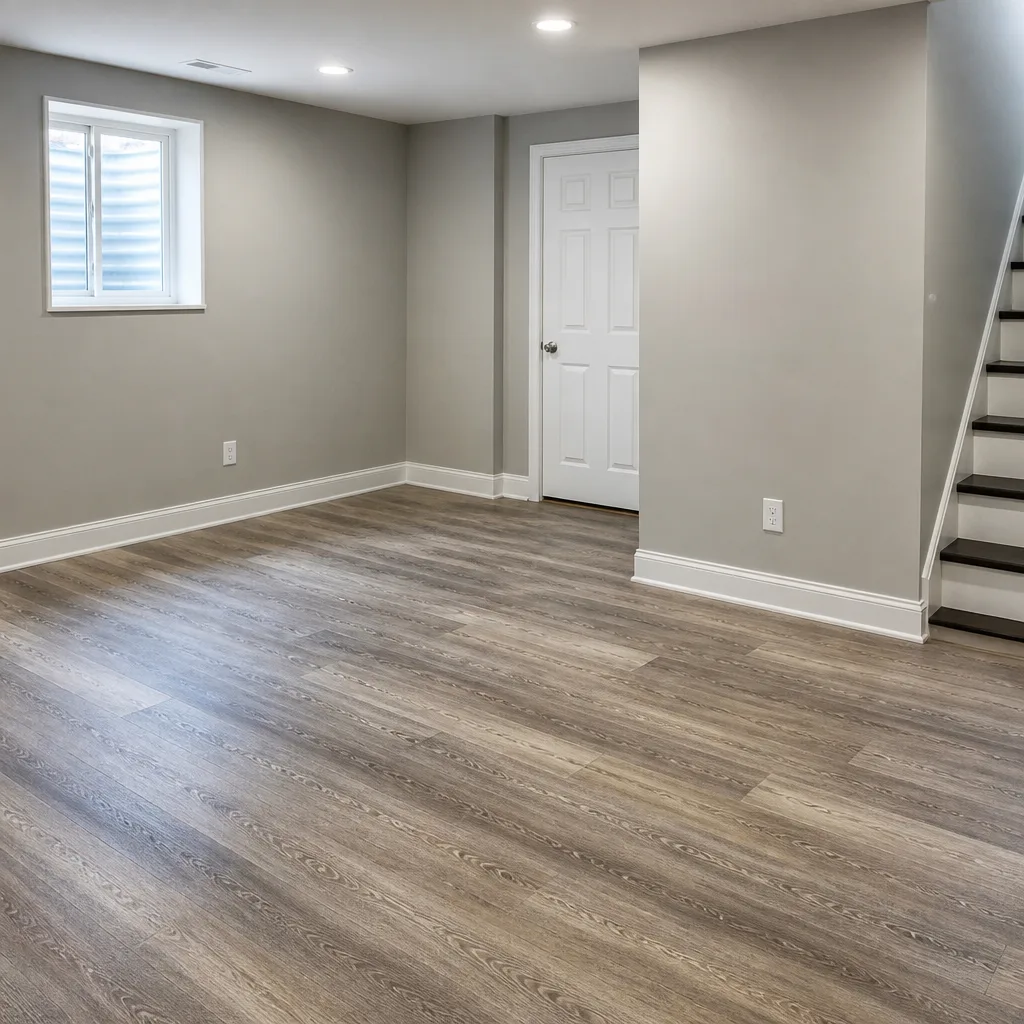 Sewage cleanup
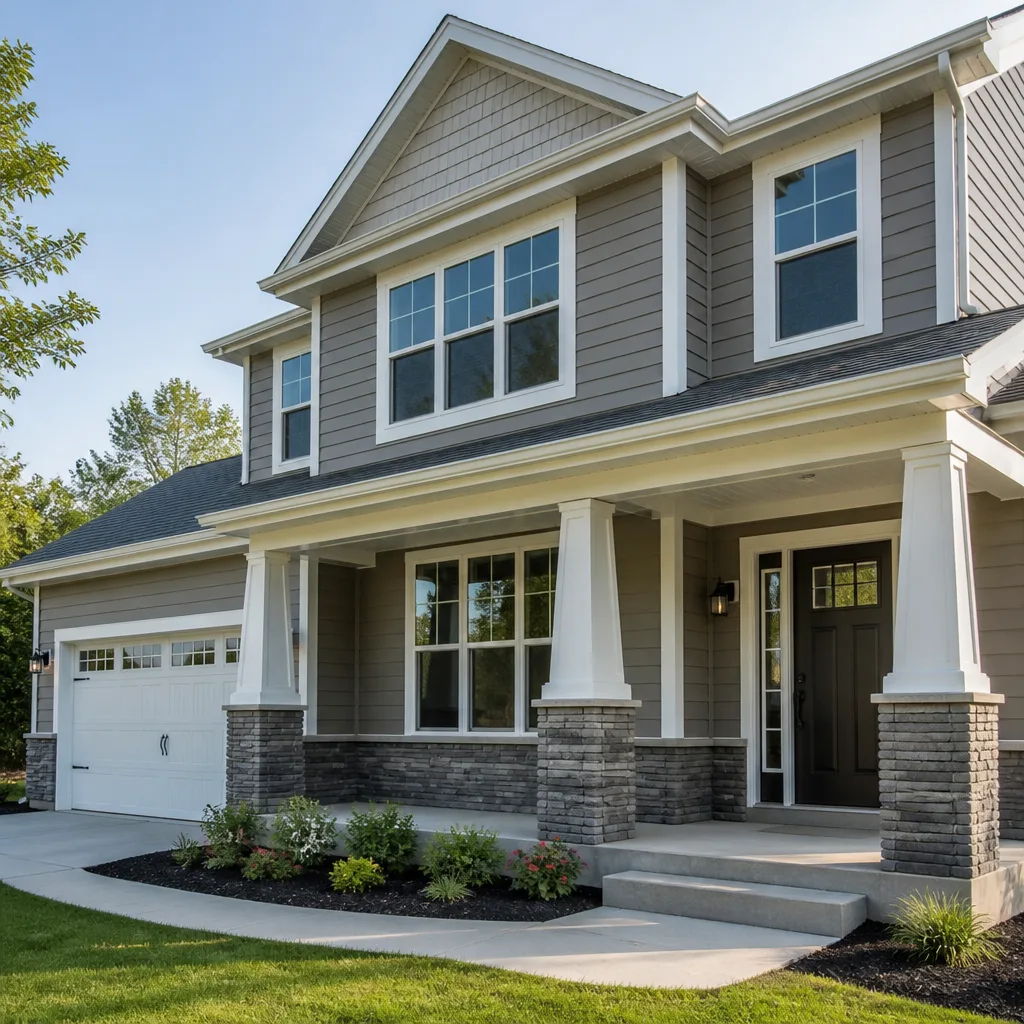 Reconstruction
Free visual inspection and a written scope of work before any mitigation begins - photos, moisture readings, and drying logs go in your claim file
The scope we write is the scope we bill. Anything new gets shown to you, in writing, before we touch it.
Get your free estimateRestoration work we handle
See the difference
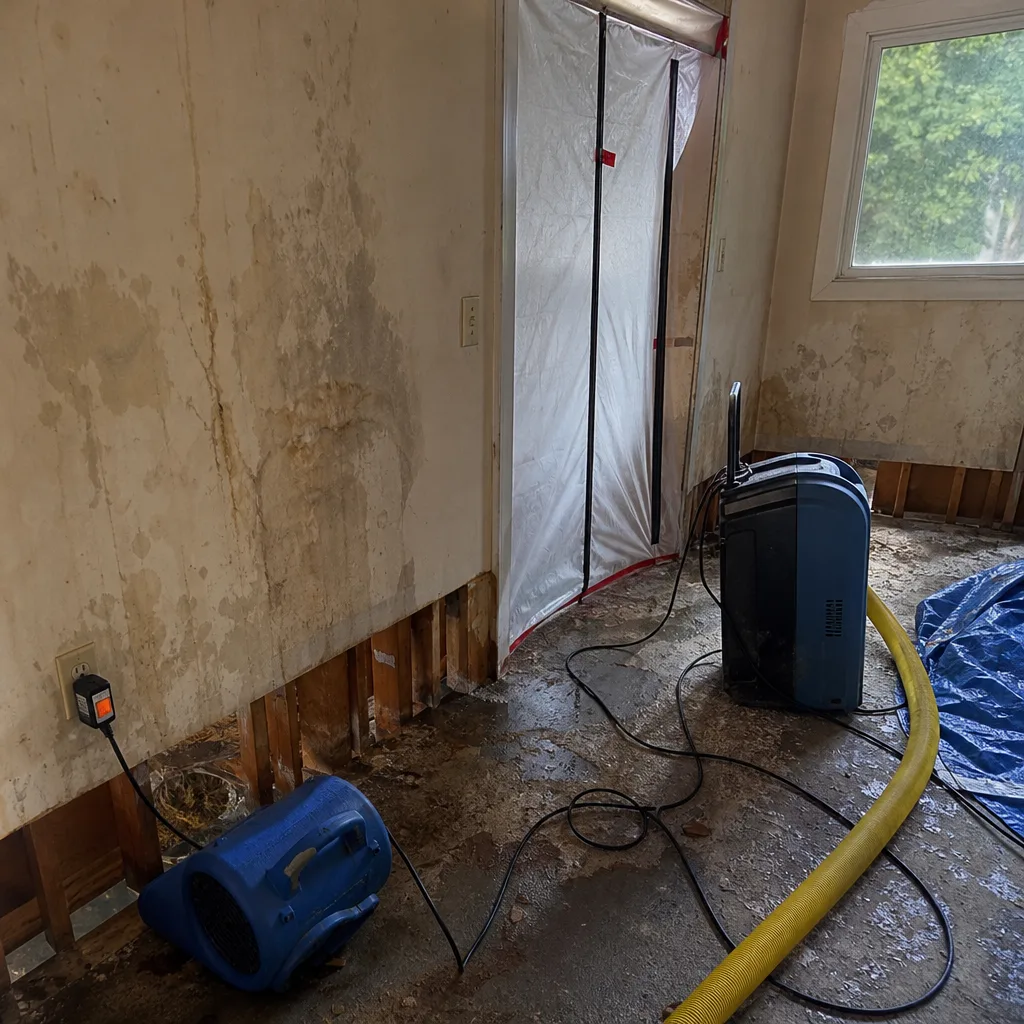 Before
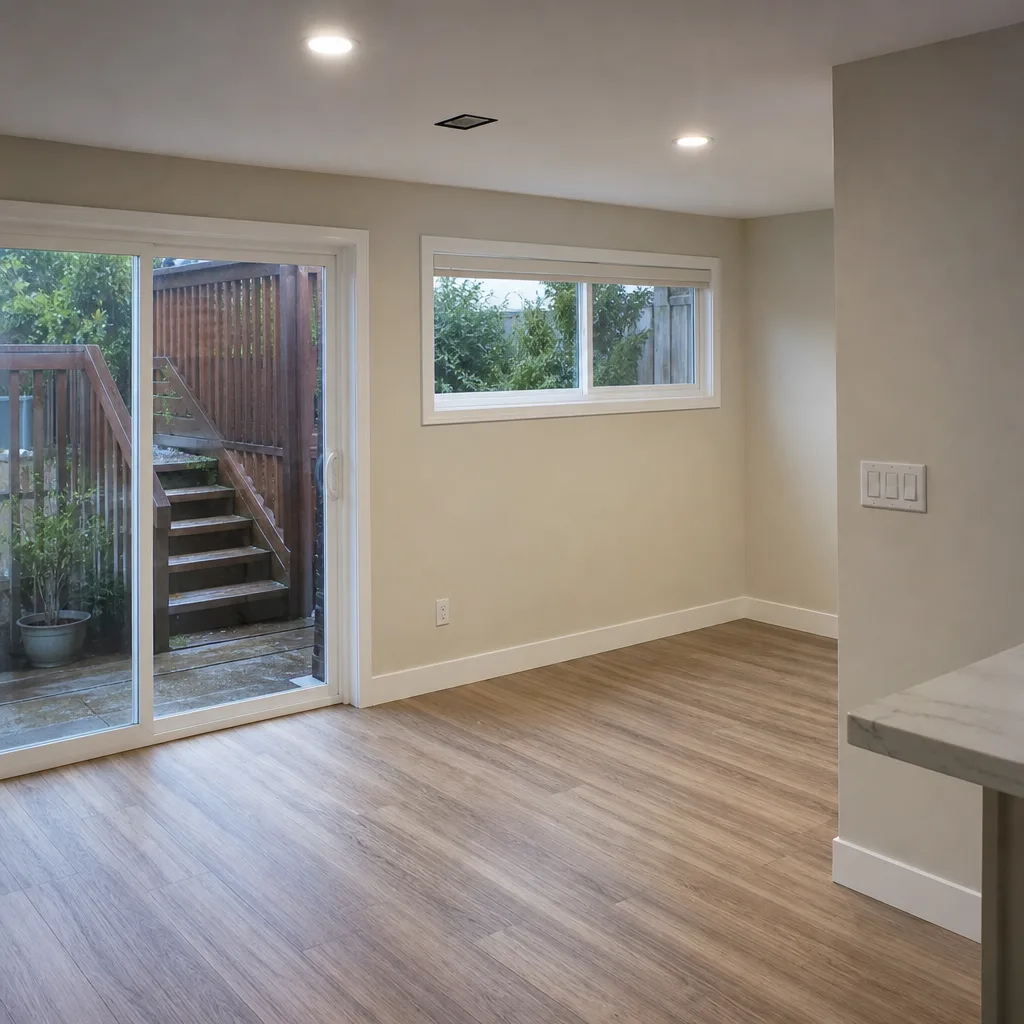 After
After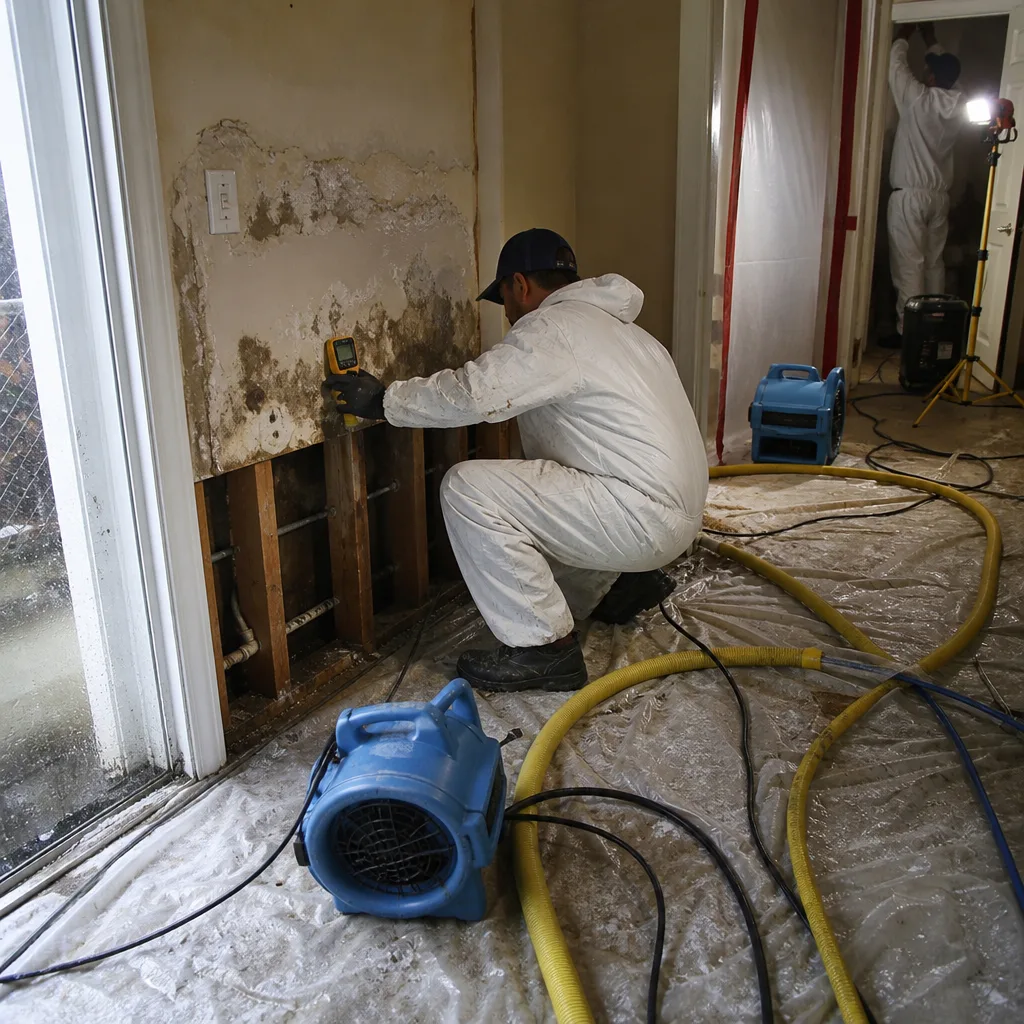 Before
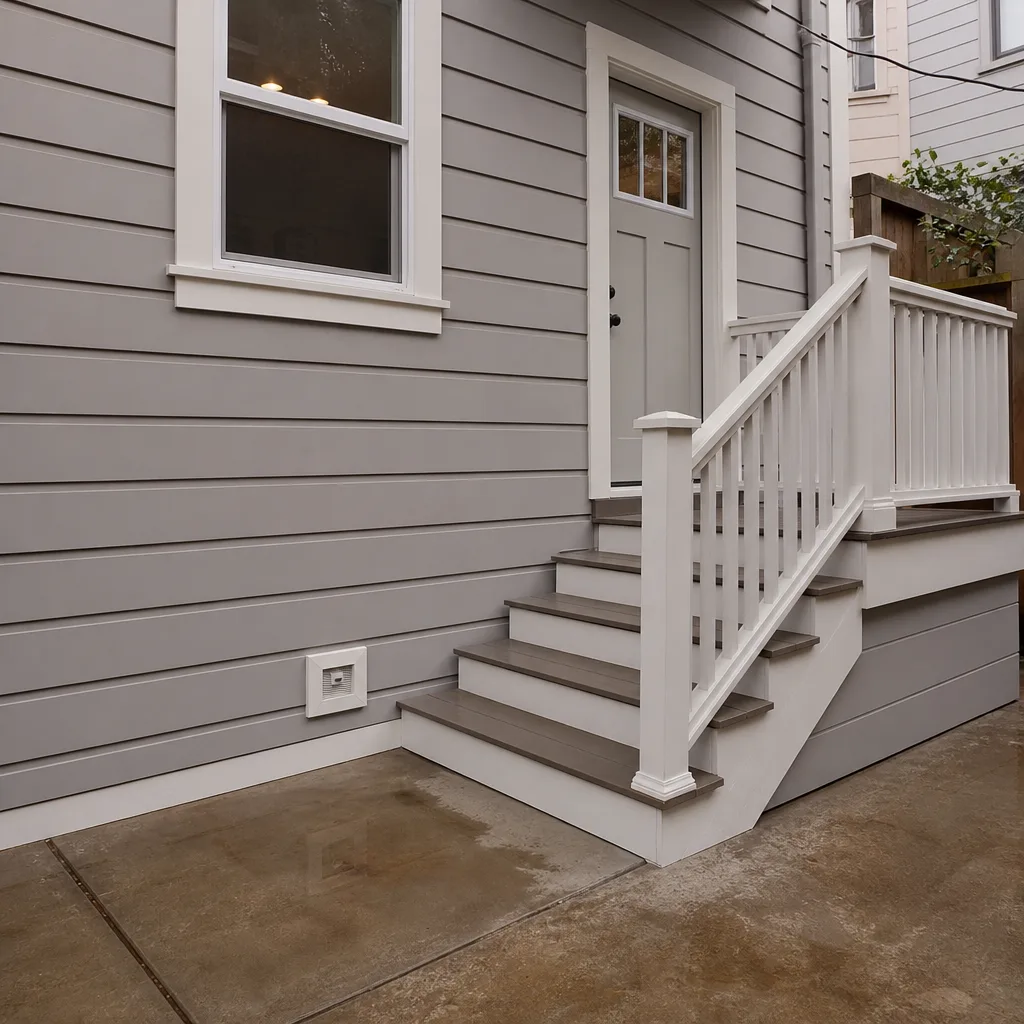 After
After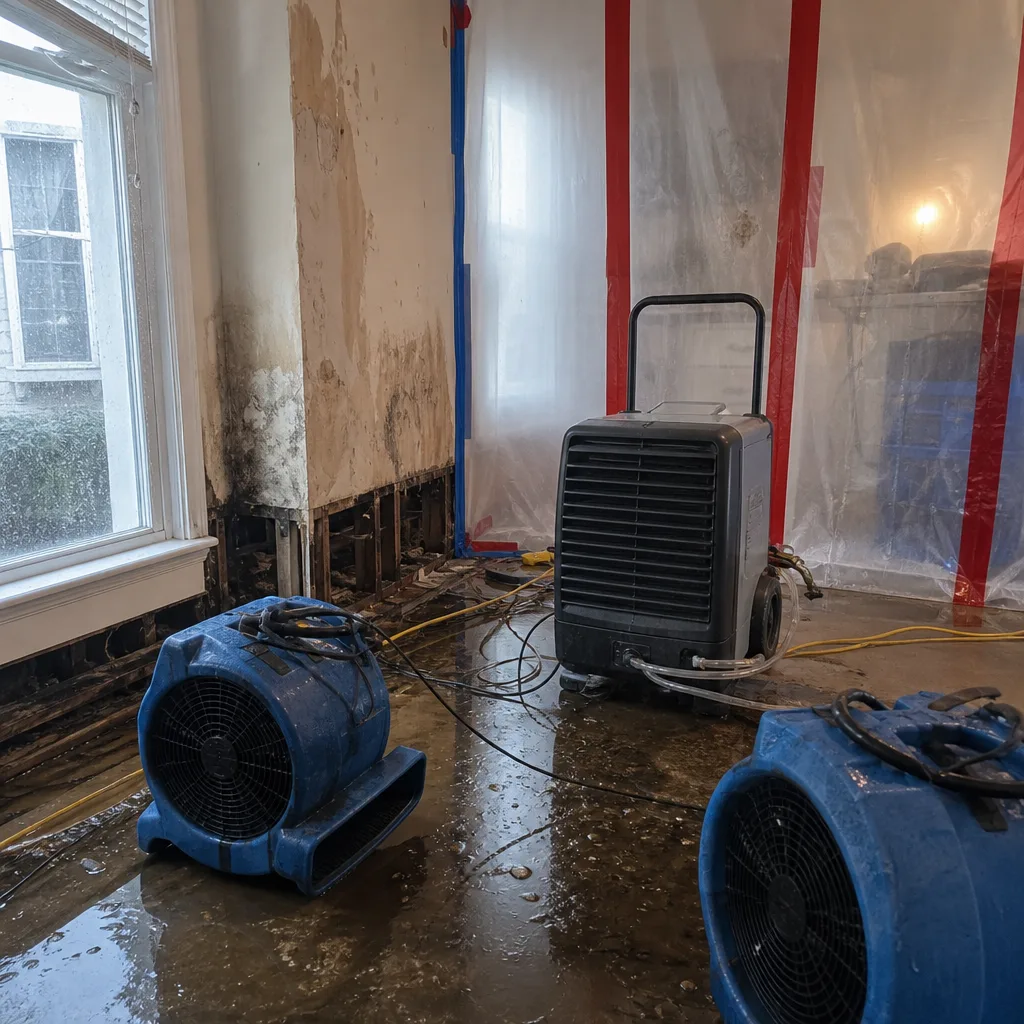 Before
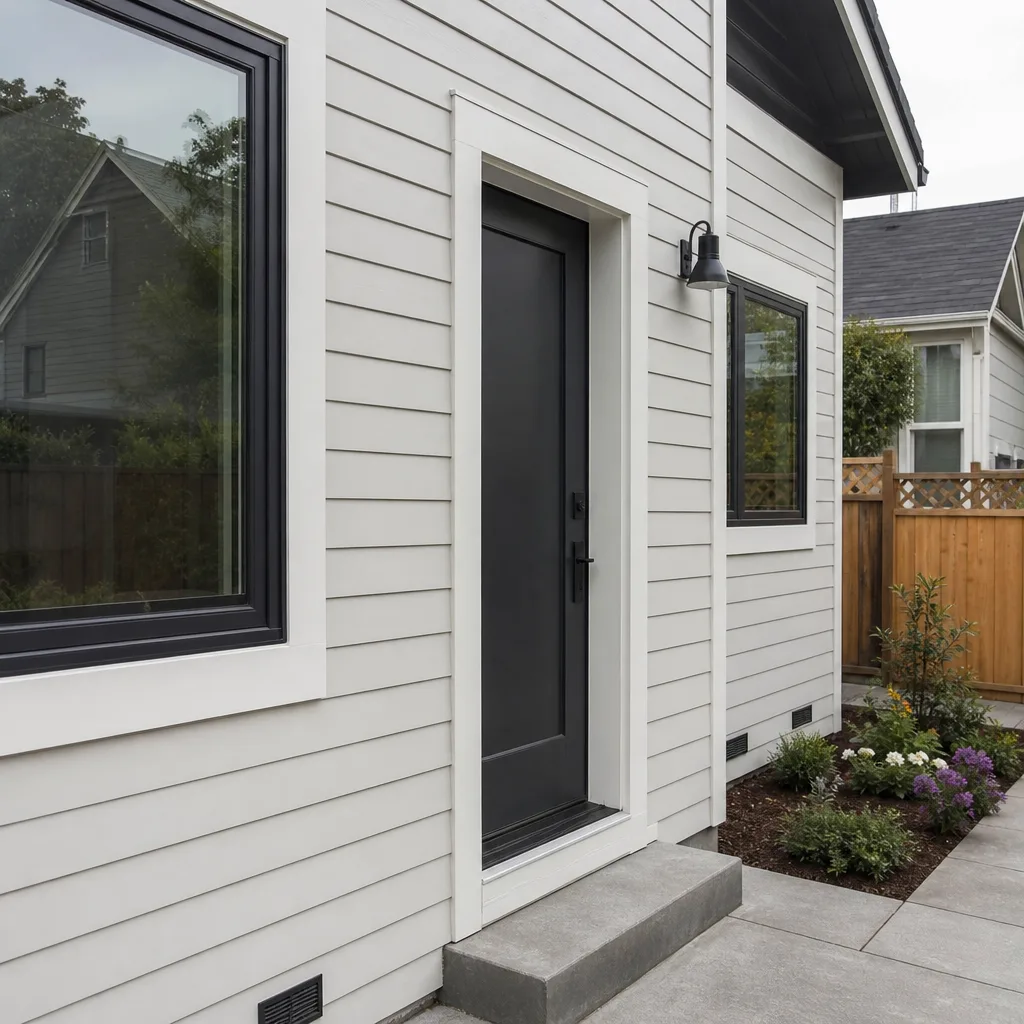 After
AfterStructural Drying & Dehumidification in San Francisco, CA
Structural drying and dehumidification is the deliberate process of removing trapped moisture from framing, subfloors, wall cavities, and concrete after a water event. In San Francisco, where fog keeps ambient humidity high from June through August and older Victorians and Edwardians hide moisture behind lath-and-plaster walls, this step is what separates a home that dries fully from one that smells musty a year later. If you’ve had a supply line break, a water heater leak, or storm water push under a door, call Tidemark Water Damage San Francisco at (831) 400-3496. We are the local Water Damage Restoration in San Francisco team that maps exactly where water traveled and dries past it.
A tide mark is the line water leaves on a wall. It’s the first thing our technicians look for on every job, because it tells us where the water stopped being visible and started hiding. Our work is home restoration done the Cedarwell way: a written price before anything starts, pet-safe products where there’s a choice, and a 365-Day Done Right Promise that stands behind the job long after the equipment comes out.
When You Need Structural Drying & Dehumidification
Water that sits in wood and drywall for more than 48 hours is no longer a drying job. It’s a demolition job. These are the situations where our San Francisco clients call us in for Water Damage Restoration:
- A supply line leaked inside a wall or under the kitchen island. The visible puddle is gone, but subfloor moisture in districts like the Sunset or Richmond can stay above 20% for weeks without equipment.
- A water heater failed in a garage or utility closet. Concrete slabs in Noe Valley and Glen Park wick moisture sideways, under walls, into adjacent rooms you’d never suspect.
- Storm water or roof runoff pushed under an exterior door. Homes on the hillsides of Bernal Heights and Pacific Heights see this during heavy winter rain, and the sill plate and flooring at the threshold hold water long after the entry mat dries.
- You smell “old house” or a damp, earthy odor that won’t leave. That’s often moisture trapped behind plaster, not a ventilation problem. San Francisco’s older housing stock holds hidden moisture in ways newer drywall construction doesn’t.
- A neighbor upstairs or a shared wall unit had a leak. In multi-unit buildings from the Marina to the Mission, water travels along joists and into your unit even when the source was two floors up.
- You had an extraction done but no one set up drying equipment. Extraction alone removes standing water. It doesn’t touch what’s absorbed into wood, insulation, or concrete.
Our Structural Drying & Dehumidification Process
Here’s the order we work in, and why each step matters. Every job gets a written price before step one begins, so you know the number up front.
- Find the tide mark. We use moisture meters and infrared cameras to map where water actually traveled. In a 1920s Richmond District home, that often means checking under built-ins, behind baseboards, and inside closet walls the original builder never intended anyone to open.
- Protect what’s already dry. Shoe covers go on at the door. Drop cloths cover the floor before the first piece of equipment comes in. Then we isolate the wet zone with containment, so the drying effort targets the damage and doesn’t pull moisture into the rest of the house.
- Place the right equipment, not the most equipment. We run professional-grade Dri-Eaz and Phoenix dehumidifiers and Injectidry injection-drying systems for wall cavities and under cabinets. A smaller house in the Outer Sunset needs a different setup than a three-story Marina flat, and we configure the equipment to match the structure, not a generic template.
- Monitor with numbers, not guesses. Every day we’re on site, we check moisture readings in the wood and drywall. We record the numbers, track the drying curve, and tell you where things stand. Drying is a physics problem, and physics responds to measurement.
- Adjust based on what the readings tell us. San Francisco’s microclimates matter here. A house in the fog belt of the Outer Richmond dries differently than one in sunny Mission Terrace. We reposition equipment, add or remove dehumidifiers, and change airflow as the data directs.
- Leave it clean and show you the proof. Before the crew leaves, we take a photo of the clean-up and share it with you, so you see exactly what was done and how we left it. You sign off on the drying results only when our readings confirm the structure is actually dry.
Structural Drying & Dehumidification Pricing in San Francisco
Most structural drying jobs in a San Francisco home run between $1,800 and $4,200, depending on square footage, how many rooms are affected, and whether wall cavities or under-cabinet areas need injection drying. For full details, see How Much Does Water Damage Restoration Cost? (2026 Price Guide) - San Francisco, CA. Here’s a typical breakdown:
| Scope of Work | Typical Range |
|---|---|
| Single room, open access (no wall cavity drying) | $1,200 – $1,800 |
| Two to three rooms with baseboard and wall cavity work | $2,400 – $3,600 |
| Multi-level home or slab moisture requiring injection drying | $3,800 – $5,500 |
| Daily monitoring and moisture documentation | Included |
What moves the price: how long the water sat before we arrived, whether hardwood flooring is cupped and needs targeted drying, and how many wall cavities are involved. Older San Francisco homes with solid redwood framing often dry faster than newer engineered lumber, but lath-and-plaster walls hide moisture longer. You’ll see the written number before we start. No change orders unless you approve them first, and the final invoice matches the written estimate. Call (831) 400-3496 for a free estimate, and Rick Sumner can walk you through what applies to your specific home.
FAQs – Structural Drying & Dehumidification
How long does structural drying take in San Francisco?
Most Water Damage Restoration Near Me in San Francisco, CA jobs take 3 to 5 days, with daily monitoring. Homes in the fog belt, like the Outer Sunset or the Richmond, can run a day or two longer because ambient air holds more moisture. A single room with open access may dry in 48 to 72 hours, while a multi-level home with slab moisture or wall cavity work often needs the full five days. We don’t pull equipment until the moisture readings confirm the structure is dry, not just on schedule. Call (831) 400-3496 for a drying timeline specific to your home. Estimates are free.
Is structural drying cheaper than replacing the drywall and flooring?
Yes, almost always. Structural drying typically costs $1,800 to $4,200 for a San Francisco home, while demolition and reconstruction of the same area often runs two to three times that once you factor in materials, labor, and the weeks of disruption. The key variable is time: if water has sat for more than 48 to 72 hours, porous materials may already be too far gone to save. We’ll tell you honestly which way the math goes before any work starts. Call (831) 400-3496 and Rick Sumner can talk through what your situation actually needs.
Will the drying equipment be loud or disruptive for my kids and pets?
We run lower-decibel settings during school hours and nap time where the job allows, and we use pet-safe drying agents where there’s a choice in the product. Our technicians are background-checked and uniformed, and they’ll ask before moving or touching anything in your home. We understand that life goes on during a drying job, and we work around your family’s rhythms rather than asking you to work around ours. We’ll tell you what each piece of equipment does and how much sound it makes before we bring it in.
Can structural drying handle wood floors without ripping them out?
Yes, in most cases where the water hasn’t sat long enough to delaminate the boards. Hardwood in San Francisco homes, especially older vertical-grain fir and redwood, responds well to targeted drying when we catch it within the first 72 hours. We use Injectidry systems for Basement Water Removal and to dry under floors and inside wall cavities without pulling up boards or cutting open drywall. If the flooring has already buckled or cupped beyond recovery, we’ll tell you that plainly. Call (831) 400-3496 for an honest assessment of your floors.
What happens if the structure isn’t fully dry after you leave?
That’s covered by our 365-Day Done Right Promise. If the restoration isn’t done right, Tidemark makes it right. We don’t leave a job until our moisture meters read dry, but if a problem shows up in the following year that traces back to our drying work, we return and fix it at no cost to you. It’s a promise larger national franchises don’t match, and it’s part of the Cedarwell Care Promise we’ve worked to since 2006. Call (831) 400-3496 to speak with a live person 24/7 and get your questions answered.
Written by Rick Sumner, Owner at Tidemark Water Damage San Francisco, serving San Francisco.