
Last updated October 16, 2026
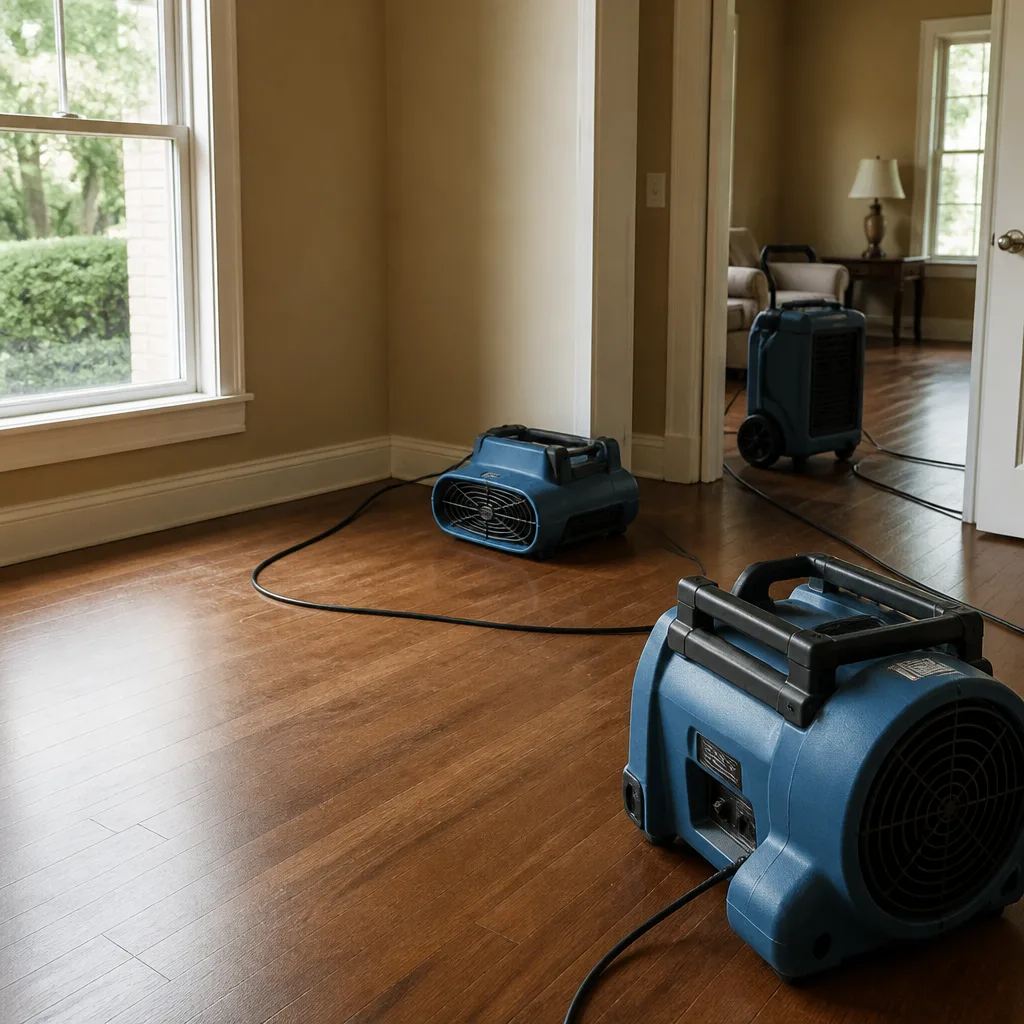 Water damage drying
 Fire & smoke cleanup
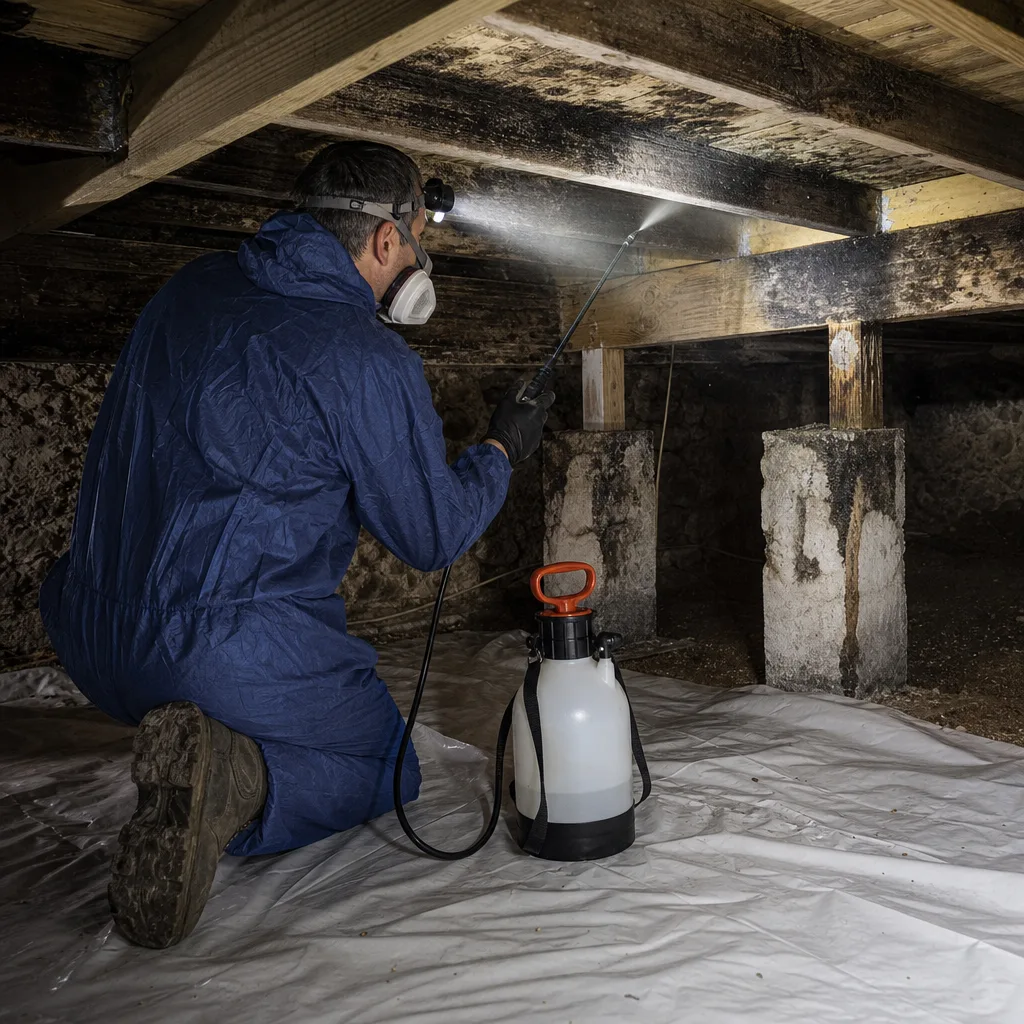
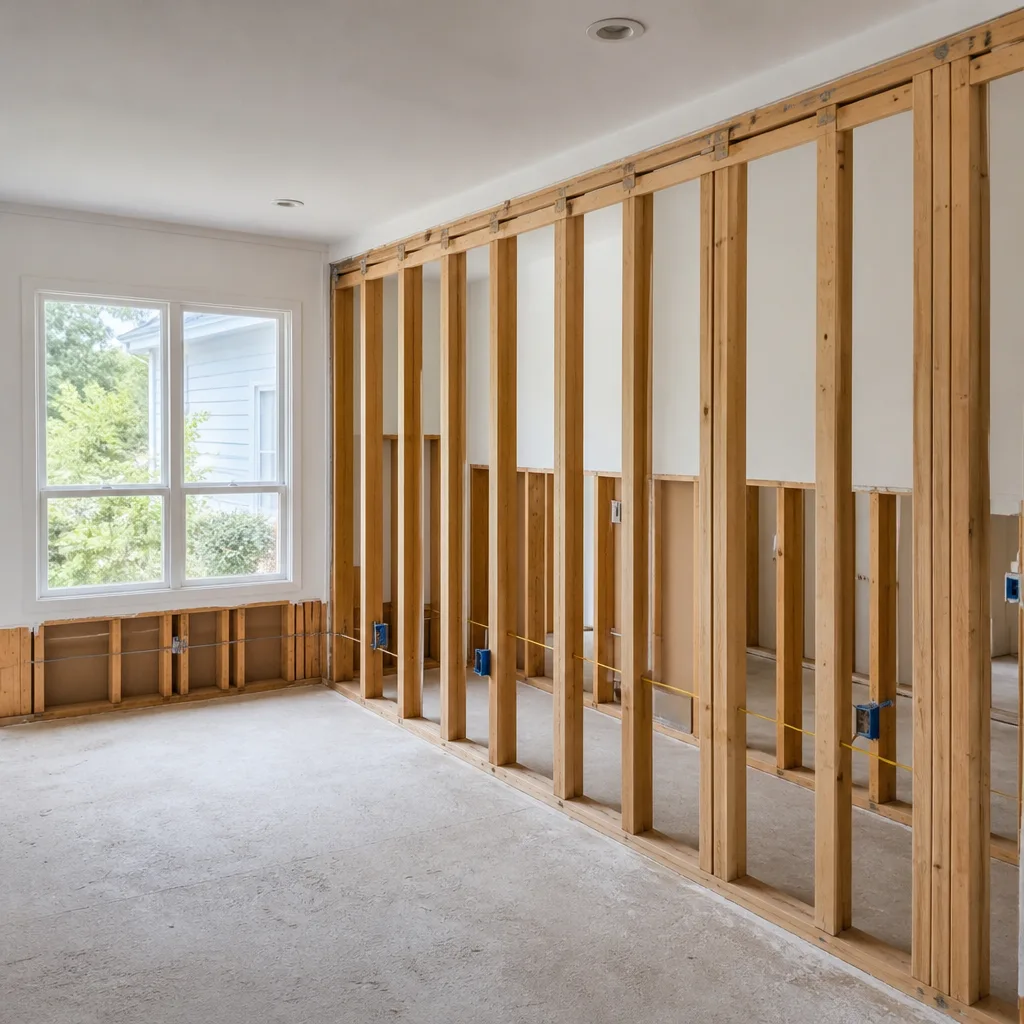 Mold remediation
 Storm response
 Sewage cleanup
 Reconstruction
Free visual inspection and a written scope of work before any mitigation begins - photos, moisture readings, and drying logs go in your claim file
The scope we write is the scope we bill. Anything new gets shown to you, in writing, before we touch it.
Get your free estimateSeasonal Damage Restoration Care for San Francisco: Year-Round Homeowner’s Guide
August in San Francisco is when indoor mold colonies establish fastest. Not January, when the atmospheric rivers arrive. Not March, when the hillsides slump. August. That’s because foggy 55°F mornings collide with sun-warmed interior walls that never fully dried from winter rains, creating a condensation cycle that’s invisible until it smells. Most seasonal home-maintenance guides are written for a national calendar: rake leaves in fall, shovel snow in winter, prep for heat in summer. San Francisco doesn’t follow that calendar, and neither should your approach to water damage prevention. For a deeper look at protecting your home, see our Complete Guide to Damage Restoration in San Francisco. This guide walks through what actually happens to homes in this city across all twelve months, and what to do about it before the tide mark tells the story.
Quick Answer
San Francisco’s water damage exposure is effectively year-round because the city has two distinct wet seasons: a rainy season that peaks November through March, and a fog-condensation season that peaks June through September. The most effective seasonal care plan involves four phases: October drainage prep, January-to-March storm response, April-to-May drying and inspection, and June-to-September interior humidity monitoring focused on crawl spaces and rooms with limited airflow. For a printable version of these steps, see our Water Damage Restoration Maintenance Checklist for San Francisco Homeowners. A $25 hygrometer is the single most useful prevention tool for the fog season.
Restoration work we handle
Table of Contents
- October Rainy Season Preparation: What San Francisco Homes Actually Need
- Peak Storm Response: January Through March
- The Post-Rain Drying Window: April and May
- Fog-Condensation Season: June Through September
- How to Use a $25 Hygrometer to Monitor Fog-Season Risk
- Clay Soil, Grading, and When San Francisco Dirt Is Workable
- The Tide Mark Principle: Using Past Water Lines to Predict Future Problems
- Common Mistakes to Avoid
- When to Call a Professional
- Frequently Asked Questions
October Rainy Season Preparation: What San Francisco Homes Actually Need
The first meaningful rains in San Francisco usually arrive in October, and they arrive all at once. Six months of dry weather means gutters packed with eucalyptus leaves from Golden Gate Park’s wind corridors, downspouts buried in pine needles, and drain grates crusted over with summer dust. When that first storm hits, water that should flow away instead pools against foundations and spills over gutter edges onto siding. The October prep window is short and specific.
Start with gutters and downspouts. In the Richmond and Sunset districts, ocean wind drives sand and leaf litter into gutters faster than almost anywhere else in the city. In the hills around Twin Peaks and Diamond Heights, roof valleys concentrate runoff hard enough to overshoot gutters entirely if they’re partially blocked. A gutter that overflows during a January storm is not a gutter problem by January; it’s an October inspection problem that went unaddressed.
Here is the October checklist, in priority order:
- Clean gutters and downspouts after the first leaves drop but before Halloween. Check that downspouts discharge at least three feet from the foundation.
- Inspect roof flashings around chimneys, skylights, and vent pipes. San Francisco’s frequent fog means flashing sealant degrades faster than in dryer climates; hairline gaps that seem cosmetic in October become active leaks by December.
- Test sump pumps and perimeter drains if your home has them. Many San Francisco basements and garage conversions have French drains that have not moved water since April. Run a garden hose into the drain inlet and confirm it discharges.
- Clear yard drains and catch basins of summer debris. In neighborhoods with mature street trees like the Haight or Noe Valley, leaves and seed pods clog yard drains every single year.
- Reseal gaps around windows and door thresholds, especially on the west-facing sides of the house that take wind-driven rain from the Pacific.
One San Francisco-specific nuance: check for dry rot before the rains begin, not after. Dry rot fungus, so named because it grows in wood with moderate moisture content, is active all summer in the city’s high humidity. By the time winter rain makes wood visibly wet, the rot is often well established. October is when a quick inspection of window sills, deck posts, and garage door jambs catches it early.
For a deeper dive into what proper drainage and structural drying look like, see our guide to Water Damage Restoration in San Francisco.
Peak Storm Response: January Through March
Atmospheric rivers are not a metaphor in San Francisco. They are narrow bands of tropical moisture that can drop three to six inches of rain in 48 hours onto hillsides, flat lots, and saturated clay soil. January through March is when most structural water intrusion happens in this city, and the failures tend to cluster in predictable places.
What we see most often during peak storm season in San Francisco:
- Surface water entering through garage door thresholds. Many older garages, especially in the Mission and Potrero Hill, slope toward the street. In heavy rain, water sheets down the driveway and under the garage door. A simple rubber threshold seal costs under $50 and stops a surprising amount of this.
- Hillside runoff entering basement window wells. In Glen Park, Noe Valley, and anywhere with a downslope lot, window wells fill like bathtubs if their drains are clogged. Check window well drains every two weeks during storm season.
- Foundation seepage through cracks widened by soil expansion. San Francisco’s clay-heavy soil expands when saturated. That expansion exerts pressure on foundation walls, widening hairline cracks. What was a cosmetic crack in September can become an active water path by February.
- Roof leaks at parapet walls and flat roof edges. The city has thousands of flat-roofed Edwardian and mid-century homes. Their parapet caps and edge flashings are the most common leak source we trace when called to a storm-damage job in January.
- Soil settlement around the foundation. Where soil pulled away from the foundation wall during the dry season, rain found a channel. Filling and compacting that gap now prevents next winter’s water from following the same path.
- Water stains on exterior walls that indicate gutter or downspout failures during the prior storms.
- Moss and algae growth on north-facing walls and under eaves. Moss holds moisture against siding and speeds rot. In neighborhoods like West Portal and Forest Hill with dense tree canopy, moss is a perennial spring issue.
- Gaps in window and door caulking opened up by the wet-dry expansion cycle. Spring is the right time to recaulk because the surfaces are dry and the sealant will cure properly.
- Run a dehumidifier in any below-grade or partially below-grade room. Set it to hold 50% relative humidity. In the Sunset and Richmond districts, this means running a dehumidifier through August, not just through the wet winter months.
- Use exhaust fans during and after showers and cooking. The moisture you generate inside the house in summer has nowhere to go; outdoor humidity is too high for passive ventilation to work. In San Francisco, opening a window on a foggy August morning makes indoor humidity worse, not better.
- Check closet walls that face exterior walls on the western side of the house. This is where we find the most summer mold. The exterior wall stays cool all day, the closet air is warm and still, and the inside face of that wall condenses moisture.
- Keep furniture a few inches off exterior walls in rooms that are not air-conditioned. The crawl space of air between furniture and wall lets the wall surface dry each day instead of holding a constant damp film.
- Buy two or three hygrometers. Place one in the room with the most below-grade exposure (a basement, a garage conversion, a laundry room). Place another in the most west-facing room. Place a third in a closet that shares an exterior wall, if you have one.
- Check readings at the same time each day for two weeks. Morning readings, around 7 or 8 a.m., will be highest because of nighttime fog. Evening readings, around 7 p.m., will be lower. You want to know both.
- Record the numbers. Two weeks of readings gives you a baseline. A room that spikes to 75% relative humidity every morning and only drops to 55% by evening is a room with active condensation risk.
- Set action thresholds. If relative humidity stays above 60% in a room for more than four consecutive mornings, start running a dehumidifier in that room. If it stays above 65% even with a dehumidifier running, you likely have a moisture source beyond ambient humidity: a slow plumbing leak, a drainage issue, or water wicking through a foundation wall.
- Retest monthly during fog season. Conditions change as the marine layer deepens through July and August. A room that was fine in June can be problematic by late August.
- June through August: The best window for regrading swales, building shallow berms, recompacting soil around foundations, and installing or repairing French drains. The ground is firm, dug soil compacts well, and the work sets properly before the first rains.
- September and October: Good window for minor touch-ups: filling settlement cracks, adding topsoil to low spots, reseeding bare slopes. The work needs to be done by mid-October to lock in before rains arrive.
- November through March: Do not attempt any grading, drain-installation, or foundation-soil work. The soil will not compact, trenches fill with water, and any slope you build will fail. This is containment season, not construction season.
- April and May: Transition window. The ground is drying out but still soft in shaded areas and on north-facing slopes. Small repairs are possible; major regrading should wait for June.
- Find every tide mark in your home. Go room by room, including the garage, the basement, and any crawl space you can access. Photograph each one with a reference object in the frame (a tape measure, a hand, a pen) so the height is documented.
- Mark the height on the wall with a small pencil line or a piece of painter’s tape. Write the month and year next to it. This converts a fading stain into a monitoring reference point.
- Place a moisture sensor or a simple water alarm at the base of each tide mark. A $15 water alarm with a remote sensor will sound the moment water touches the floor at that spot again. In our experience, water follows the same path far more often than it finds a new one.
- Check the reference marks monthly during the rainy season and every six weeks during the fog season. If a reference mark is growing, water is still entering along that path. If the area stays dry while the rest of the house shows normal seasonal humidity, your original repair held.
- Use the tide mark to calibrate your monitoring budget. Put sensors where water has been, not where water might theoretically go. Past water paths are the highest-probability failure points.
- Cleaning gutters in November after the first storm has already overflowed. By then, the water has already found its path. Gutter cleaning is October work in San Francisco, not November work.
- Opening windows on a foggy summer morning to “air out” the house. You are pulling 90% relative humidity indoor air into the home. In San Francisco, summer ventilation and humidity control often oppose each other. Use the hygrometer, not the window, to make that call.
- Ignoring a musty smell in August because nothing is visibly wet. Fog-season mold grows behind walls and under floors, in spaces that never show standing water. The smell is the evidence. The longer it goes unaddressed, the larger the colony grows.
- Attempting drainage or grading work during the rainy season. Clay-heavy San Francisco soil will not compact when wet. Any slope built in February will fail by June. Do grading work from June through mid-October, and not before.
- Sealing a wet interior wall with waterproof paint. Water behind the wall will continue to wick and degrade the material. The paint traps moisture inside the wall cavity, accelerating mold growth. Fix the water source, dry the wall, then paint.
- Assuming a small leak can wait until the season ends. A roof leak that drips during every January storm can saturate enough insulation and framing by March to require a full structural drying and rebuild. Small leaks compound fast in this climate.
- Trusting a national home-maintenance checklist over San Francisco’s actual calendar. The city’s fog season is its own wet season. A guide written for Sacramento or Los Angeles will miss the largest moisture risk window in this city entirely.
During an active storm, your job is containment, not repair. Move furniture and electronics away from a leaking wall. Put down towels or a tarp. Photograph everything: the rate of water entry, the location, what got wet. Photographs taken in the first hour are the best evidence you’ll have, both for an insurance claim and for any restoration crew that follows. If you’re dealing with water intrusion inside the house, the speed at which professional-grade drying begins determines whether you end up with a stain or a mold problem.
If you’ve had a prior water event, the tide mark from that event is your best predictor of where this storm’s water will travel. More on that in the tide mark section below.
The Post-Rain Drying Window: April and May
April and May are the months when San Francisco homes actually begin to dry, and that makes them the months when hidden damage becomes visible. Efflorescence appears on foundation walls as white mineral deposits. Paint bubbles along baseboards where water wicked up. A musty smell develops in a closet that never smelled before. None of these are new problems in April; they are January problems that finally dried enough to show.
April and May are also when you should be instructive about the prior rainy season, not just reactive. Walk the perimeter of your home after a week of dry weather and look for:
Inside, use April and May for a systematic check of rooms below grade or partially below grade. San Francisco has thousands of homes with garage conversions, daylight basements, and sub-grade utility rooms. These spaces dry last and show mold first. Run a fan through any below-grade room that still feels damp in May. Check the bottom six inches of drywall in laundry rooms, basement staircases, and any closet that shares a wall with earth.
The drying window closes around Memorial Day. After that, the city enters its second wet season, the one most people don’t think about.
Fog-Condensation Season: June Through September
San Francisco’s summer is the driest season in terms of rainfall and the most humid season in terms of sustained indoor moisture risk. The mechanism is simple and relentless: fog rolls in from the Pacific almost every night, pushing outdoor relative humidity to 90% or above. Daytime sun warms interior wall surfaces. When warm, moisture-laden air inside the home meets a cooler interior surface, condensation forms. Night after night, week after week, that condensation film feeds mold spores that were dormant all winter.
The fog belt is not uniform. The Sunset District, Richmond District, Presidio Heights, and anywhere west of Twin Peaks sits in the marine layer far more hours per year than the Mission, Potrero Hill, or Bayview. Homes in the western half of San Francisco need a different level of summer moisture management than homes on the east side.
Here is what summer moisture management looks like in practice:
If you smell a musty odor in August and you cannot find visible mold, the colony is likely behind a wall cavity, under a floor, or in a closet corner you never open. That is the time to bring in a professional with moisture meters and thermal imaging, not just a cleaning spray. Our Mold Remediation in San Francisco page explains the full process.
How to Use a $25 Hygrometer to Monitor Fog-Season Risk
A hygrometer is a small digital device that measures relative humidity. You can buy a decent one for $25 at any hardware store or online. For a San Francisco homeowner, it is the single most useful tool for detecting fog-season condensation risk before mold takes hold.
Here is the protocol we recommend:
One clarification that saves people a lot of confusion: outdoor relative humidity in San Francisco during summer fog is often 85 to 95%. You cannot lower your indoor humidity to 40% by opening windows on a foggy morning. You will make it worse. In this city, summer ventilation and summer humidity control often work against each other, and the hygrometer is how you tell which one wins in any given room.
Clay Soil, Grading, and When San Francisco Dirt Is Workable
San Francisco’s native soil is largely serpentine and clay-heavy, especially in the hills and in the southern and western parts of the city. Clay soil expands dramatically when saturated and shrinks when dry. That expansion and contraction cycle is why grading and drainage work around the foundation has to happen at the right time of year, or it fails.
The rule for San Francisco is this: clay soil is workable for grading and drainage work from roughly late April through mid-October, and ideal from June through September. During the rainy season, the soil is saturated, heavy, and impossible to compact properly. Any regrading done in wet soil will settle after the first dry spell, flattening your slope and undoing the work. A contractor who tells you February is fine for grading work is wrong for this specific soil.
Here is what seasonal grading work looks like on a San Francisco lot:
Slope and drainage on the lot are the first line of defense against foundation water damage. A properly sloped perimeter moves surface water away from the house before it ever touches the foundation wall. For homes built into hillsides, where water naturally flows toward the uphill side of the foundation, a working French drain and surface swale are not optional; they are the only thing standing between the house and a wet crawl space all winter. If you live in the hills, our Tidemark Water Damage San Francisco home page covers the full range of what we do for homes like yours.
The Tide Mark Principle: Using Past Water Lines to Predict Future Problems
A tide mark is the line water leaves on a wall when it rises and then recedes. It is the first thing our technicians look for on every water damage restoration job in San Francisco, because it tells us exactly how far water traveled, how long it sat, and what materials it touched. The same principle works seasonally for homeowners.
If your home has ever had water intrusion, you have a tide mark somewhere. It might be a faint stain on a baseboard, a line on a garage wall, a watermark on a crawl space post, or a high-water ring on a foundation wall. That line is not just evidence of the past; it is the most reliable predictor of where water will go the next time conditions match.
Here is how to use the tide mark principle before the next season begins:
The tide mark principle is the difference between reactive and predictive maintenance. Most homeowners respond to water damage when it appears. A homeowner who has mapped prior tide marks and placed sensors at those points knows the moment water returns, often before visible staining appears.
Common Mistakes to Avoid
When to Call a Professional
Call a restoration professional when you see water actively entering the home, when a tide mark is growing, when a musty smell persists after you have cleaned and dehumidified, or when any below-grade room stays above 60% relative humidity despite dehumidifier use. You should also call when a water event has touched drywall, insulation, or flooring that was saturated for more than 48 hours; the risk of mold in those materials is high and the damage is rarely visible from the surface. Tidemark Water Damage San Francisco offers free estimates in San Francisco. Reach us at (831) 400-3496. We provide a written price before any work starts, and every job includes our 365-Day Done Right Promise. For typical pricing ranges, see our Damage Restoration Cost Breakdown: The San Francisco Homeowner’s Reference for 2026.
Frequently Asked Questions
August has the highest mold growth risk in San Francisco, not a winter month, because the fog season keeps outdoor relative humidity above 85% for half of each day while sun-warmed interior walls hit peak temperatures, creating nightly condensation cycles that feed dormant mold spores from the rainy season.
Run a dehumidifier set to 50% relative humidity in below-grade rooms, use exhaust fans during showers and cooking, keep furniture a few inches off west-facing exterior walls, and monitor indoor humidity with a $25 hygrometer any time morning readings stay above 60% for several consecutive days.
Homes in low-lying flat areas like parts of the Marina, Mission Bay, or Bayview, and hillside homes with below-grade rooms, frequently need both a sump pump and a working perimeter drain, while many homes on well-drained hillside lots manage with surface grading and properly discharging downspouts alone.
The best time to install a French drain in San Francisco is June through September, when the region’s clay-heavy soil is dry enough to dig and compact properly; installing drains during the rainy season results in poorly compacted soil and a system that settles and fails within a year.
No, you should not open windows for humidity control during San Francisco’s fog season, because outdoor relative humidity is often 85 to 95% in the morning and opening windows pulls that moisture into your home; use a dehumidifier instead and monitor with a hygrometer.
Most homeowner’s policies cover mold remediation only when the mold results from a covered water event, such as a burst pipe or storm damage, and many policies exclude or cap coverage for mold attributed to condensation or high ambient humidity, so documenting indoor humidity readings and acting early is important; for help with photo documentation and direct adjuster coordination, call Tidemark at (831) 400-3496.
The Bottom Line
San Francisco’s water damage calendar runs twelve months a year, split between a rainy season that peaks November through March and a fog-condensation season that peaks June through September. October is for gutter, flashing, and drainage prep. January through March is for storm containment and evidence documentation. April and May are for inspection and drying. June through September is for humidity monitoring and dehumidification. A $25 hygrometer, mapped tide marks from prior water events, and grading done during the dry window are the tools that keep a San Francisco home dry year-round. For more guides & resources on protecting your home, explore our blog. And when water does intrude, a fast, professionally documented response makes the difference between a stain and a structural problem.
For more on the services we provide across the city, visit our Tidemark Water Damage San Francisco home page or call (831) 400-3496 for a free estimate.
Written by Rick Sumner, Owner at Tidemark Water Damage San Francisco, serving San Francisco since 2006.
See the difference
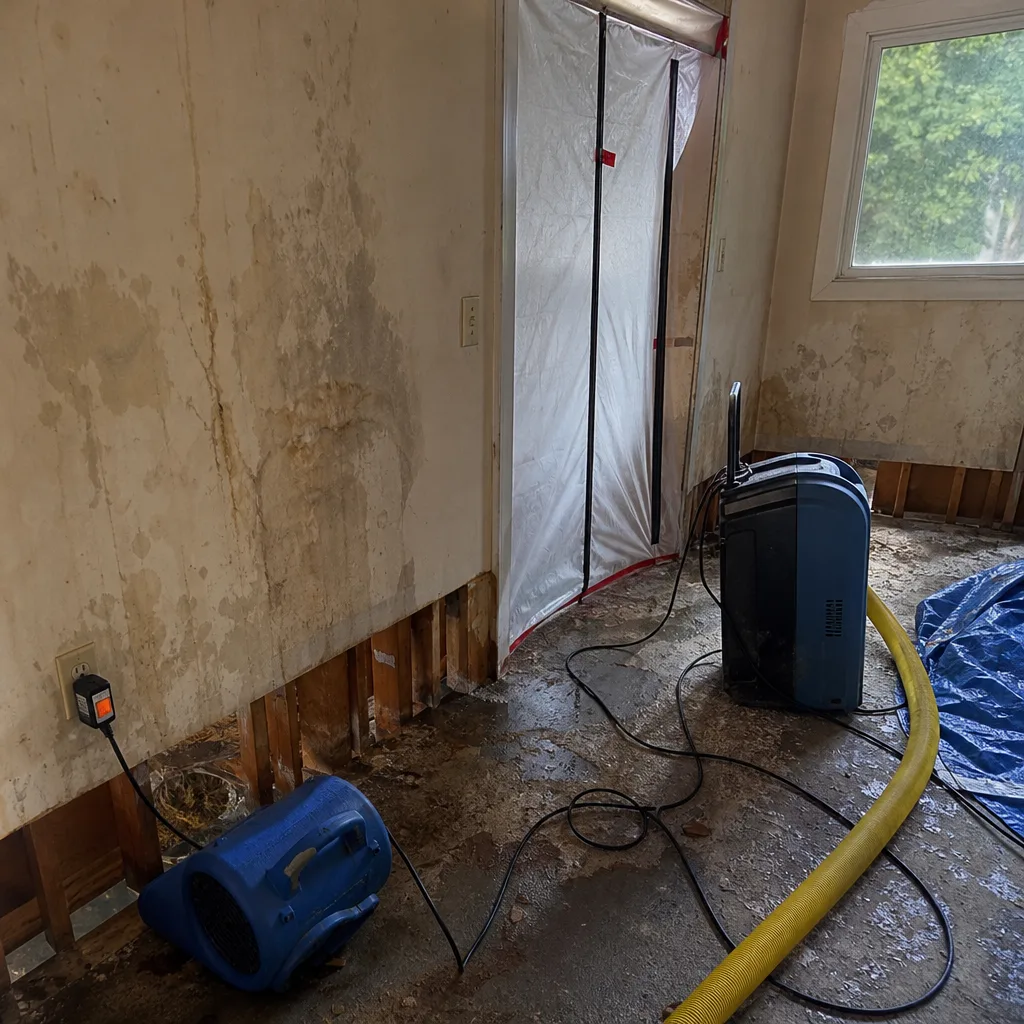 Before
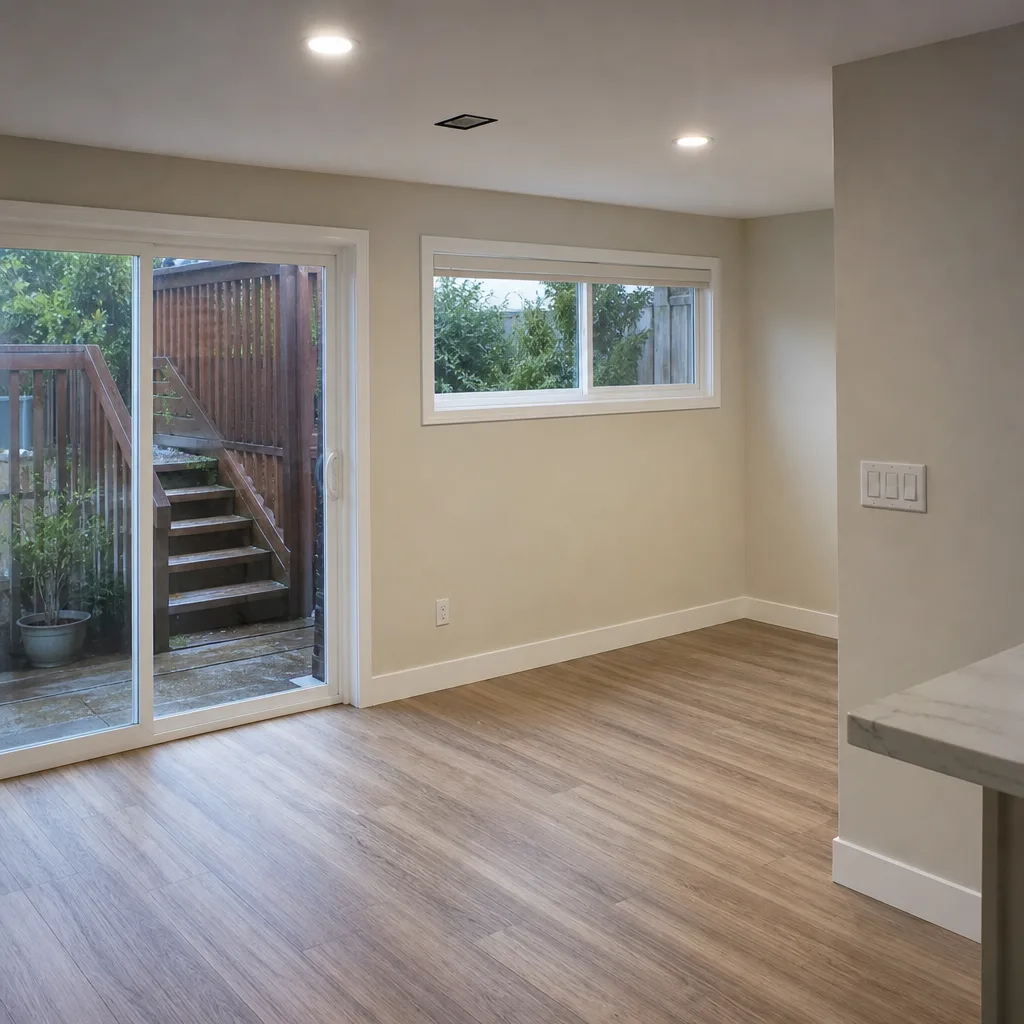 After
After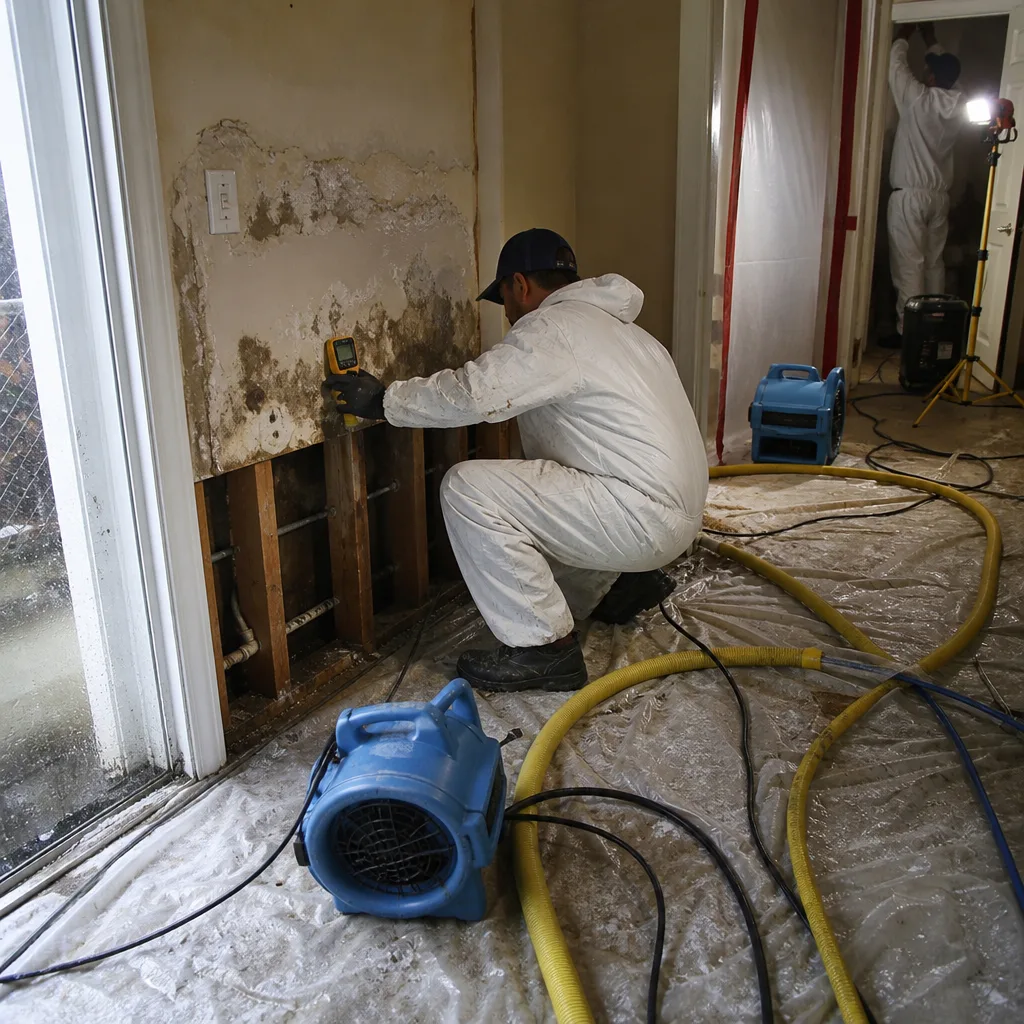 Before
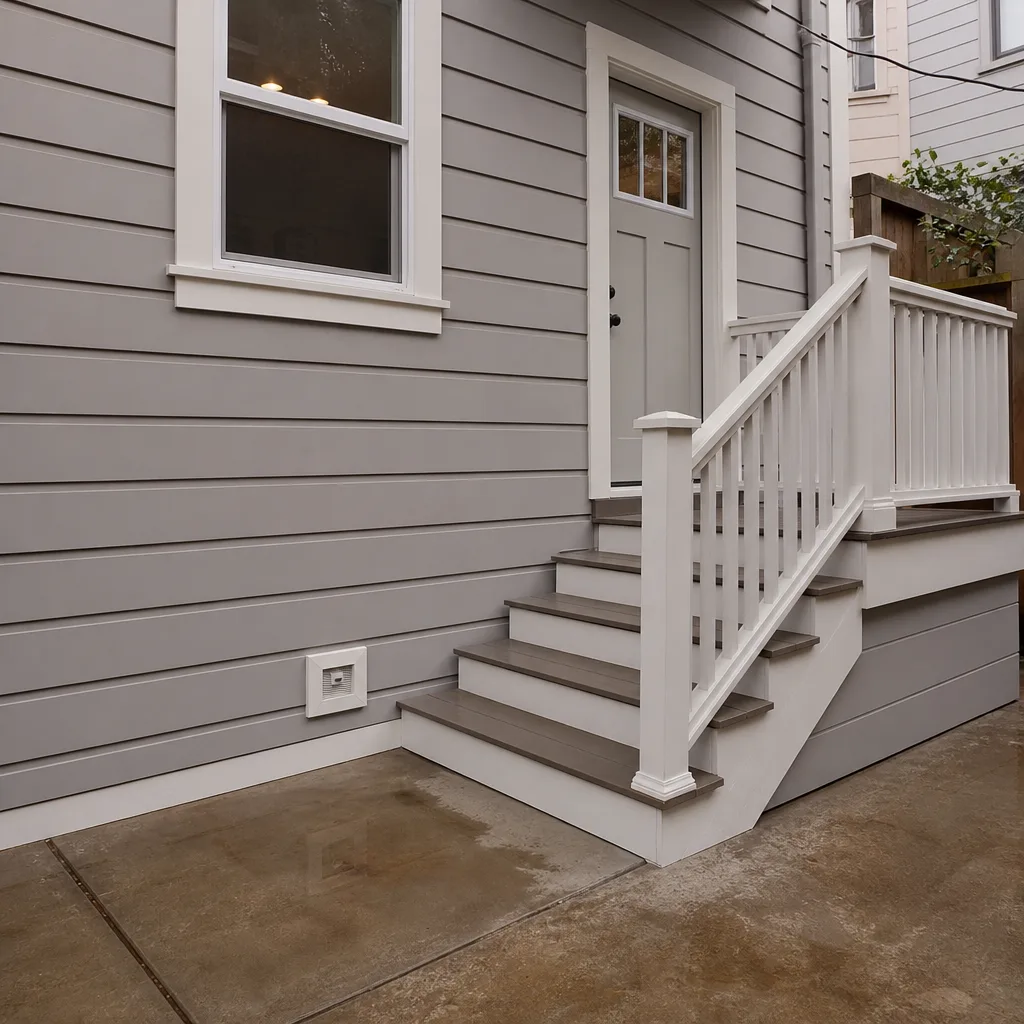 After
After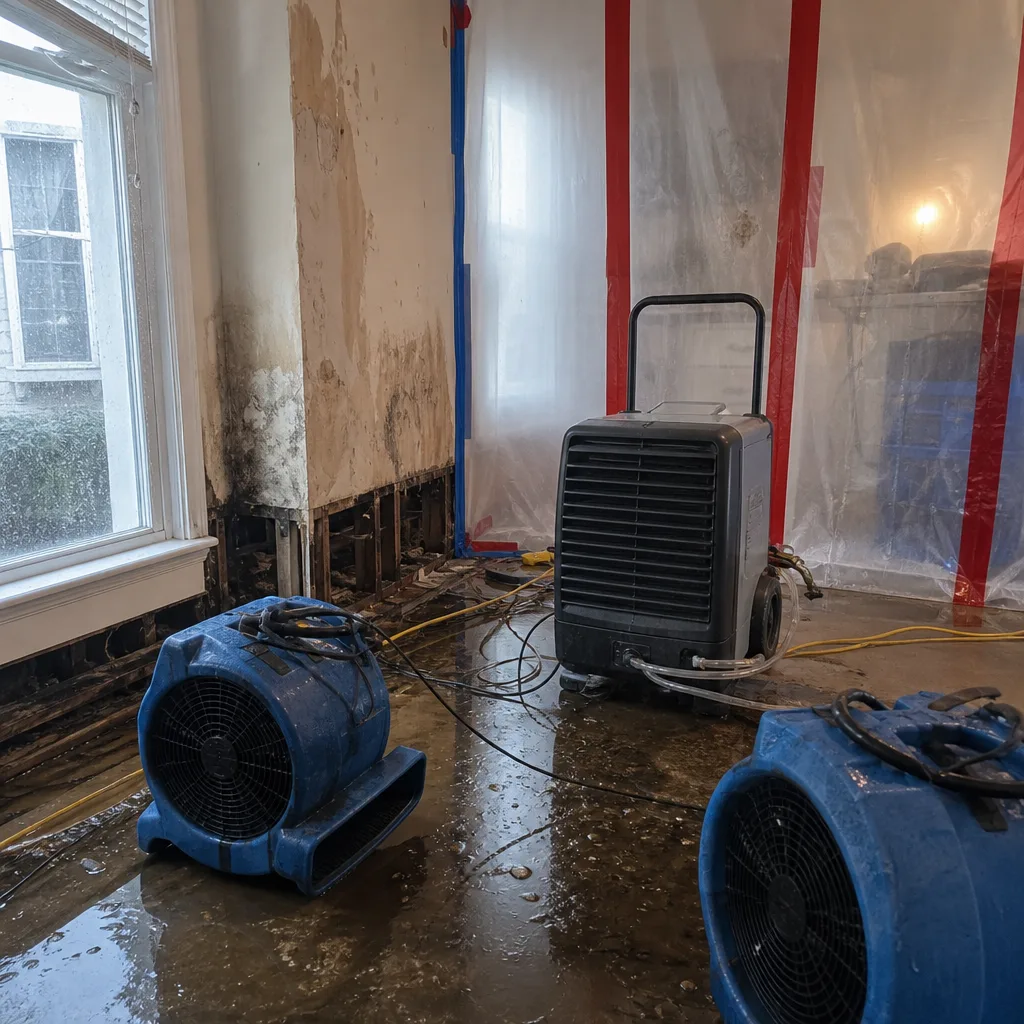 Before
 After
After