
Last updated October 16, 2026
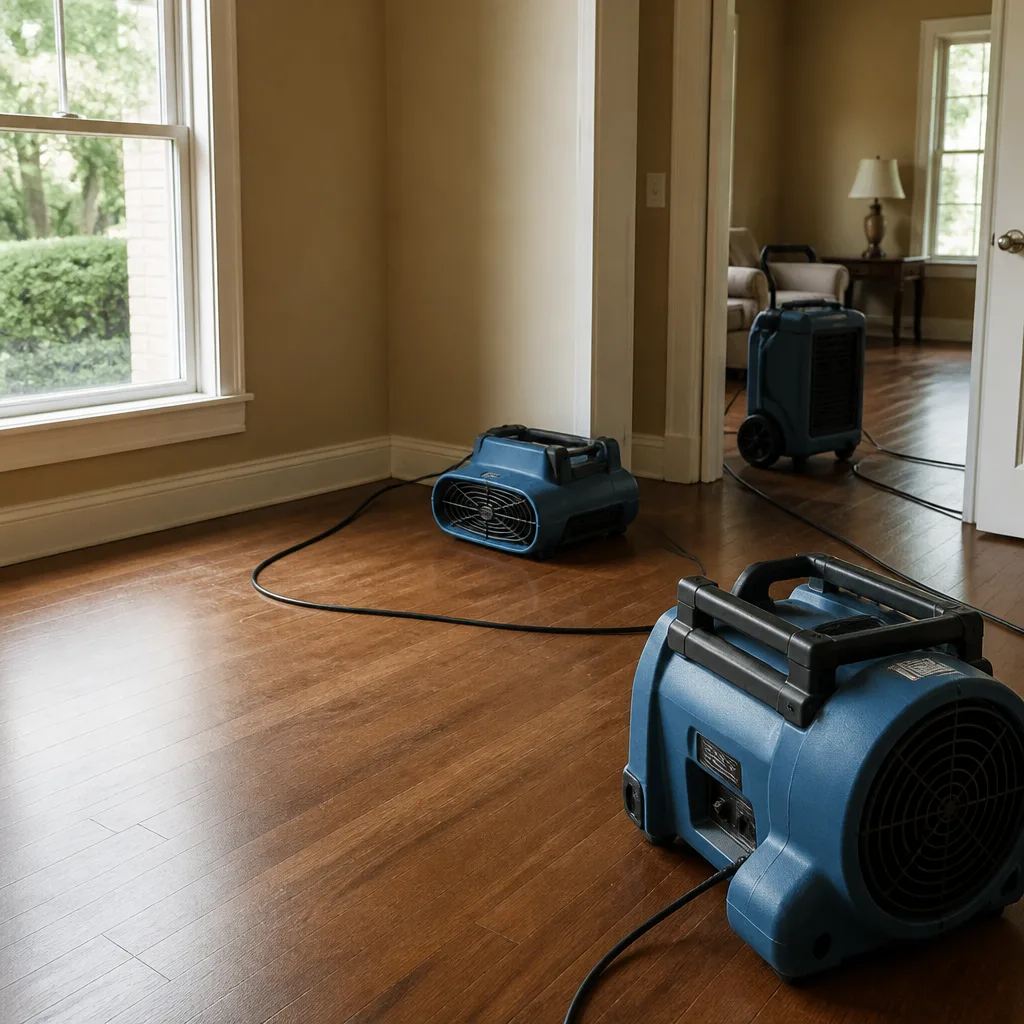 Water damage drying
 Fire & smoke cleanup
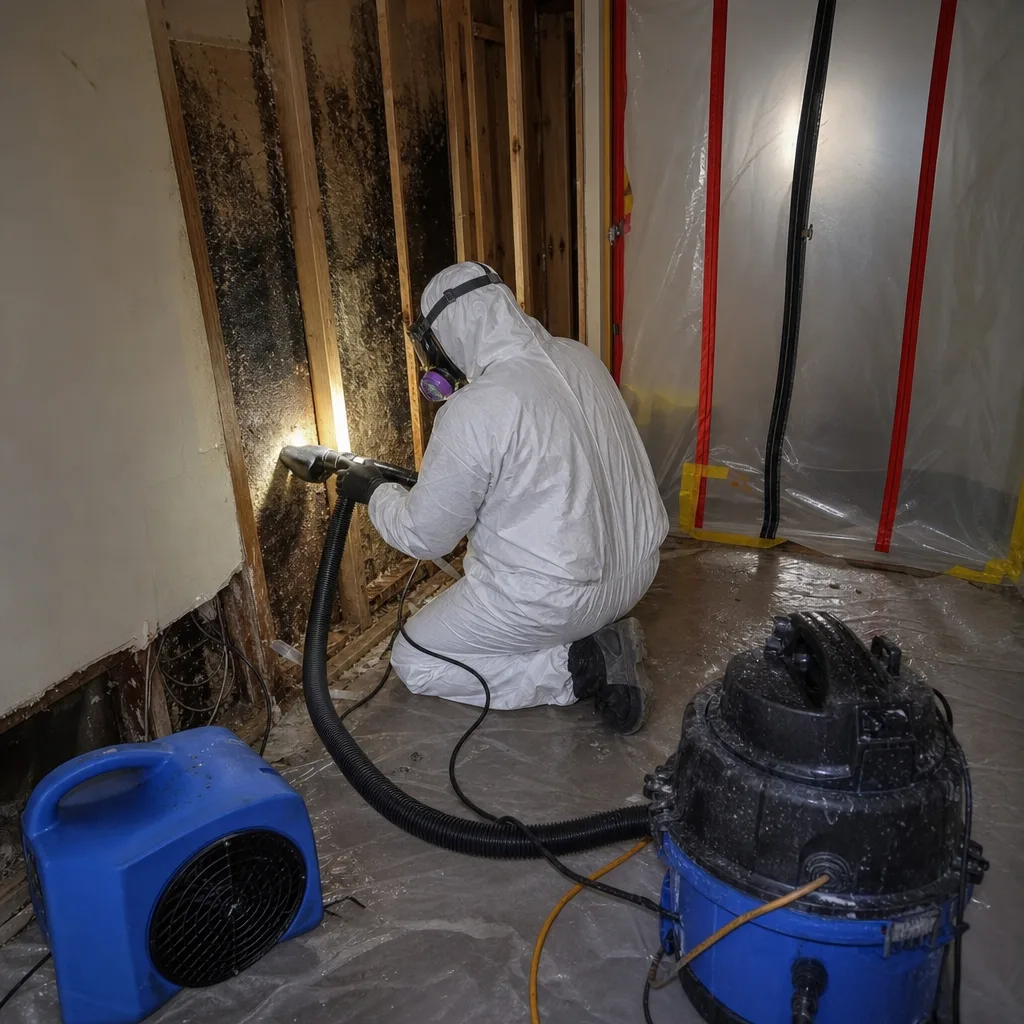
 Mold remediation
 Storm response
 Sewage cleanup
 Reconstruction
Free visual inspection and a written scope of work before any mitigation begins - photos, moisture readings, and drying logs go in your claim file
The scope we write is the scope we bill. Anything new gets shown to you, in writing, before we touch it.
Get your free estimateWater Damage Restoration Maintenance Checklist for San Francisco Homeowners
The single most common source of preventable water damage in San Francisco isn’t a storm or a burst pipe. It’s failed step flashing where a roof meets a parapet wall, a junction point that shows up on roughly 60% of the city’s flat-roof Edwardians and is almost never on a standard maintenance checklist. Most maintenance guides tell you to “check for leaks.” This guide, alongside our Complete Guide to Damage Restoration in San Francisco, tells you exactly where water enters, pools, and hides in your specific building type across all twelve months of a climate that really has two seasons: wet and dry-but-foggy. By the time you finish reading, you’ll know the five high-risk junctions unique to San Francisco housing stock, how to read your water meter for a slow leak in under four minutes, and which records to keep so an insurance claim or future buyer’s inspection goes smoothly.
Quick Answer
A water damage prevention checklist for a San Francisco homeowner should be built around the city’s climate calendar and its dominant architecture: monthly gutter and drain checks during the dry season, quarterly inspections of parapet flashing, bay window sill pans, and garage-to-living-space transitions, and annual professional assessments of roof penetrations and shared-wall junctions in attached Victorians. The most overlooked preventive task is reading your water meter for slow leaks, something that costs nothing and catches the damage class insurance companies most frequently dispute.
Restoration work we handle
Table of Contents
- Why San Francisco’s Climate Demands a Different Checklist
- Five High-Risk Junctions Unique to SF Housing Stock
- Monthly, Quarterly, and Annual Task Grid for San Francisco
- How to Read Your Water Meter for a Slow Leak in Under Four Minutes
- Maintenance Records: What to Keep and How to Store Them
- Pet-Safe and Child-Safe Product Substitutions
- Common Mistakes to Avoid
- When to Call a Professional
- Frequently Asked Questions
Why San Francisco’s Climate Demands a Different Checklist
A national template for water damage prevention fails San Francisco homeowners because our moisture problem isn’t primarily rain. It’s a long fog season that keeps exterior surfaces damp for weeks at a time, followed by concentrated winter deluges that test every flashing joint and drainage path at once. Wood that never fully dries rots slowly. Sealant that stays wet fails early. And when the atmospheric river arrives in January, the system that held up through 50 foggy mornings has to handle three inches of rain in 36 hours.
We’ve seen this pattern in homes across the Richmond, Sunset, Noe Valley, and Bernal Heights. The exterior wall that faces west takes fog-driven moisture nearly every summer morning. Paint blisters small. Hairline cracks open. Water finds the gap. By the time the first real storm hits, that wall is already compromised behind the surface. A San Francisco maintenance checklist has to account for this slow, persistent dampness, not just the dramatic storm events that make the news.
The second local factor is architectural. San Francisco has one of the oldest housing stocks in the country. Attached Victorians and Edwardians share walls. Flat and low-slope roofs carry parapet walls. Bay windows cantilever out over the sidewalk. Garages tuck under living space. Each of these features creates a junction where water can enter, and each junction behaves differently depending on whether it faces the ocean fog, the bay wind, or the sheltered eastern slopes.
This is why we built our restoration practice around the tide mark, the line water leaves on a wall showing exactly where it traveled. Prevention works the same way. You don’t guess where water might enter your home. You learn where it does enter homes like yours, in neighborhoods like yours, and you check those spots on a schedule that matches the actual weather.
Five High-Risk Junctions Unique to SF Housing Stock
These are the five junctions we return to again and again on water damage calls in San Francisco. They rarely appear on generic checklists because they don’t exist in most of the country’s housing stock. They absolutely exist here, and they cause a disproportionate share of preventable damage.
1. Parapet Step Flashing
A parapet wall is the low wall that extends above the roofline on many flat and low-slope roofs, and it’s especially common on the Edwardian homes of the Richmond and Sunset districts. Where the roof membrane meets that wall, installers use step flashing: short pieces of metal layered in a staircase pattern. Each step overlaps the one below it. When the sealant at the top edge degrades, or when the metal itself corrodes from decades of fog exposure, water walks right over the lap and down into the wall cavity. The damage is invisible from the ground and often invisible from the roof surface itself. By the time a stain appears on an interior ceiling, the water has been working its way down for months.
Check it: Twice a year, in September before the rains begin and again in March after the wettest months. If you can safely access the roof, look for lifting sealant, rusted flashing, or gaps where the flashing meets the parapet cap. If you can’t access the roof, look for interior signs below the parapet line: discoloration on the ceiling near exterior walls, bubbling paint near the top of interior walls, or a musty smell in the uppermost rooms.
2. Shared-Wall Penetrations in Attached Victorians
Most Victorians in San Francisco share at least one wall with a neighbor. Roof penetrations, chimneys, skylights, and plumbing vents near that shared wall create a double vulnerability. Your flashing might be intact, but water can enter through the neighbor’s side and travel horizontally through the wall assembly before showing up in your living space. We’ve opened walls in the Mission where the source was a rotted vent collar on the adjoining property, three feet from where the stain appeared.
Check it: Look for stains or paint bubbling on any ceiling or wall adjacent to a shared wall line. In an attached building, also note whether your neighbor has done recent roof work. If they have, inspect your own side in the following weeks. Water often finds its way across property lines through the roof structure itself.
3. Garage-to-Living-Space Transitions
Homes built into San Francisco’s hillsides often have a garage at street level with living space above. The transition between garage slab and framed floor is a classic entry point for water from three directions: surface runoff at the garage door, groundwater seepage through the foundation on the uphill side, and plumbing leaks in the garage ceiling that go unnoticed because nobody spends much time looking up in a garage. The telltale sign is a musty smell in the garage that gets stronger after rain, or efflorescence (white mineral staining) on the lower concrete walls.
Check it: Once a month during the rainy season, look up at the garage ceiling with a flashlight. Check around the garage door seal for daylight gaps. And feel the lower walls on the uphill side for dampness after any storm that drops more than half an inch of rain.
4. Bay Window Sill Pans
San Francisco’s bay windows are architecturally beloved and structurally notorious. The sill, the horizontal surface at the bottom of the window assembly, is supposed to slope slightly outward and direct water away from the wall. Over time, settlement or failed caulking allows water to pool at the corners, soak into the sill framing, and eventually travel down into the wall below. Because bay windows project beyond the exterior wall, they catch rain from above and wind-driven moisture from all directions. In fog-heavy western neighborhoods, the sills can stay damp for weeks at a time.
Check it: From inside, look for soft wood, dark staining, or paint cracking at the lower corners of each bay window, especially after a rainy period. From outside, check that the sill surface slopes away from the wall and that the caulk line where the window meets the wall is intact. If you can press a fingernail into the wood and leave a mark, the wood is holding moisture.
5. Laundry-Room Drain Pans in Upper-Floor Units
In a city where many homes have been converted to multiple units, upper-floor laundry rooms are a common source of water damage that affects not only the unit where the leak occurs but everything below it. The rubber washer hose that has been in service for ten years is a time bomb. The drain pan under the washer is often missing, cracked, or not connected to a drain at all. And the shutoff valve behind the washer is frequently stuck open, so when the hose fails, water flows until someone closes a valve at the main.
Check it: Replace rubber washer hoses with braided stainless steel lines. They cost about $25 per pair and take 20 minutes to swap. Verify that a drain pan is present and that it’s connected to a drain line, not just sitting under the washer. Test the shutoff valve by turning it closed and open once a year. If it won’t budge, have a plumber replace it before it’s needed in an emergency.
These five junctions are the architecture of San Francisco water damage. When we arrive on a restoration job at Tidemark Water Damage San Francisco home, our technicians look at these features first because they’re where water most often enters, pools, and hides. Prevention means checking them before they fail. For a fuller picture of how water travels once it’s inside your walls, read our guide to Water Damage Restoration in San Francisco.
Monthly, Quarterly, and Annual Task Grid for San Francisco
Here’s a task grid matched to San Francisco’s actual climate pattern: dry from roughly May through October, rainy from November through April, with fog present in the western neighborhoods nearly year-round. This is not a generic spring-cleaning list. It’s built around when water actually threatens your home in this city.
Monthly Tasks (15 minutes total)
- Read your water meter. The single most valuable 4-minute task you can do. Detailed instructions below.
- Check the garage ceiling and lower walls. Look up with a flashlight. Feel uphill-facing walls after rain. Monthly checks catch plumbing leaks in garage ceilings before they become ceiling collapses.
- Inspect visible plumbing under sinks. Look for water stains, corrosion on shutoff valves, and any drips. Run your hand along the back of the cabinet floor, which is where slow leaks pool invisibly.
- Clear balcony and deck drains. Fog doesn’t clog drains, but eucalyptus and Monterey pine debris does. A blocked deck drain in the Outer Sunset sends water under the door and into the floor assembly.
Quarterly Tasks (45 – 60 minutes total, aligned with season changes)
- September: Pre-rain inspection. Check parapet step flashing from the roof or by binoculars from the ground. Clean gutters and downspouts. Verify that downspout extensions direct water at least three feet from the foundation. Test the sump pump if you have one.
- December: Mid-rainy-season check. Look for new interior stains after the first big storms. Feel the garage’s uphill walls. Clear any debris from roof drains and gutters. Bay window sills should be checked for dampness with a moisture meter or knuckle test.
- March: Post-rain check. Inspect for any damage that occurred over the winter. Look for fresh paint bubbling, new staining, or musty smells. Schedule repairs for the dry season.
- June: Fog-season prep. In neighborhoods from the Avenues to Daly City, check that exterior caulking around windows and doors is intact. Fog moisture penetrates hairline cracks that would be irrelevant in a dry climate. Repaint or recaulk where needed during the reliably dry window.
Annual Tasks (schedule for September, the last reliably dry month)
- Professional roof inspection. A licensed roofer checks all flashings, the roof membrane or shingles, and the parapet walls. This is $200 – $450 in San Francisco and worth every dollar.
- Bay window sill inspection. If wood is soft, have a carpenter replace it and install a proper sill pan sloped toward the exterior.
- Plumbing system review. Check all shutoff valves, replace any rubber washing machine hoses with braided stainless steel, and consider having a plumber inspect the main line from house to street.
- Attic and crawl space inspection. Look for signs of moisture: dark staining on rafters, rusted nails, condensation on the underside of the roof sheathing, or visible mold. This is also the place to spot rodent activity, which can damage plumbing and electrical sheathing.
- Drain line flushing. Have a plumber camera the main waste line, especially if you have mature trees near the house. Root intrusion is a top cause of sewage backup in the older neighborhoods of San Francisco.
How to Read Your Water Meter for a Slow Leak in Under Four Minutes
This task costs nothing and catches the damage class that insurance companies most frequently dispute: slow, continuous leaks that run for months before anyone notices. A pinhole leak in a supply line behind a wall can drip for six months and cause extensive mold growth while producing no visible stain. The water meter sees it. Here’s how to use yours.
Step 1: Turn off all water. That means everything: sinks, showers, toilets, washing machine, dishwasher, ice maker. In a multi-unit building, coordinate with other units if they share your meter. This is the only part of the process that takes any coordination.
Step 2: Find your meter. In most San Francisco homes, the water meter is in a box at the sidewalk or in the parking strip, under a concrete or metal lid labeled “WATER.” You may need a screwdriver or meter key to lift the lid. If you can’t find it, the San Francisco Public Utilities Commission can tell you where it is based on your address.
Step 3: Read the meter. Modern SFPUC meters have a digital display that alternates between the reading and the flow rate. On older meters, you’ll see a sweep hand and a low-flow leak indicator, which is usually a small triangle or gear-shaped dial that spins at the slightest water movement. Write down the exact reading, including the last digit.
Step 4: Wait 15 minutes. Don’t use any water during this window. Then read the meter again. If the number has changed, or if the low-flow indicator is moving, water is flowing somewhere in your system, and everything is off. That’s a leak.
To confirm, turn off the main shutoff valve inside your home and check the meter again. If the movement stops, the leak is in the interior plumbing. If it continues, the leak is in the buried line between the meter and the house, which is typically the homeowner’s responsibility in San Francisco. Our IICRC-credentialed technicians use moisture detection equipment from brands like Injectidry to trace these slow leaks to their source, often before any demolition is necessary. A slow leak caught early is a repair. The same leak ignored for six months becomes a full-scale job requiring our Water Damage Restoration services, often with mold potential, which is why if you suspect a slow leak, the best time to investigate is today.
Maintenance Records: What to Keep and How to Store Them
When water damage happens, two conversations follow: one with your insurance adjuster and one, eventually, with a future buyer’s inspector. Both conversations go better when you have documentation that the home was properly maintained. Insurance companies process claims more quickly when the homeowner can show a maintenance history that predates the loss. Buyers pay more for a home with a drawer full of records because it signals that hidden systems were cared for.
Keep these records:
- Roof inspection reports and any repair invoices from roofers, showing dates and what was done
- Plumbing repair receipts, including water heater replacement (note the date, brand, and whether an expansion tank was added)
- Gutter cleaning or drain clearing invoices, especially if they show recurring service
- Water meter readings, at minimum monthly, to show baseline usage and any anomalies you investigated
- Photos of any repair work mid-process, showing what was opened and what was fixed
- Product warranties for appliances that use water: water heater, washing machine, dishwasher, refrigerator
- Any report from a professional water damage or Mold Remediation in San Francisco job, including moisture readings taken before and after drying
How to store them: Digital copies in at least two places. Use a cloud service you actually check, and also keep paper copies in a fireproof document bag or safe. The most useful storage method is a simple binder with plastic sleeves, organized by year, kept somewhere every adult in the household knows about. Add a one-page summary sheet at the front: dates of major inspections, replacements, and repairs. When an adjuster asks “When was the last time the roof was checked?”, you hand them the binder and the answer is in front of both of you.
A note on photos: take them before and after every maintenance task, even the boring ones. A photo of clean gutters in September is evidence of maintenance. A photo of the inside of a wall opened for a plumbing repair shows the framing was dry and sound at that time. These images become your baseline if damage happens later.
Pet-Safe and Child-Safe Product Substitutions
Between professional inspections, there are mold-preventive treatments homeowners can apply themselves. Many conventional products contain harsh biocides that linger on surfaces where children and pets spend time. The following substitutions use products that are effective for routine prevention and safe when used as directed.
For bathroom and kitchen surfaces: Instead of chlorine bleach, use a citric acid-based cleaner or a hydrogen peroxide formulation labeled for household use. Both break down to harmless compounds and don’t leave the persistent chemical residue that bleach does. Apply to surfaces that tend to hold moisture: shower corners, windowsill tracks, the area behind the kitchen sink.
For small mold spots on painted surfaces: A solution of white vinegar and water (one part to four parts) applied with a cloth, allowed to sit for 15 minutes, and wiped dry is effective on minor surface mold. Vinegar is food-safe and won’t harm pets if they walk across the surface after it’s dry. Don’t use vinegar on stone, tile, or grout, where its acidity can etch the surface.
For closets and storage areas: Silica gel desiccant packs, the kind sold for gun safes and camera equipment, keep humidity low in enclosed spaces where air doesn’t circulate. They’re non-toxic, reusable (reactivate in a low oven), and far safer than chemical moisture absorbers that contain calcium chloride, which is hazardous if a pet chews the container.
For crawl spaces and garages: Improve ventilation first, and use a professional-grade dehumidifier. We operate equipment from Dri-Eaz and Phoenix that can pull gallons of water out of the air in a day, but for a homeowner maintaining a garage, a standard household dehumidifier with a drain hose is the right tool. Set it to 50% relative humidity and clean the filter monthly.
Important note: These substitutions are for routine prevention and minor surface mold on non-porous surfaces. If mold is growing on drywall, insulation, or framing, or if the affected area is larger than a few square feet, that’s a job for professional assessment. Our technicians are IICRC- and RIA-credentialed, and we choose drying agents and antimicrobial treatments that are safe for households with children and pets, explaining exactly what we’re using and why before we apply anything.
Common Mistakes to Avoid
- Checking only after storms. San Francisco’s fog does more long-term damage than its storms. A home that passes inspection in November can fail by March from moisture that entered in July. Check on the climate’s schedule, not the storm’s.
- Painting over water stains without addressing the source. A coat of paint over a ceiling stain is the most common homeowner concealment we see. The water is still there. Eventually the paint fails, and the damage behind it is worse than it would have been if addressed immediately.
- Ignoring the neighbor’s roof. In attached Victorians, your neighbor’s failing roof is your water problem. After your neighbor gets roof work done, check your shared wall line carefully for a few weeks afterward. Water that was previously shed by their old roof can find a new path during construction.
- Using bleach as a mold treatment. Bleach kills surface mold but does not penetrate porous materials like drywall or wood, and the water in the bleach actually feeds the mold roots that remain. A mold colony treated with bleach usually returns within weeks, often larger than before.
- Waiting to test shutoff valves until an emergency. The moment a pipe bursts is the wrong time to discover that your main shutoff valve is stuck. Test every shutoff valve in the house once a year, and replace any that don’t turn freely.
- Assuming drainage is someone else’s problem. In San Francisco, the homeowner is responsible for the sewer lateral from the house to the main line in the street. Root intrusion and old clay pipe failures are common, especially in neighborhoods with mature street trees. A camera inspection every few years costs a few hundred dollars and prevents a sewage backup that costs thousands.
- Deferring maintenance because “it’s been fine so far.” San Francisco’s housing stock has survived a century or more because previous owners did the maintenance. The homes with the most severe water damage are almost always the ones where maintenance stopped a decade ago. Water damage doesn’t announce itself. It accumulates quietly until the failure is dramatic.
When to Call a Professional
Some situations call for a trained eye and professional equipment. Call a restoration professional if you see water traveling across a ceiling, if water is coming through a light fixture, if the affected area is larger than a few square feet, or if you smell a musty odor you can’t locate. Also call if a leak has been running inside a wall or ceiling for more than 24 hours, because hidden moisture requires drying equipment to prevent mold growth. If a supply line breaks and water is flowing, shut off the main valve first, then call. Tidemark Water Damage San Francisco offers free estimates in San Francisco, call (831) 400-3496 and a real person answers, day or night. If the situation involves fire damage, our Fire Damage Restoration in San Francisco team handles the water damage from extinguishing as part of the same response.
Frequently Asked Questions
Monthly is ideal, and quarterly is the minimum. The SFPUC bills every two months, so a monthly meter read means you’ll catch a slow leak at least one billing cycle before it shows up as an unexplained spike on your bill. In a city where much of the housing stock is a century old, slow leaks in aging supply lines are common, and the meter is the earliest detector you have.
This is the most common dispute in water damage claims. Many policies exclude or sharply limit coverage for damage caused by “continuous or repeated seepage or leakage” over 14 days or more. That’s why the monthly meter read matters: it documents that you were paying attention and caught the leak promptly. Keep those readings and any notes about anomalies you investigated. They’re your evidence that the leak was sudden and accidental, not neglected.
Three things: roof penetrations near the shared wall line, the parapet and flashing condition on both properties, and any interior walls that adjoin the neighbor’s unit. Water that enters through a neighbor’s roof or parapet failure often travels horizontally through the shared wall assembly before it becomes visible in your space. Stains near a shared wall should be investigated promptly, and not assumed to be your own roof’s fault.
Fog genuinely causes water damage in San Francisco, particularly in the western neighborhoods like the Outer Richmond and Outer Sunset. The sustained moisture keeps wood damp for months at a time, which leads to rot, paint failure, and the slow degradation of caulks and sealants. Homes that face the ocean take the worst of it. A fog-exposed wall can hold enough moisture to support mold growth even in a dry month.
Expect to pay between $200 and $450 for a detailed roof inspection with photos, depending on the size and height of your roof and whether you need a drone or ladder access. That’s a small price compared to the cost of repairing water damage from a failed flashing, which in a San Francisco Victorian typically starts around $3,000 and rises quickly if the damage has been running for any length of time. For detailed pricing on what to expect, see our Damage Restoration Cost Breakdown: The San Francisco Homeowner’s Reference for 2026. Call (831) 400-3496 for guidance on what your specific situation warrants.
A mold spot smaller than a few square feet on a non-porous surface can usually be cleaned safely with diluted white vinegar or a hydrogen peroxide-based cleaner. If the mold is on drywall, wood, or insulation, or if the area is larger, call a professional. Mold on porous materials grows roots that surface cleaning will not reach, and improper cleaning can release spores into the air. Our team is credentialed through IICRC and RIA, and we’ll tell you honestly whether a professional job is necessary or whether simple cleaning is adequate.
The Bottom Line
Water damage prevention in San Francisco is architectural, not just behavioral. The city’s fog, its century-old attached housing, and its distinctive flat roofs and bay windows create specific vulnerabilities that a national checklist will miss. The five high-risk junctions: parapet step flashing, shared-wall penetrations, garage-to-living-space transitions, bay window sill pans, and upper-floor laundry drain pans, are where most preventable water damage begins. Checking them on a schedule matched to the climate calendar, reading your water meter monthly, and keeping good records turn small maintenance tasks into meaningful protection for your home. For additional tips, explore more guides & resources on our blog. When something does go wrong, the best time to address it is immediately.
Written by Rick Sumner, Owner at Tidemark Water Damage San Francisco, serving San Francisco since 2006.
See the difference
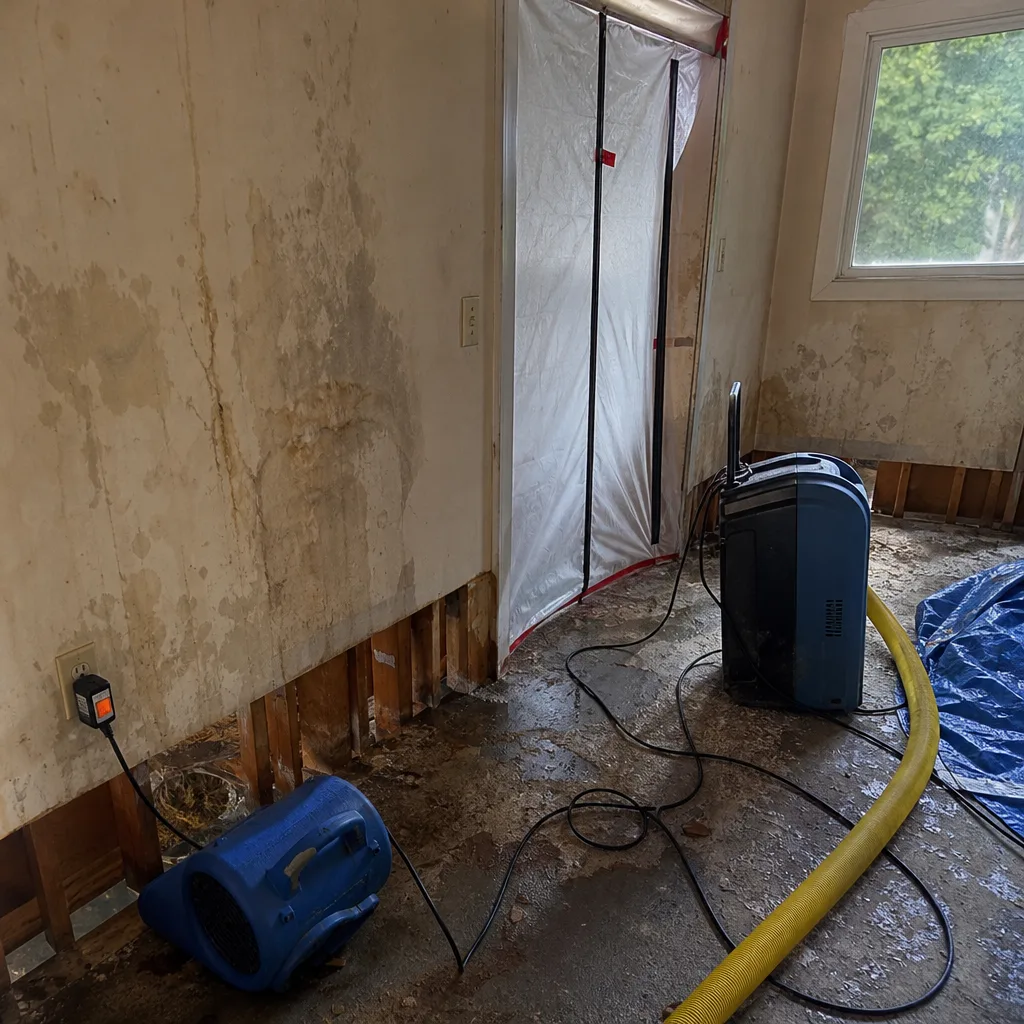 Before
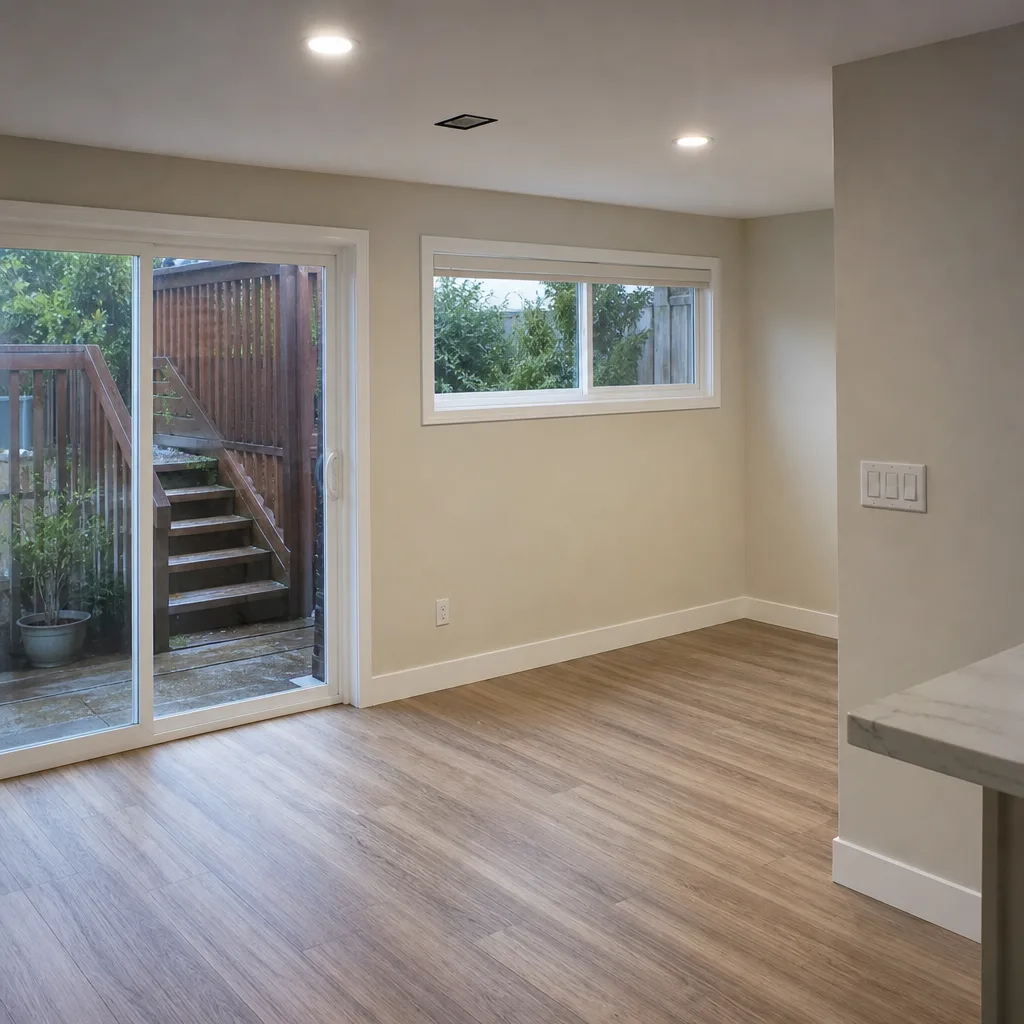 After
After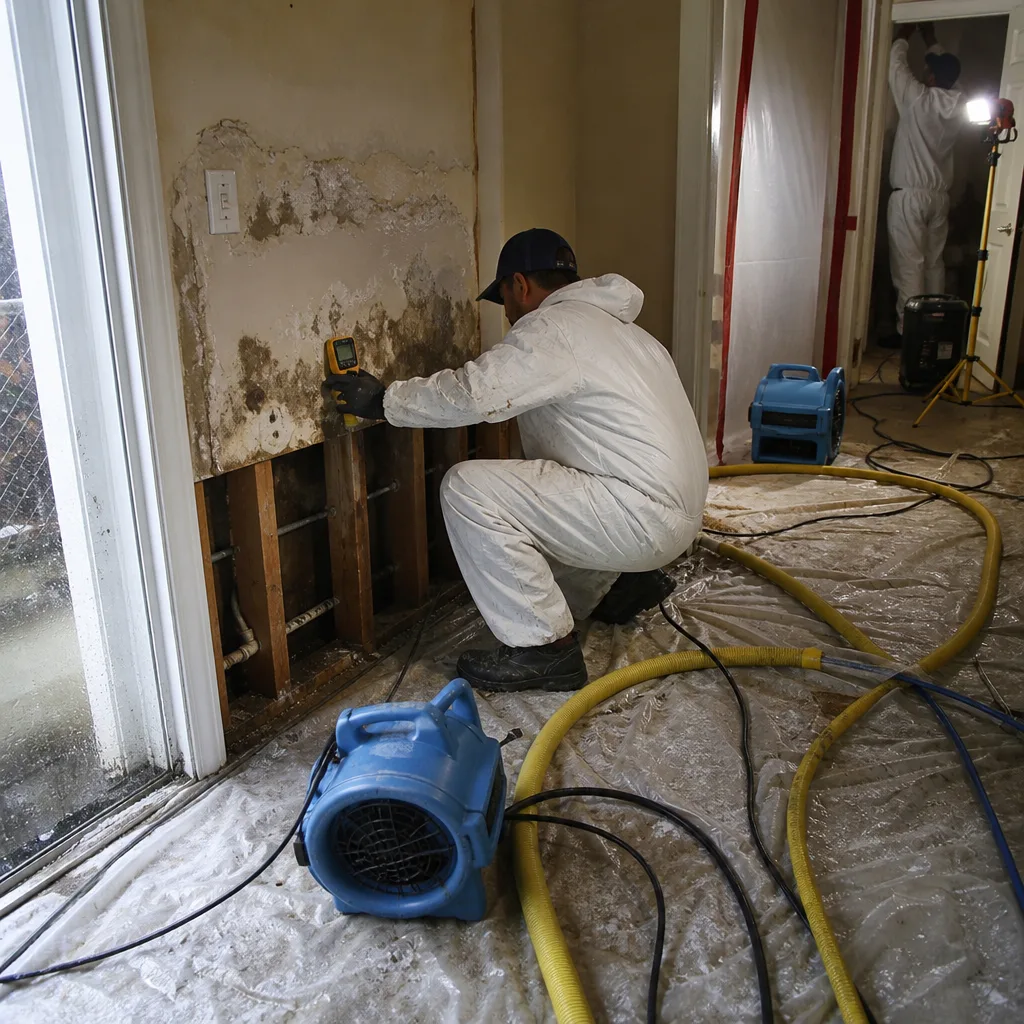 Before
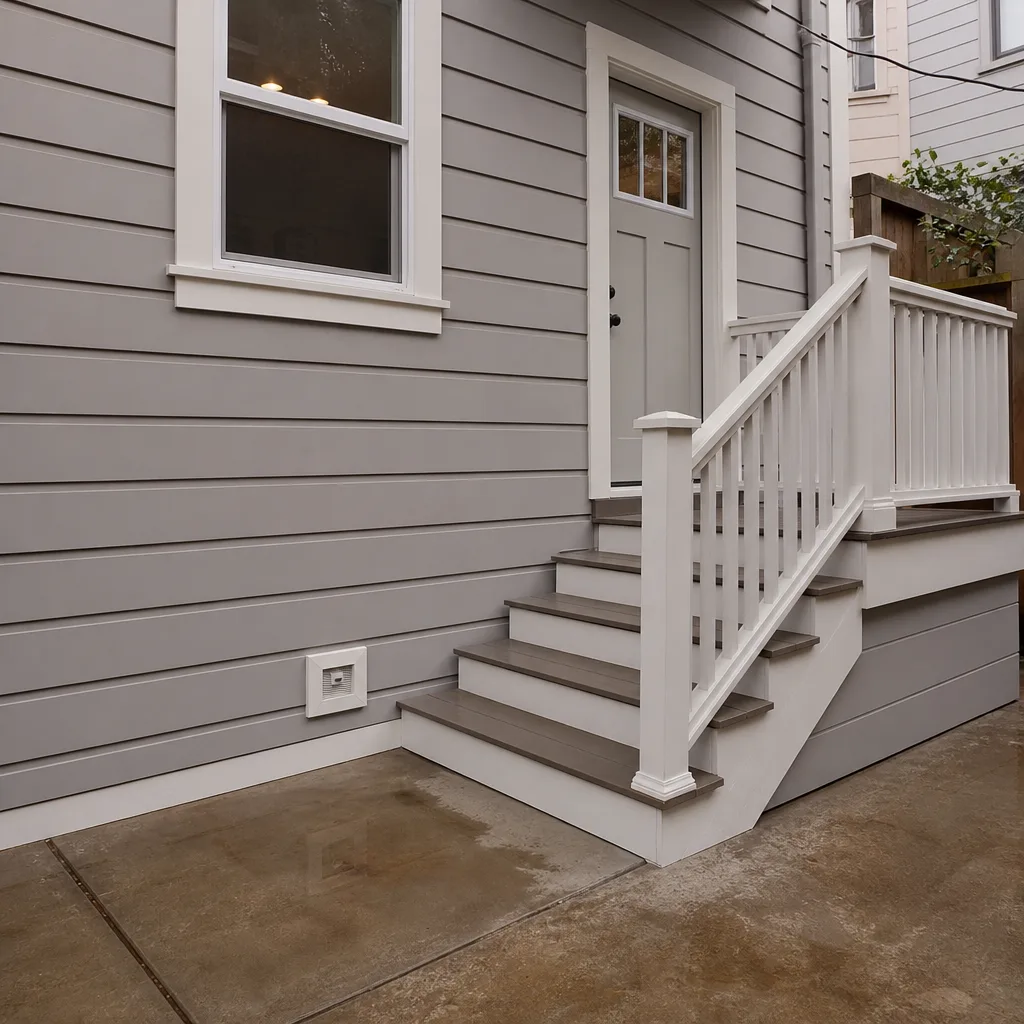 After
After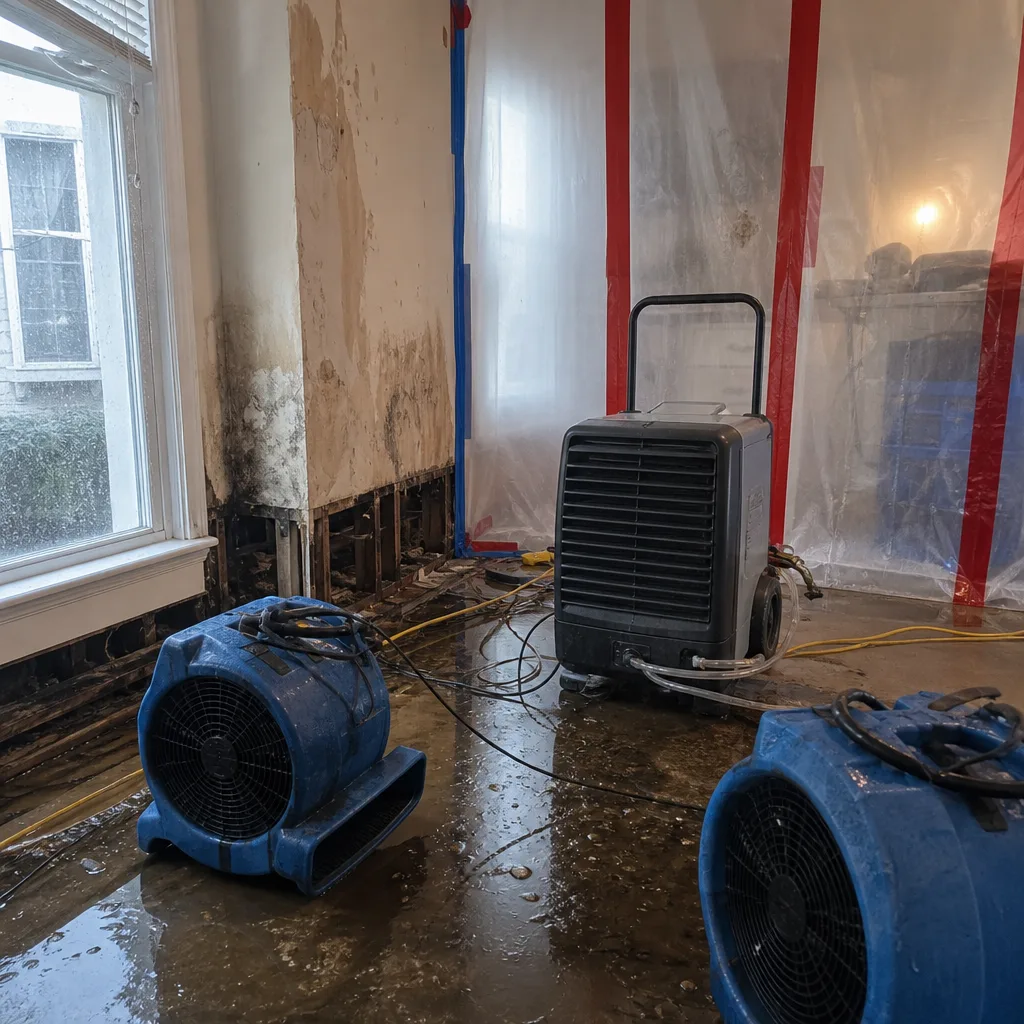 Before
 After
After