
Last updated October 16, 2026
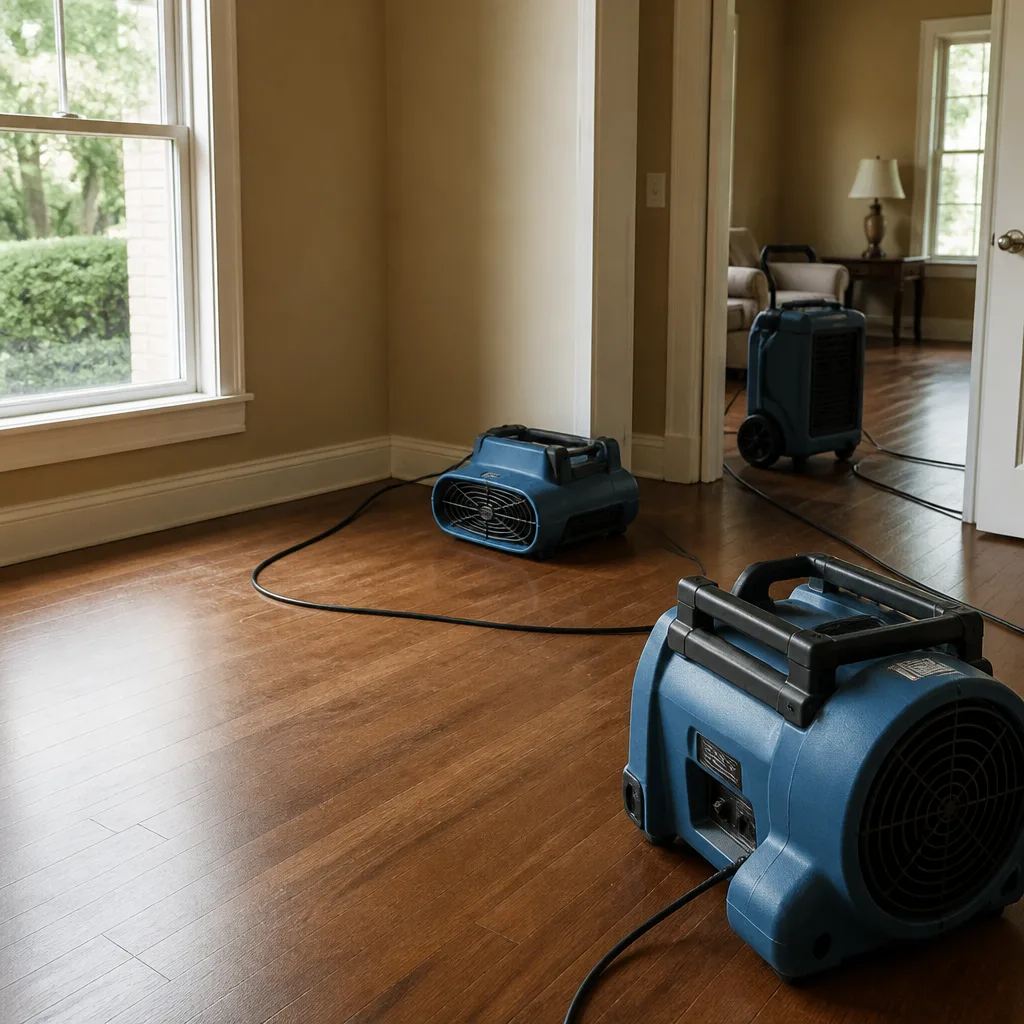 Water damage drying
 Fire & smoke cleanup
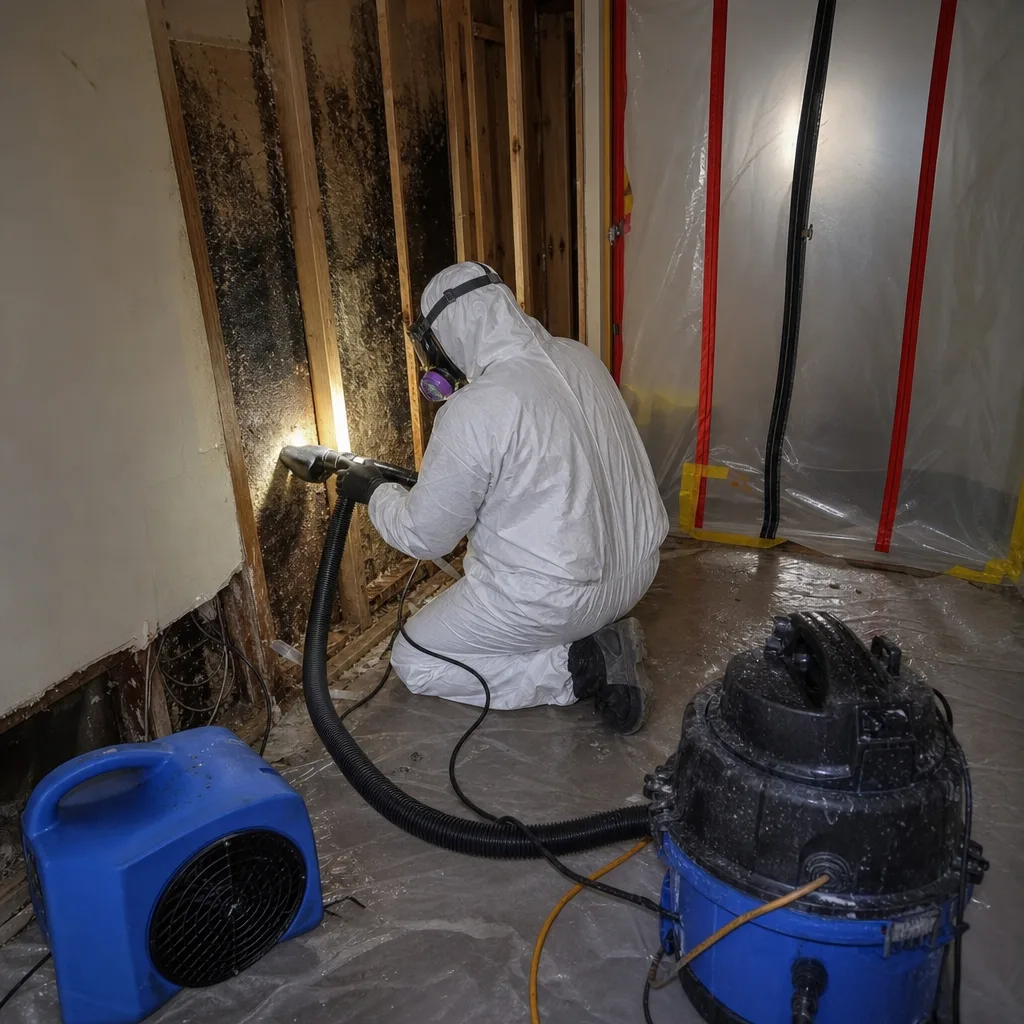
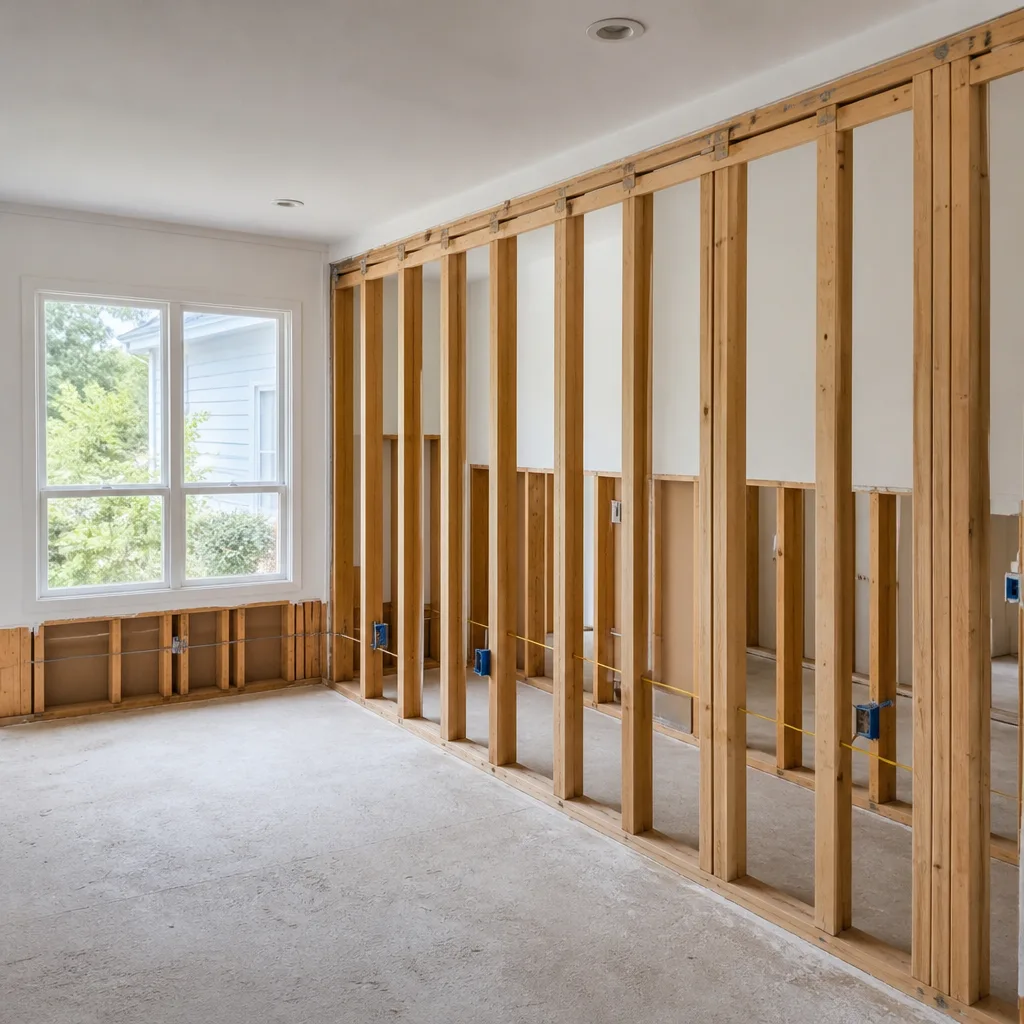 Mold remediation
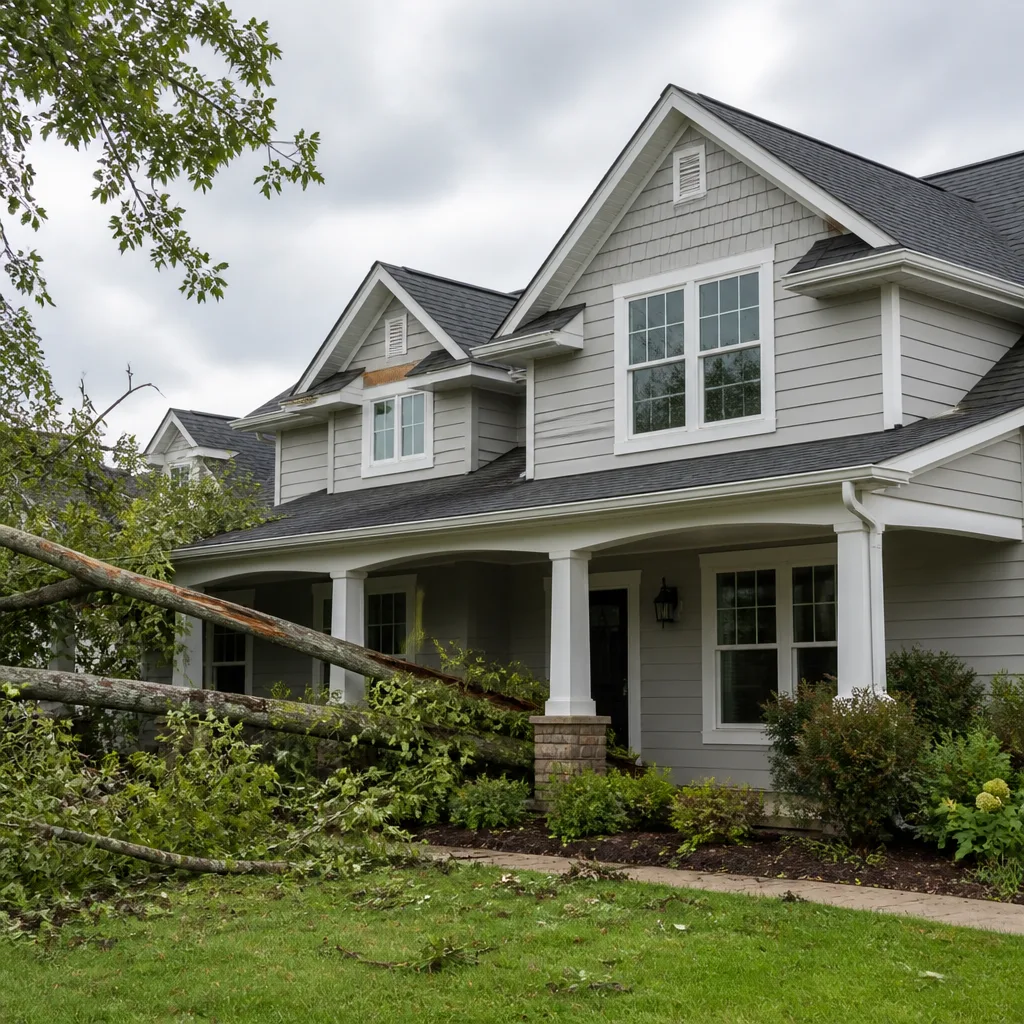 Storm response
 Sewage cleanup
 Reconstruction
Free visual inspection and a written scope of work before any mitigation begins - photos, moisture readings, and drying logs go in your claim file
The scope we write is the scope we bill. Anything new gets shown to you, in writing, before we touch it.
Get your free estimateDamage Restoration Permits, Codes & Inspections in CA: What You Need to Know
Every year in San Francisco, homeowners sign off on insurance payouts for water damage repairs that quietly bypass the city’s Department of Building Inspection. The check clears, the drywall goes back up, the paint dries, and on the surface the house looks fine. But inside the wall assembly sits work that was never inspected, never documented, and never entered into the city’s permit record. Under California Civil Code 1102, a seller who knows about a material defect and fails to disclose it can be pursued by a buyer for up to three years after the sale. A skipped permit on “non-structural” water repair is usually disclosed as nothing at all, because the seller never knew what to disclose. This guide explains exactly when San Francisco requires a permit, why that permit protects you more than the city, and how the inspection sequence becomes the documentation you’ll want at resale. For more guides & resources on protecting your home, explore our blog.
Quick Answer
In California, a restoration permit is required when work crosses from like-for-like replacement into structural repair, electrical or plumbing modification, or changes to a building’s envelope that trigger Title 24 energy compliance. In San Francisco, most water damage restoration that opens walls, replaces framing, or re-wires affected circuits will require a permit through the Department of Building Inspection. When no permit is issued and a future buyer discovers the undisclosed work, the seller faces exposure under Civil Code 1102 for up to three years after closing.
Restoration work we handle
Table of Contents
- The DBI Threshold: Like-for-Like vs. Structural Alteration
- Historic Districts: Article 10 and Article 11
- The Three-Inspection Sequence and What It Documents
- Title 24 Triggers: When Opening Walls Means Upgrade
- Discovering a Previous Owner’s Unpermitted Work
- Permits and Your Insurance Claim: What Adjusters Don’t Volunteer
- Common Mistakes to Avoid
- When to Call a Professional
The DBI Threshold: Like-for-Like vs. Structural Alteration
California Building Code Chapter 1, as adopted by San Francisco’s Department of Building Inspection, draws a line that most restoration crews would rather not talk about. Replacing damaged materials with the same materials, in the same location, performing the same function, is repair. You do not need a permit to swap out wet drywall for new drywall on a non-structural interior partition. But the moment removal exposes framing, and that framing is cut, notched, sistered, or replaced, you have crossed into alteration of a structural element. That triggers a permit in San Francisco, no matter what the insurance adjuster wrote in the scope.
Here’s where it gets concrete. A water damage claim in a Sunset District home might involve a three-foot section of bottom plate under a kitchen window. If the plate is sound and the contractor dries it in place, the work is a repair. If the plate is rotted and gets sectioned out and replaced with new lumber and Simpson ties, the work is structural. The same logic applies to any ceiling joist, floor joist, or roof rafter touched by water damage. Square footage of drywall removed matters less than what happened to the lumber underneath it.
The dollar-value threshold San Francisco uses matters too, though it is not the only test. DBI considers the scope of work, not just the price tag. A $4,000 drywall patch that involves zero framing is a repair. A $6,000 wall rebuild that includes new king studs around a window is an alteration. The permit fee is a fraction of the exposure you’re carrying if the work goes unpermitted and a future buyer’s inspector finds the evidence.
At Water Damage Restoration in San Francisco, we map the tide mark before anyone picks up a tool. We identify exactly where water traveled so the scope we price reflects what the framing actually needs, not what the visible damage suggests.
Historic Districts: Article 10 and Article 11
San Francisco’s Victorians and Edwardians live under a separate rulebook. If your home sits in an Article 10 or Article 11 historic district, or is individually landmarked, the Planning Department reviews exterior changes and certain interior work before DBI will issue a building permit. Most restoration contractors in the city do not flag this until the permit is already filed and the project stalls.
What does historic review have to do with water damage? Plenty, if the damage touched a street-facing window, an exterior wall assembly, a decorative cornice, or any character-defining feature. The Planning Department cares about preservation of historic fabric. If your water damage repair requires replacing a window that is original to an 1890s Victorian, standard practice under the Secretary of the Interior’s Standards is repair first, replacement only with documented justification. A vinyl replacement window will almost certainly be denied. A wood window matching the original profile, with a written explanation of the damage, is usually approvable.
The practical problem is timing. Historic review adds weeks to a permit process that a water-damaged home often cannot wait through. The solution is not to skip the permit. The solution is to sequence the work: temporary stabilization, moisture mitigation, and then permanent repair once the review clears. A restoration contractor who knows San Francisco’s historic preservation process will file the permit application and the preservation review in parallel, not sequentially.
This is one layer where hiring a local team matters. A franchise crew from out of town will not know what an Article 10 district is, let alone how to write a scope that survives Planning Department review. Our technicians understand the difference between a Mission District flat built in 1910 and a Marina District home built in 1935. They are not the same building, and they are not permitted the same way.
The Three-Inspection Sequence and What It Documents
Once a building permit is issued in San Francisco, the work follows a defined inspection sequence. For water damage restoration that involves opening walls and exposing framing, the sequence is typically rough framing, insulation, and final. Each inspection requires the work to be visible, meaning the inspector must see the framing before insulation goes in, the insulation before drywall covers it, and the finished assembly before occupancy resumes.
The value of these inspections goes far beyond code compliance. Each sign-off becomes a dated, recorded document that says: this specific area of this specific house was opened, dried, repaired to code, and closed under permit. When you refinance, renew insurance, or sell, that record answers questions before they get asked. No adjuster, underwriter, or buyer’s inspector can turn an unpermitted repair into a negotiation chip.
Here is the sequence in order:
- Rough framing inspection: The inspector checks that new lumber is the correct species and grade, that connections and fasteners meet code, and that any structural repair is properly tied into the existing framing. This is when an inspector will catch the contractor who used the wrong Simpson connector or left a joist unsupported.
- Insulation inspection: The inspector verifies that insulation meets the required R-value for the climate zone and that it is installed with the vapor barrier facing the correct direction. This inspection is also where Title 24 compliance is documented.
- Final inspection: The inspector walks the finished repair, checks that all work covered by the permit is complete, and signs off. This final sign-off closes the permit and becomes the permanent record.
Every inspection is a documentation event. The homeowner who keeps these records has something the homeowner who skipped the permit cannot obtain: proof of a dry, code-compliant repair that a third party verified.
Title 24 Triggers: When Opening Walls Means Upgrade
California’s Title 24 energy code has a rule that surprises many homeowners: if you open a wall cavity, you may be required to bring the insulation in that cavity up to current code. The trigger is based on the extent of the wall area exposed and modified. San Francisco enforces this through DBI plan review, and inspectors will ask about insulation at the insulation inspection.
The practical effect: a water damage repair that opens a 20-square-foot section of exterior wall in a 1920s San Francisco home may trigger a requirement to install R-21 insulation in that cavity (San Francisco is Climate Zone 3), up from whatever the house had before, which in many older homes is nothing at all. The upgrade is not free, but it is usually modest, and it lowers heating costs in a city with a famously damp, cool climate.
There is an exemption pathway worth knowing about. Title 24 includes an exception for repairs that are limited to patching damaged areas where the total wall area opened is below a threshold the code defines by percentage of the wall’s surface. The exemption is documented in the permit application with a note from the contractor or a simple plan annotation. If you do not document it, the default assumption is that the upgrade applies.
In our experience, the insulation requirement is one of the most common reasons homeowners are surprised by a change order mid-project. A written scope should address Title 24 before work starts, not after the wall is open. That is why we write the price before the work begins, with the compliance path stated in plain language.
Discovering a Previous Owner’s Unpermitted Work
The worst moment to discover unpermitted work is when you’re standing in a pool of water. Your restoration crew opens a wall and finds that a previous owner framed a new bathroom with no permit, used undersized joists, and buried the evidence behind drywall. Now you have two problems: the current water damage and the pre-existing unpermitted condition.
San Francisco has a retroactive permit process through DBI. It is not designed to punish current homeowners for past owners’ decisions, though it can be slow. The process is:
- Stop work on the affected area until the extent of the unpermitted work is documented with photographs and measurements.
- File a building permit application describing the unpermitted work as existing, including a plan that shows what was built and what needs to be brought up to code.
- Schedule a DBI inspection of the existing condition. The inspector will identify what requires correction.
- Complete the corrections and call for the inspections required for the new permit. These will include rough framing, insulation where applicable, and final.
- Close the permit and retain the record. That record converts an undisclosed defect into a disclosed, corrected, documented condition.
The temptation is to simply repair the water damage and close the wall back up. The risk is that you have now compounded one unpermitted condition with another, and your disclosure obligation under Civil Code 1102 extends to what you know and what a reasonable inspection would have shown. A buyer who later discovers the work has three years to pursue you. A retroactive permit, even a slow one, collapses that exposure.
Permits and Your Insurance Claim: What Adjusters Don’t Volunteer
Insurance policies in California generally include building permit fees as a covered cost under the dwelling coverage, in the same way they cover demolition and debris removal. What adjusters often do not mention is that the permit itself, and the inspection records it produces, become evidence for the claim file.
A documented inspection sequence does two things for your insurance position. First, it proves the repair was completed to code, which matters if a future claim arises in the same area. An insurer looking at a second water loss in the same wall will ask whether the first repair was permitted and inspected. If the answer is no, expect resistance on the second claim. Second, it supports your underwriting file when the policy renews. A home with a history of documented, code-compliant restoration is a better underwriting risk than a home with unknown work inside the walls.
Photo documentation matters here too, and not just for the permit file. We take photos of every stage: the open wall, the dried framing, the insulation in place, the finished repair. Those photos go to you, and they go to your adjuster when you choose. They are the difference between a claim that gets paid promptly and one that gets nickled and dimed during final review.
If you’re inside a water loss right now and wondering whether your specific damage needs a permit, the fastest way to get an answer is to call someone who walks San Francisco properties every day. Our team at Tidemark answers the phone 24/7, and we will tell you honestly whether your job triggers a permit. Call (831) 400-3496 and ask for Rick. Estimates are free, and the written price comes before any work starts.
Common Mistakes to Avoid
- Treating “non-structural” as a magic word. The insurance adjuster’s scope note that says “non-structural” describes what the adjuster is willing to pay for, not what the building code requires. If the actual repair touches framing, DBI does not care what the adjuster called it.
- Letting a contractor talk you out of a permit. A contractor who says “we can handle it without pulling a permit, it’ll save you time and money” is shifting risk onto you. The contractor walks away. You own the undisclosed defect.
- Closing the wall before the insulation inspection. Once drywall covers the cavity, the inspector cannot see the insulation or the framing. The inspector will require you to open it back up. This is a costly, avoidable delay.
- Ignoring historic district review before filing. In Article 10 and Article 11 districts, a permit application that should have included preservation review will stall at DBI. Start the preservation paperwork the same week you file.
- Assuming your insurance adjuster will flag permit requirements. The adjuster’s job is to settle a claim. Your building’s long-term code compliance is not their problem. It’s yours.
- Patching over a previous owner’s unpermitted work. Every homeowner who patches over unpermitted work inherits it as their own disclosure obligation. Document it, correct it, close it with DBI.
- Not keeping the inspection record after the final sign-off. The final inspection card is one of the most valuable pieces of paper in a San Francisco home. Store it with your deed documents, not in a drawer that gets tossed.
We see these mistakes on roughly one in five San Francisco water damage jobs when we arrive as the second opinion. The pattern is consistent: a contractor who promised speed, an adjuster who said the permit was optional, and a homeowner who is now three weeks into a repair with no permit record and no inspection plan. The fix is rarely cheap, but it is always cheaper than the resale liability it resolves.
When to Call a Professional
Call a restoration professional when the water damage has opened a wall or ceiling, when framing is visible or suspected to be wet, or when the damage touches an exterior wall in a historic district. Not sure what to look for? Read our Damage Restoration Warning Signs: A San Francisco Homeowner’s Reference Guide first. Call when the insurance adjuster’s scope does not mention a permit and you are unsure whether one is required. Call when you discover unpermitted work from a previous owner. And call before you sign any release that closes out a claim. A contractor who understands San Francisco’s permit process will spot issues in the first walkthrough that others miss entirely.
Tidemark Water Damage San Francisco is independently owned and operated, working to the Cedarwell Care Promise. We’ve been walking San Francisco properties since 2006, led by Rick Sumner. Our technicians are IICRC-, RIA-, and IFA-credentialed, and we work with professional-grade drying equipment from Dri-Eaz, Phoenix, XPOWER, B-Air, and Injectidry. Every job starts with a written price before any work begins. Call (831) 400-3496 for a free estimate.
See the difference
 Before
 After
After Before
 After
After Before
 After
AfterFrequently Asked Questions
A permit is required when the restoration work alters structural elements like framing, joists, or plates, or when electrical, plumbing, or mechanical systems are modified. Replacing drywall, insulation, or baseboards with identical materials in the same location is generally treated as repair and does not require a permit. If you’re unsure, call (831) 400-3496 for an honest assessment.
Permit costs in San Francisco are calculated on the size, type, and complexity of the work, and DBI publishes a fee schedule that applies to water damage restoration projects. The permit fee is a small fraction of the total project cost and is often covered as part of the dwelling coverage in your insurance policy. Call DBI directly for the current fee schedule for your project type.
Most California homeowners insurance policies cover building permit fees and inspection costs as part of the dwelling coverage limit, provided the underlying damage is a covered peril. This means the permit and its associated inspections are generally reimbursable expenses on your claim. Check your specific declarations page or ask your adjuster to confirm.
Under California Civil Code 1102, a seller who knows about a material defect and fails to disclose it can be pursued by the buyer for up to three years after the sale. Unpermitted repair work, particularly structural repair, is a material fact that must be disclosed. The exposure is a clawback of sale proceeds and legal costs. A retroactive permit through DBI is the standard fix.
A retroactive permit through DBI typically takes four to twelve weeks depending on the scope, the inspector’s availability, and whether corrections are required. The process is slower than a standard permit because the existing work must be evaluated before the new permit is issued. In our experience, the delay is always preferable to selling an undisclosed defect.
Interior water damage repairs in Article 10 and Article 11 historic districts generally require preservation review only when the work affects character-defining features, exterior elements, or the building envelope. For a typical interior wall repair that does not touch the exterior or original fabric, standard building permit review applies. The Planning Department is the authority on what requires preservation review.
The Bottom Line
The permit question in California water damage restoration is not really a question for the city. It’s a question about what you want your own disclosure statement to say at resale. Unpermitted restoration work becomes an undisclosed material defect under Civil Code 1102, and it surfaces at exactly the wrong moment: during the sale, when the buyer’s inspector opens a wall and finds the evidence. San Francisco’s permit process, from the DBI threshold through the three-inspection sequence, is the documentation that protects you. For specific guidance on your property, visit Tidemark Water Damage San Francisco home or review our Mold Remediation in San Francisco and Fire Damage Restoration in San Francisco services. Call (831) 400-3496 for a free estimate before signing anything.
Written by Rick Sumner, Owner at Tidemark Water Damage San Francisco, serving San Francisco since 2006.