
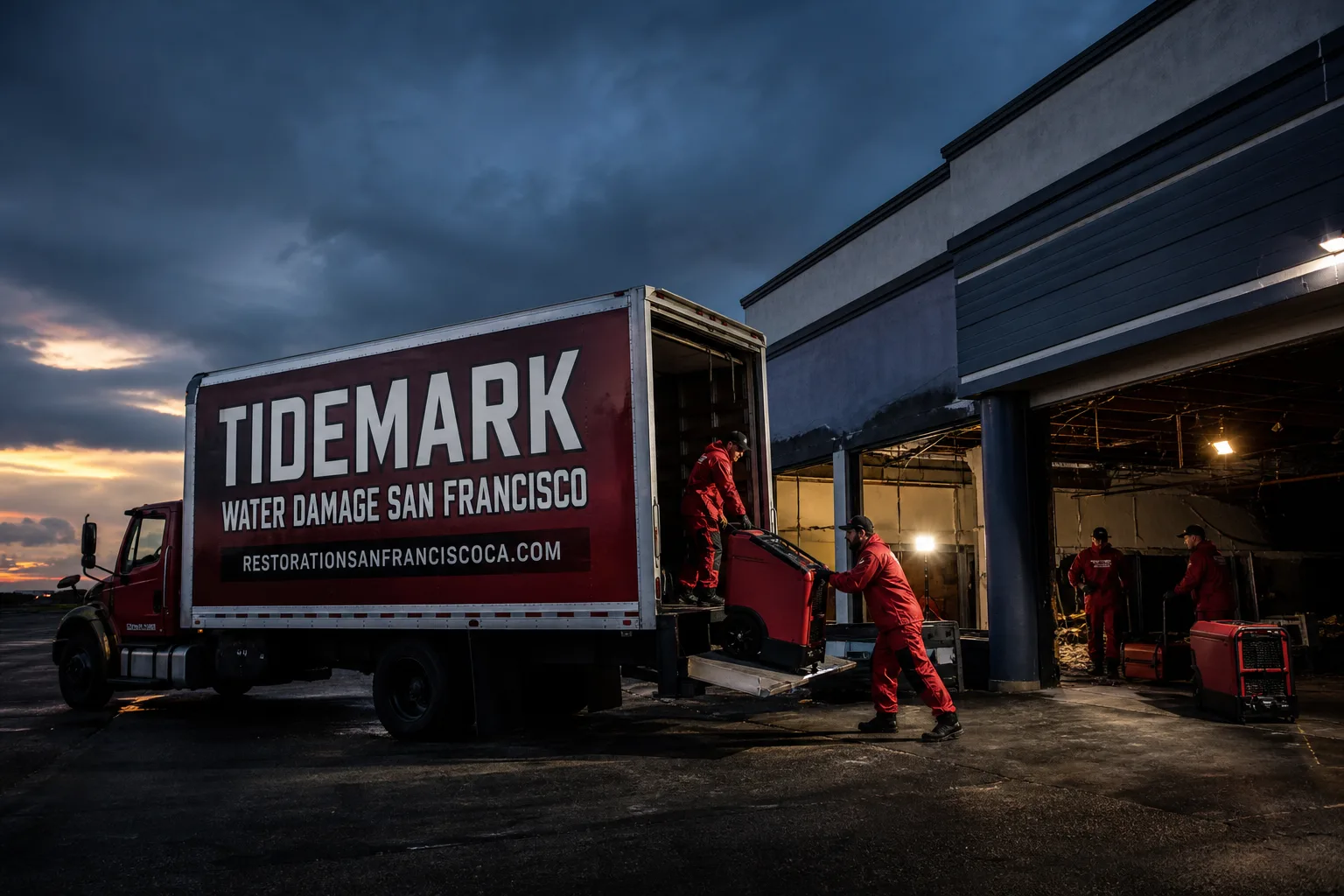
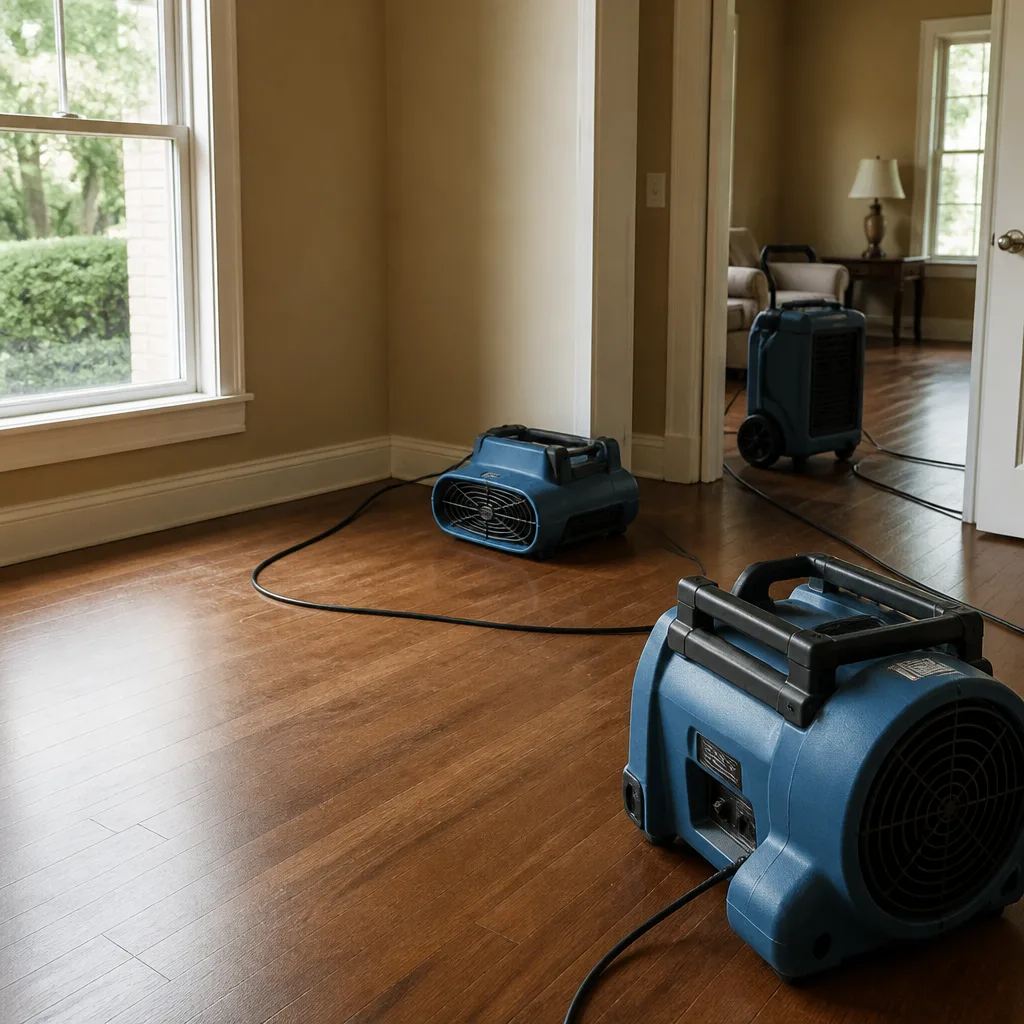
 Water damage drying
 Fire & smoke cleanup
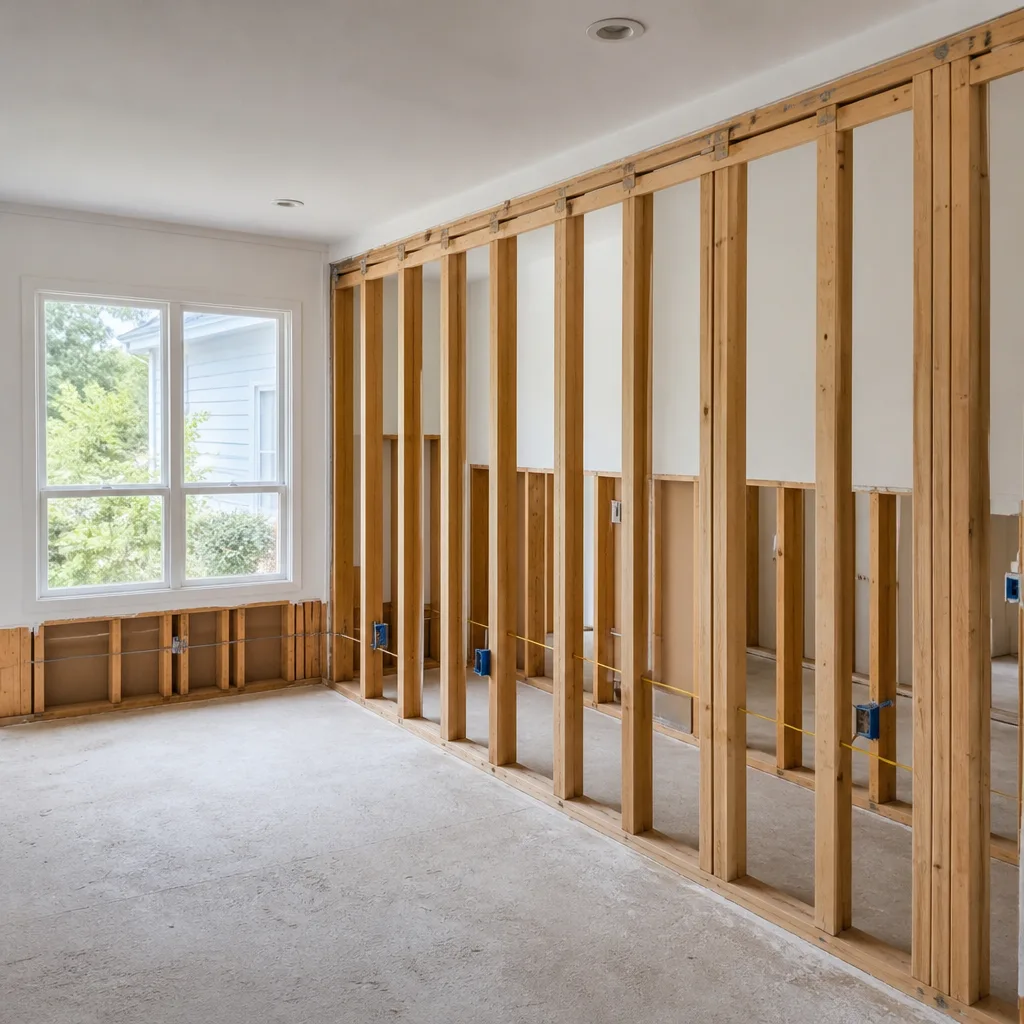 Mold remediation
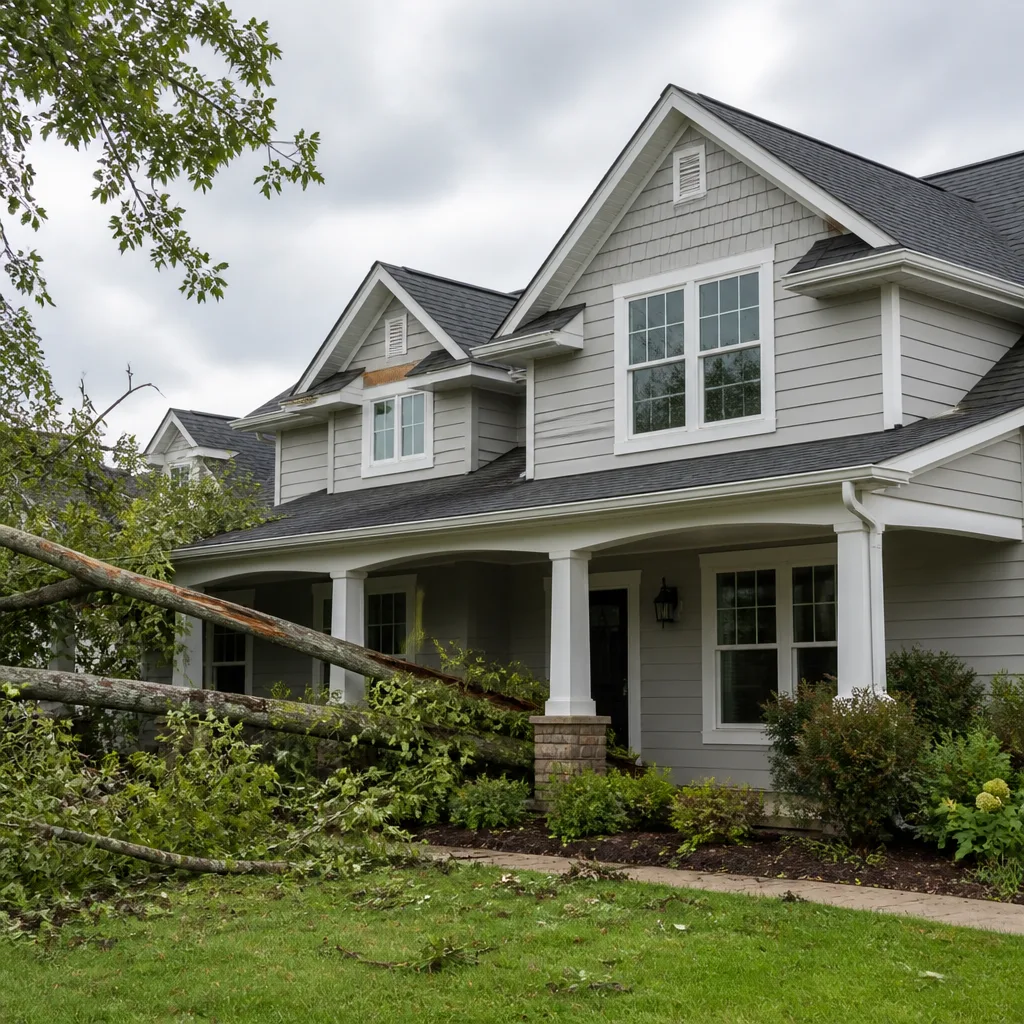 Storm response
 Sewage cleanup
 Reconstruction
Free visual inspection and a written scope of work before any mitigation begins - photos, moisture readings, and drying logs go in your claim file
The scope we write is the scope we bill. Anything new gets shown to you, in writing, before we touch it.
Get your free estimateFast, Reliable Water Damage Restoration Across San Francisco
Water damage restoration in San Francisco typically costs between $2,400 and $6,800 for a standard single-pipe burst in a wood-frame flat, and most emergency extraction teams can reach any neighborhood within 45 to 90 minutes. That’s the honest range we quote over the phone before a technician ever rings your doorbell. If you’re standing in water right now in the Richmond, Noe Valley, or Bernal Heights, call (831) 400-3496 and a live person will answer, day or night. We’re Tidemark Water Damage San Francisco, part of the Cedarwell Care Promise network, and we work exclusively in this city’s pre-1940 housing stock, where lath-and-plaster walls and shared framing change everything about how a water loss gets handled.
Why Tidemark Water Damage San Francisco Is San Francisco’s Preferred Water Damage Restoration Company
Most restoration companies in the Bay Area treat a Sunset District Edwardian the same way they’d treat a stucco ranch in Tracy. That doesn’t work here. A tide mark is the line water leaves on a wall, and it’s the first thing our technicians look for on every job because in San Francisco, water doesn’t just pool. It travels through common framing, wicks up plaster, and hides behind original baseboards for days before anyone notices. Our Water Damage Restoration crews carry thermal imaging cameras and moisture meters calibrated for dense old-growth lumber, which reads differently than modern kiln-dried framing.
Rick Sumner leads our San Francisco team, and he’s spent nearly two decades drying out Victorians, Edwardians, and the occasional 1950s Sunset box house. Every technician who walks through your door is background-checked, uniformed, and carries IICRC, RIA, and IFA credentials. Shoe covers go on at the door. Drop cloths cover the floor before the first piece of equipment comes in. And a photo of the clean-up is taken and shared before the crew leaves, so you see exactly what was done and how it was left. That’s not an upsell. It’s the standard, on every job, including every Water Damage Restoration in San Francisco project we take on.
Restoration work we handle
Water Damage Repair in San Francisco
Water Damage Repair in San Francisco usually means something specific: the leak is stopped, the standing water is gone, and now you’re looking at what’s left. In a 1920s Marina flat, that might be a saturated lath-and-plaster wall that’s lost its key. In a Portola home, it might be a hardwood floor cupping over a wet crawl space. Repair is the part where we remove only what can’t be dried, then rebuild it to match the original profile. Most repair-only jobs after a Category 1 clean-water leak in San Francisco run $1,800 to $4,200, depending on how far the water wicked through old framing.
The written price comes before any work starts. Always. You’ll see the line items for demolition, drying, and rebuild before we touch a wall. If the scope changes because we find something the moisture meter didn’t predict on day one, you approve the change in writing before we proceed.
Plaster and Lath Repair After a Leak
San Francisco’s pre-war walls are almost always lath-and-plaster, not drywall. That plaster often contains horsehair or fiber binders and is keyed into wood lath strips. When a supply line fails inside a wall, the plaster can lose its bond and sag within 48 hours. We dry the cavity first, then re-key or patch the plaster rather than defaulting to drywall replacement, which keeps the original wall thickness and sound isolation intact.
Hardwood Floor Drying and Replacement
Most original San Francisco floors are solid oak or fir, and they cup when wet. We use a combination of in-place drying mats and targeted dehumidification before deciding what comes out. If a section of flooring is beyond saving, we source reclaimed or locally milled material that matches the age and grade of the original. On jobs in Noe Valley and Glen Park, that often means preserving the existing perimeter boards and weaving in new material only where the water actually reached.
Water Mitigation in San Francisco
Water Mitigation in San Francisco is the emergency half of the job: stop the source, extract standing water, set up containment and drying equipment, and document everything before secondary damage sets in. In a city where fog keeps interior humidity around 70% most of the year, you can’t just open windows and hope. We bring in professional-grade dehumidifiers from Dri-Eaz, Phoenix, and XPOWER, plus Injectidry systems for wall-cavity and under-cabinet drying. Most mitigation-only jobs, including extraction and three to five days of equipment, run $2,800 to $5,500 in San Francisco. You’ll see the written number before we start.
Mitigation is also where the neighbor situation comes up. In a shared-wall Victorian, a slow leak in one unit wicks through the common framing into the next unit within hours. We coordinate containment and access across both addresses, document what was wet in each unit, and write separate scopes so each owner’s insurer sees exactly what happened where. The goal is to dry past the tide mark, not just to where the floor feels dry on top.
Containment and Air Filtration
Older homes carry older dust, and when you open a wall, you don’t want that migrating through the house. We set up plastic containment barriers and run HEPA air scrubbers in the work zone, especially when there are children or pets in the home. We also use pet-safe drying agents where there is a choice, and lower-decibel settings during school hours and nap time when the job allows.
Moisture Mapping and Documentation
We map every affected surface with moisture meters and thermal imaging, then photograph the readings before and after drying. That documentation goes directly to your adjuster and is part of the written scope you approve. If your insurer asks why a wall was opened or a section of flooring was removed, the photos and readings answer that question without a phone call. Direct adjuster coordination is standard on every San Francisco job we handle, and it costs you nothing extra.
Trusted Brands We Service in San Francisco
We work on damage from every major plumbing fixture, appliance, and water-supply brand you’ll find in San Francisco homes, including Rheem and Bradford White water heaters, Kohler and Moen supply lines, Whirlpool and LG laundry machines, and AO Smith circulation pumps. Because we stock common fittings and drying equipment locally, we don’t wait on parts from a regional warehouse. We can frequently begin drying the same day, even when a specialty valve or supply-line fitting needs to be ordered for the repair phase.
See the difference
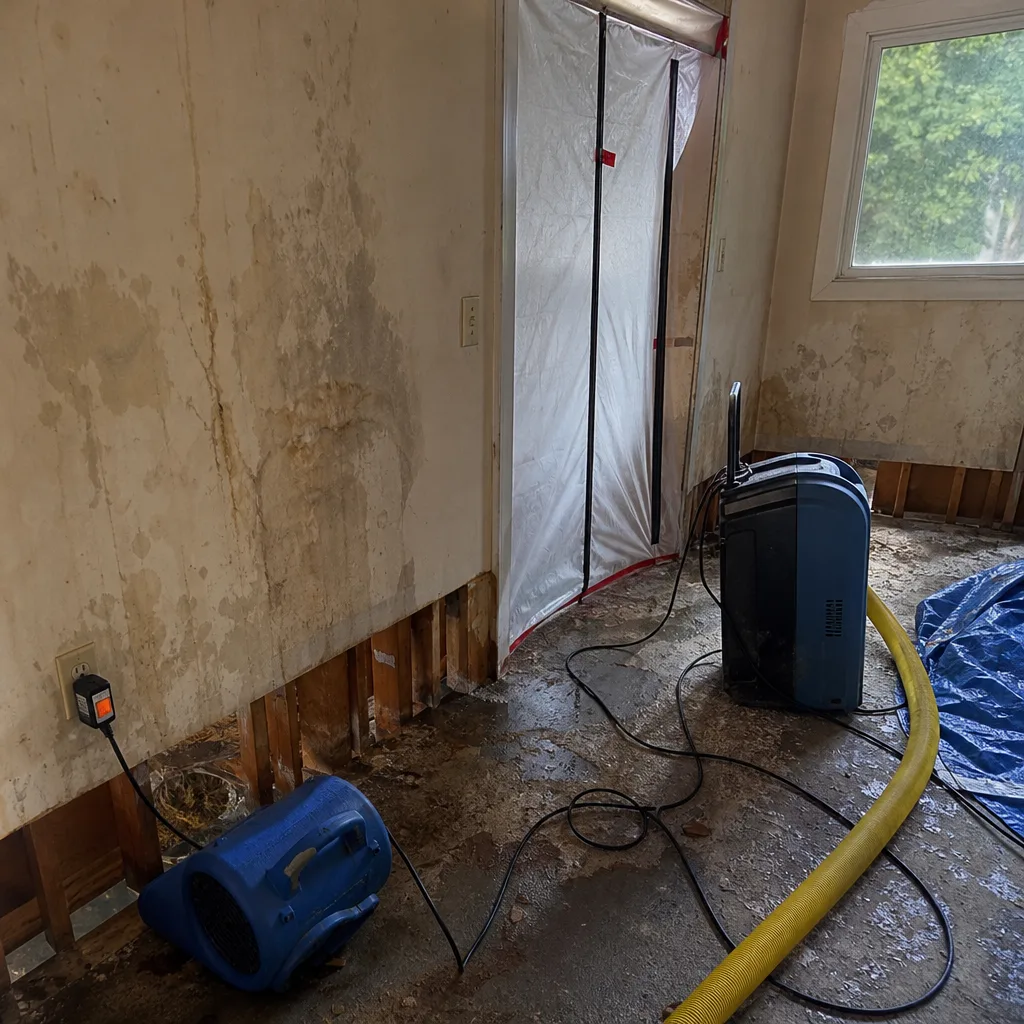 Before
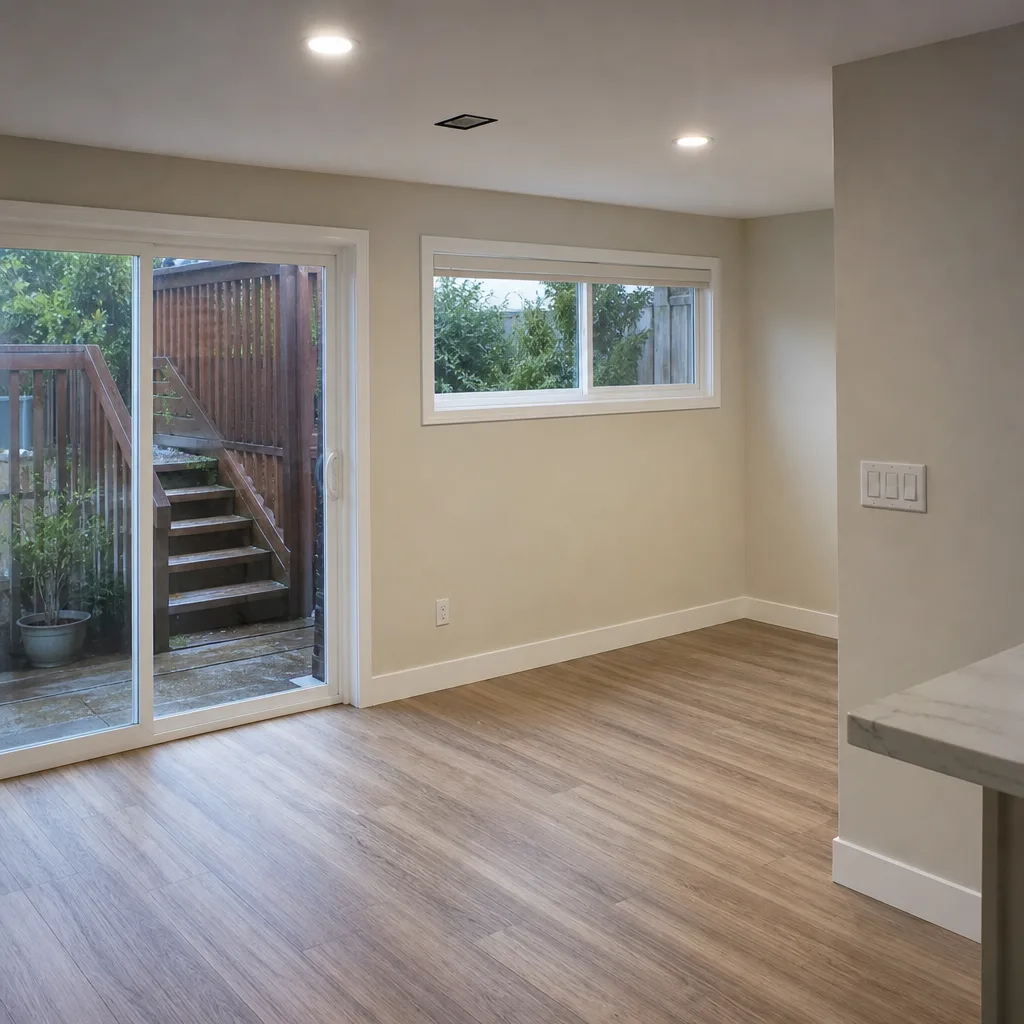 After
After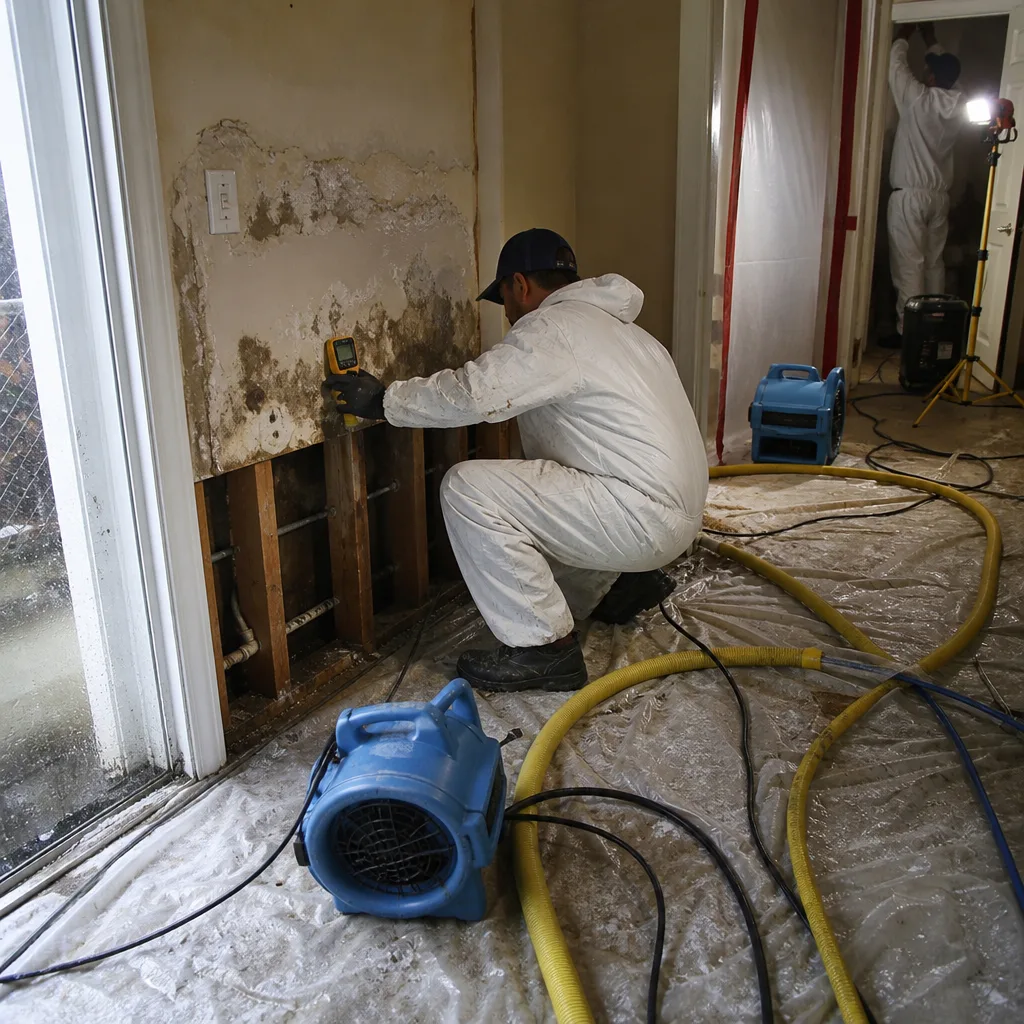 Before
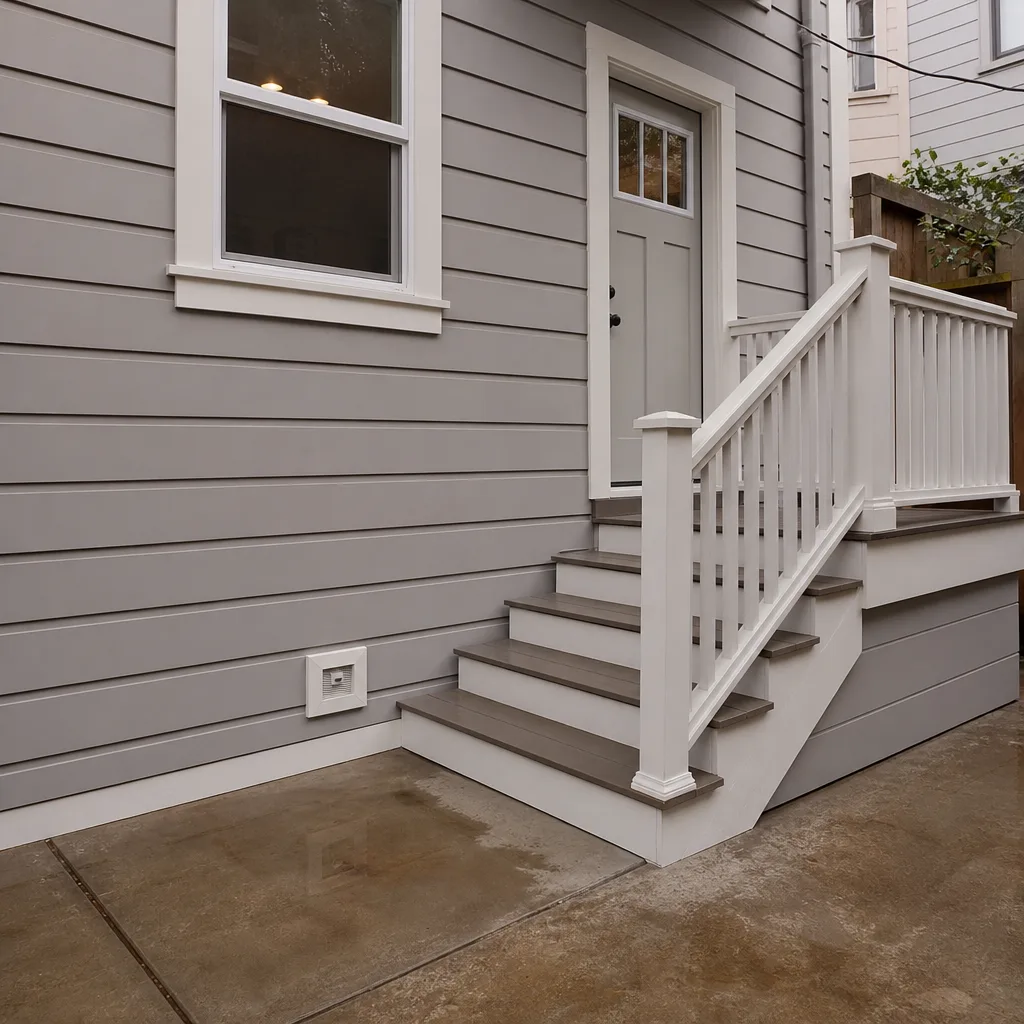 After
After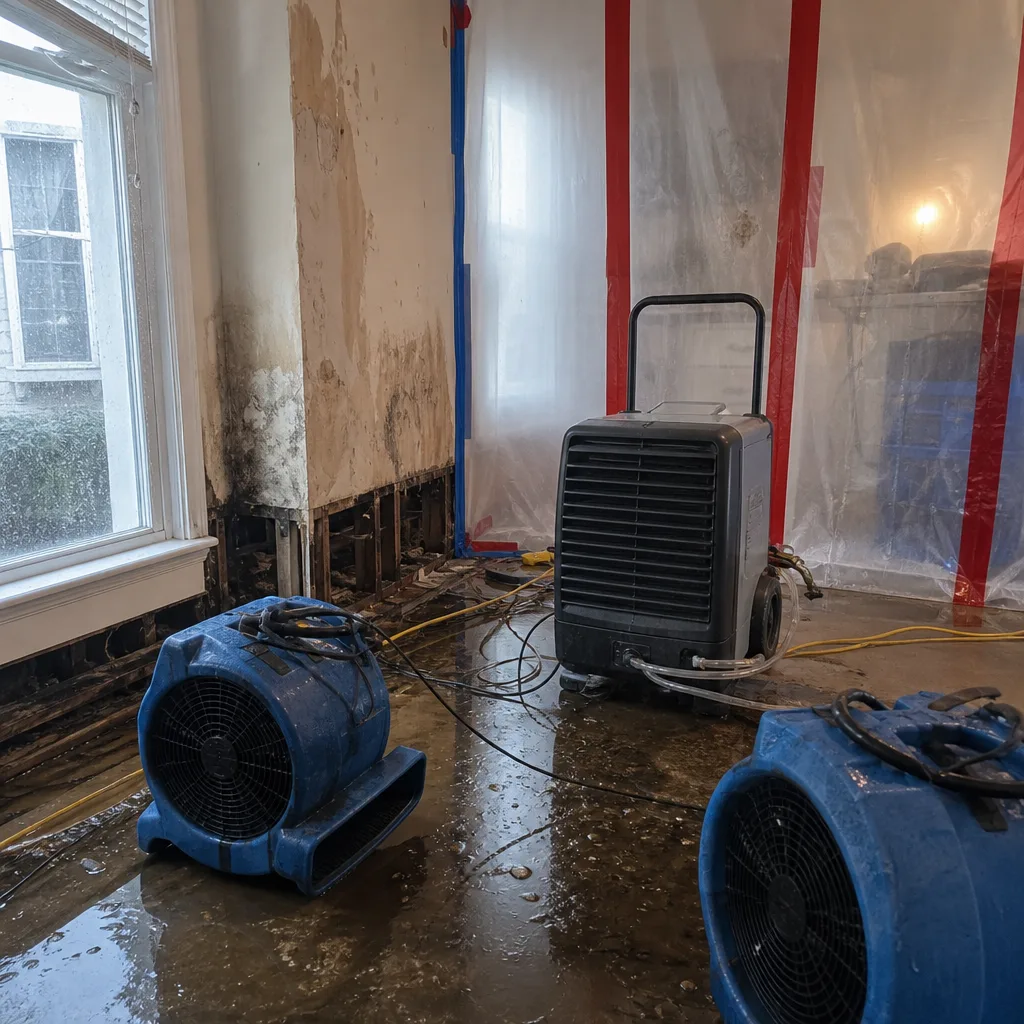 Before
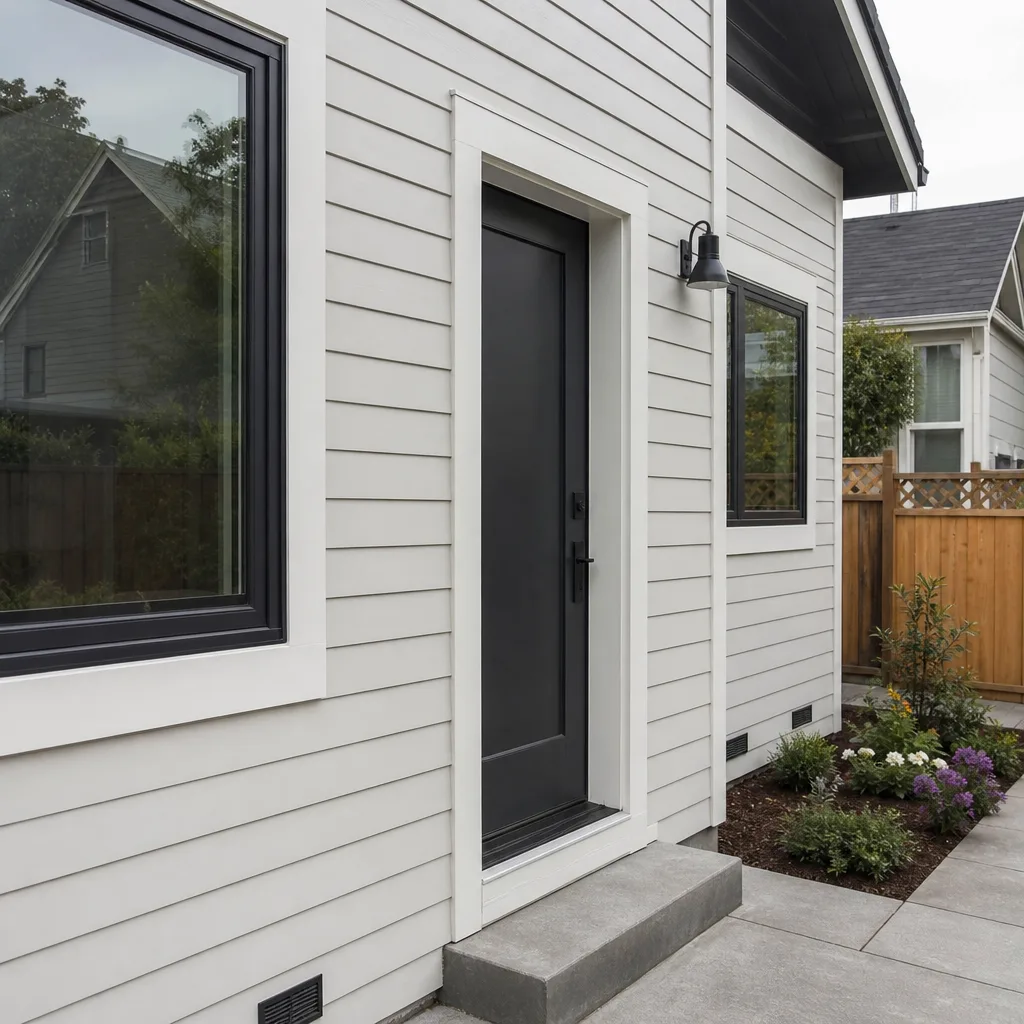 After
AfterCommon Water Damage Restoration Problems We See in San Francisco Homes
- Shared-wall migration in Victorians and Edwardians: A slow Category 2 leak in one unit wicks through common sill plates and rim joists into the neighboring unit, which often shows no visible water on its side for days. We map both sides before writing a drying plan.
- Garage and ground-floor rot in the Sunset and Richmond districts: Many garages and ground floors out there have no vapor barrier under the slab. A minor supply-line leak soaks the bottom plates, and dry rot sets in before the floor above even shows a stain. The garage door jamb pulling loose is usually the first sign.
- Undetected leaks behind lath-and-plaster: Fog-fed moisture plus a minor pipe leak in an 80-year-old wall goes unnoticed until the sill plate is compromised and the floor framing sags. Structural drying alone won’t fix what’s already rotted; those sections need to be replaced before drying equipment even makes sense.
- Historic preservation constraints: San Francisco has over 7,000 individually listed historic resources, plus many more in Article 10 districts. When a protected property has water damage, we dry in place wherever possible and preserve original plaster, trim, and millwork before opening anything that requires a permit review.
Pricing for Water Damage Restoration in San Francisco, CA
San Francisco pricing is higher than what you’ll find in Daly City or South San Francisco, mostly because the housing is older, the access is tighter, and the preservation requirements are real. Emergency extraction and containment for a single-room Category 1 loss typically runs $2,400 to $4,100. A full mitigation plus repair on a shared-wall Victorian where water reached two units can run $6,500 to $14,000, depending on whether original plaster and flooring can be saved. Category 2 water from a toilet or washing machine overflow pushes costs up by 30% to 50% because more material gets removed and replaced. Every job includes a written price before work starts, so the number you approve is the number you pay. Call (831) 400-3496 for a free estimate, and we’ll give you a real range over the phone, not a callback.
We Also Serve Cities Near San Francisco
While this page is about San Francisco, our crews also handle water damage restoration in Daly City, South San Francisco, Alameda, and Berkeley. If you own a rental property near the Daly City border or a family home in Alameda, the same written-price-first standard and 365-Day Done Right Promise apply. We don’t split service areas by crew quality.
Serving San Francisco, CA - Our Local Coverage Area
We’re based in the San Francisco area and know this community well. Use the map below to see our service coverage - if you’re nearby, we can almost certainly help.
FAQs About Water Damage Restoration in San Francisco
Water can migrate through common wood framing into an adjacent unit within 4 to 6 hours when the leak is under pressure. In a pre-1940 Victorian, the sill plates and rim joists run continuously across unit lines, so there’s no fireblock or separation at the wall to slow the water down. Call (831) 400-3496 the moment you suspect a leak; the sooner we map the migration path, the less ends up in the neighbor’s closet.
Not always, but often more than homeowners expect. Water that soaks a bare slab and sits for more than 48 hours will wick up into the sill and bottom plate lumber, which can’t be reliably dried once fungal rot begins. If the wood is merely wet, in-place drying with Injectidry systems can save it. If it’s soft or the garage door jamb has pulled loose, those plates come out and get replaced. We’ll show you the moisture readings before any decision.
Category 1 comes from a clean source like a supply line or a tub overflow. Category 2 contains significant contamination, typically from a toilet overflow without solids or a washing machine discharge that sat for more than a day. Category 2 almost always means more removal: carpet and pad always go, baseboards often come off, and affected plaster gets assessed for contaminants. The written scope reflects the category, which is determined on site before we touch anything.
Because older homes hold more than water. When a leak soaks through plaster and reaches stored clothing, books, or upholstered furniture, those items absorb moisture and can develop odor within days, even after the room itself dries. We pack out affected contents, inventory them with photos, clean them at our facility, and return them once the structure is dry and the air is clean. You approve the pack-out list in writing before anything leaves the house.
Yes, and in most cases we prefer in-place drying for historic properties because it avoids triggering a preservation review. We use the Injectidry compression system to move air through wall cavities behind original plaster, and we monitor progress with daily moisture readings until the wood reaches its dry standard. If your building is individually listed under Article 10, we’ll coordinate with your property manager or preservation consultant before any wall is opened. Call (831) 400-3496 and ask for Rick Sumner to walk through the specifics for your building.
Written by Rick Sumner, Owner at Tidemark Water Damage San Francisco, serving San Francisco since 2006.