
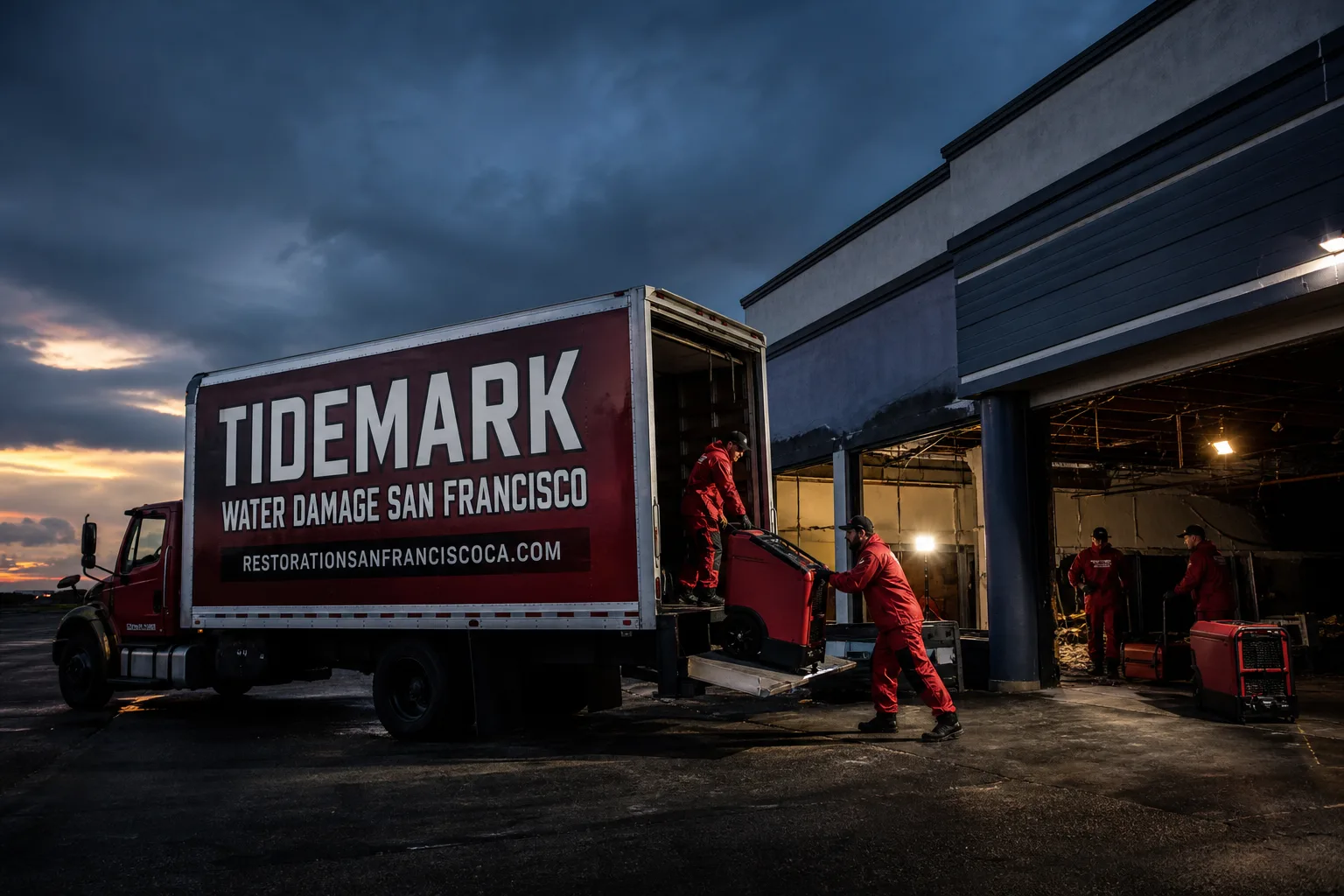
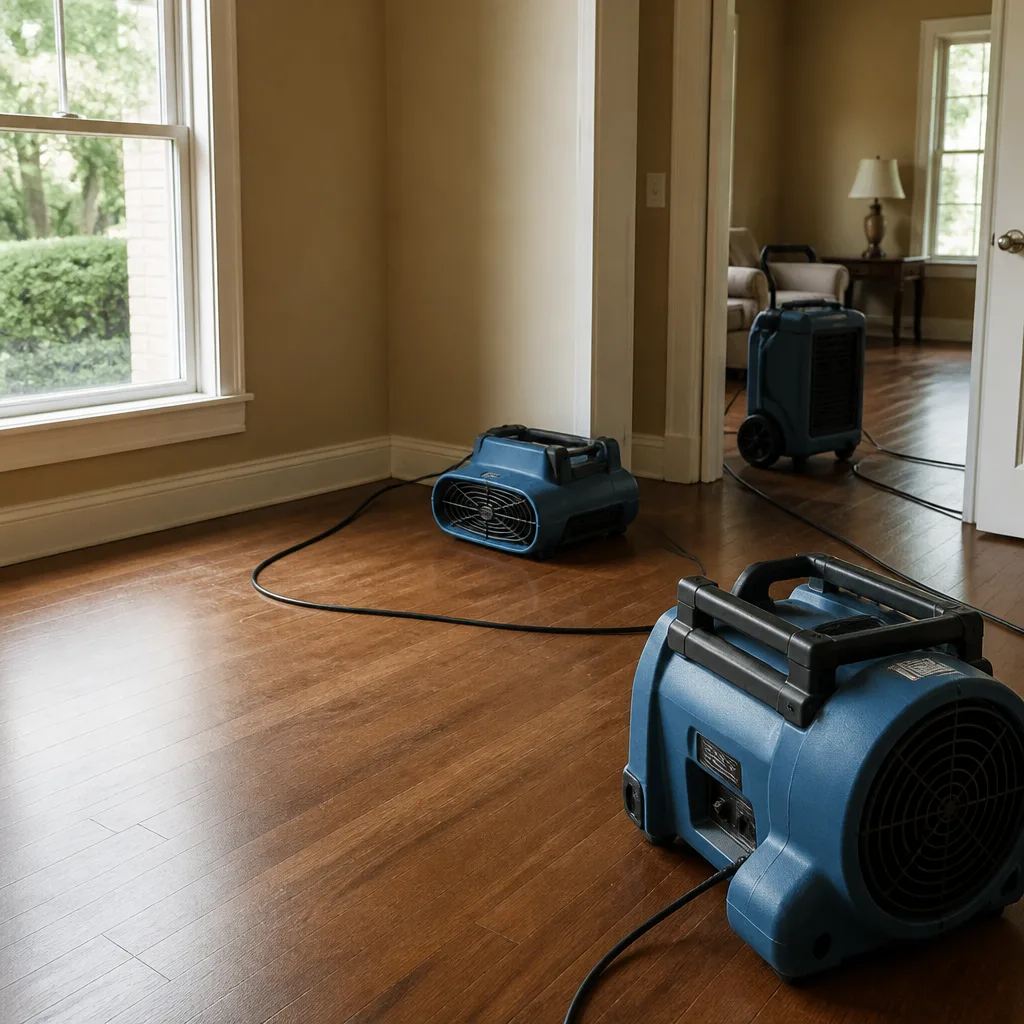
 Water damage drying
 Fire & smoke cleanup
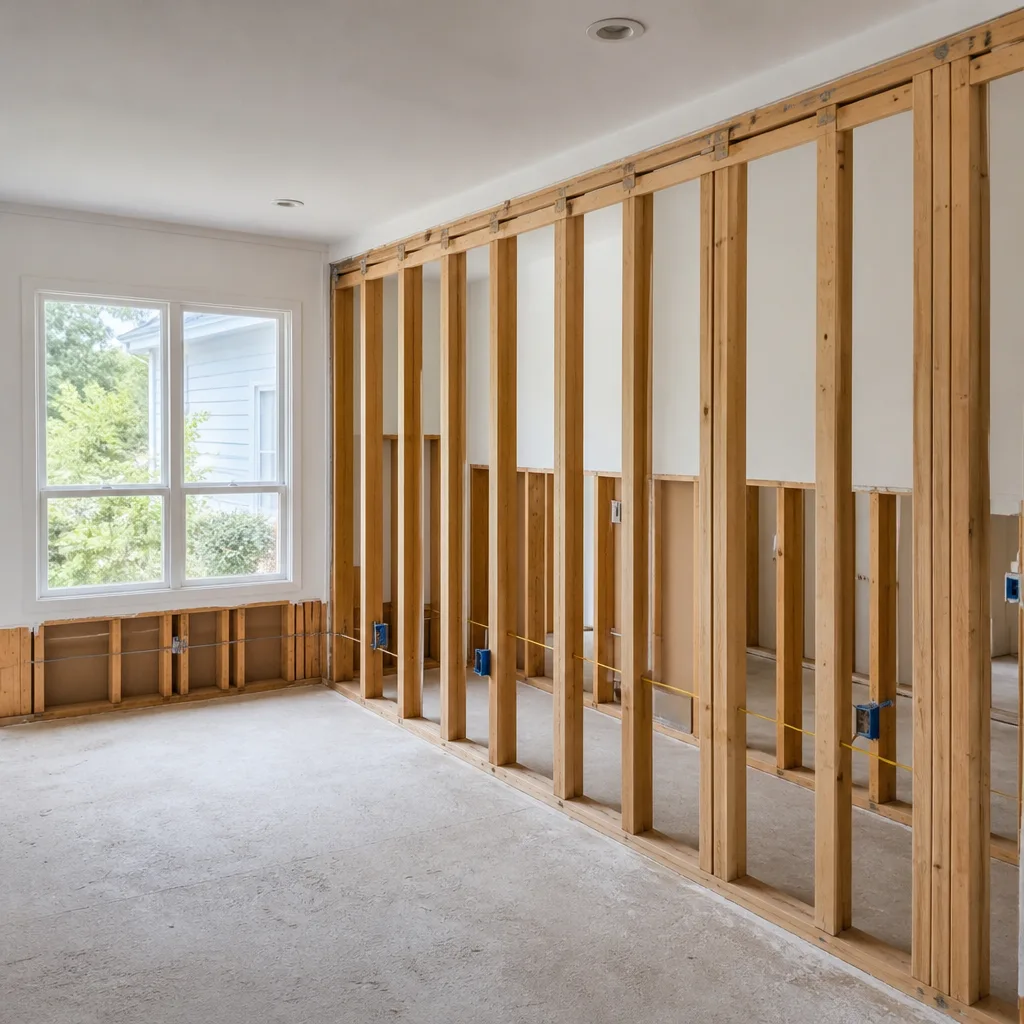 Mold remediation
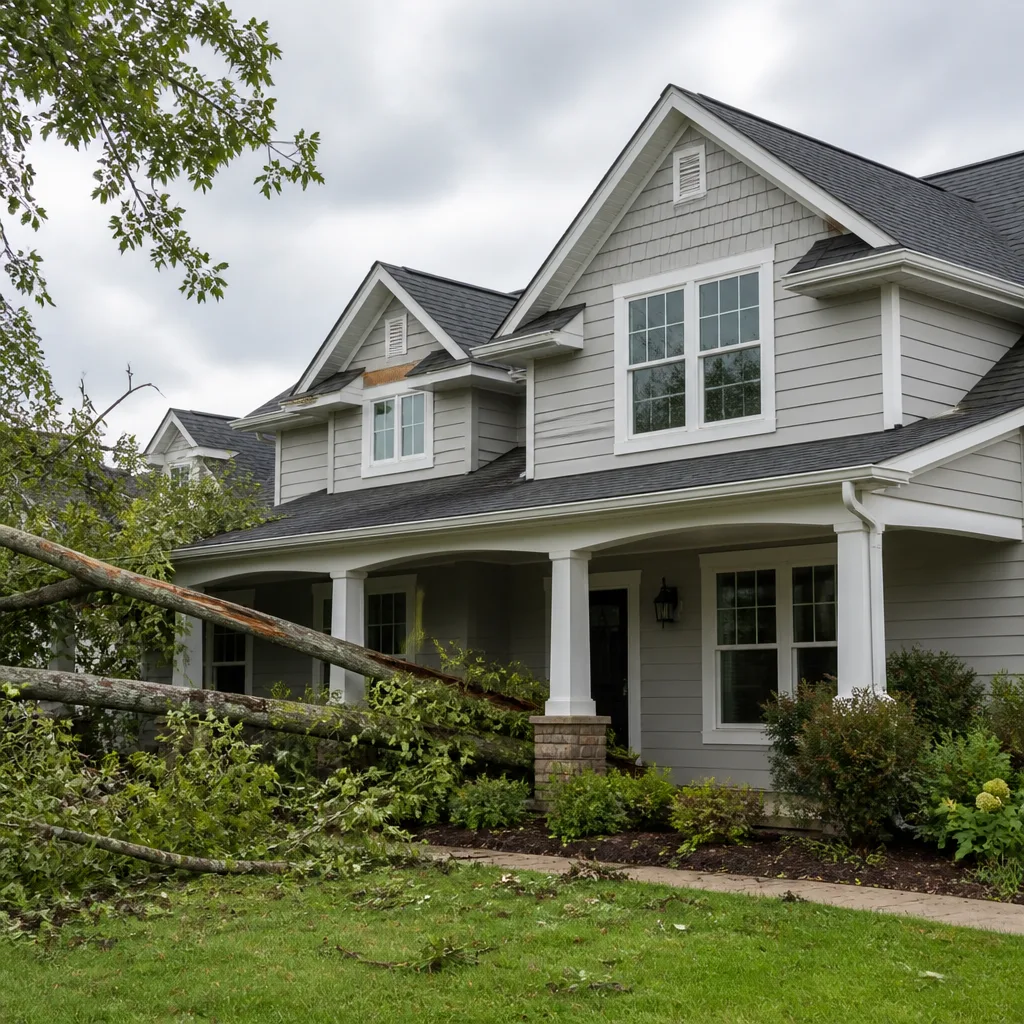 Storm response
 Sewage cleanup
 Reconstruction
Free visual inspection and a written scope of work before any mitigation begins - photos, moisture readings, and drying logs go in your claim file
The scope we write is the scope we bill. Anything new gets shown to you, in writing, before we touch it.
Get your free estimateFast, Reliable Water Damage Restoration Across South San Francisco
Water damage in South San Francisco moves differently than it does in drier parts of the Bay Area. The fog rolls in most mornings, the wind whips rain sideways against older siding, and the air itself stays damp enough to slow evaporation to a crawl. That combination means a small leak can become a structural problem faster than homeowners expect. We answer calls from South San Francisco residents at all hours at (831) 400-3496, and our crews know the housing stock here: 1950s stucco ranches in Westborough, 1960s wood-frame homes in Serra Highlands, and the older downtown properties with galvanized pipe that’s been quietly corroding for decades. When water finds its way in, you want someone who understands what it does in this specific climate, not someone reading from a generic playbook.
Our Water Damage Restoration team arrives with moisture meters, drying logs, and a written scope before any equipment gets unloaded. The first hour matters most in South San Francisco, because the fog that lingers outside slows drying inside too. We move fast, but we also move carefully. Shoe covers go on at the door. Drop cloths cover the floor before the first piece of equipment comes in. You’ll see the price in writing before we start, not after we’ve finished.
Why Tidemark Water Damage San Francisco Is South San Francisco’s Preferred Water Damage Restoration Company
South San Francisco homeowners tell us the same thing again and again: they called another restoration company first, waited hours for a callback, and got a rushed crew that left wet drywall behind baseboards and called it dry. That’s the exact failure we built our process to prevent. Every technician on our South San Francisco jobs is background-checked, uniformed, and credentialed through IICRC, RIA, and IFA, so the standards aren’t a hope, they’re a baseline. We run Dri-Eaz and Phoenix drying equipment the same machines serious restoration specialists use, not rental-store fans. And because we’re independently owned and operated under the Cedarwell Care Promise, we answer to you, not to a distant corporate office.
Rick Sumner has led this team with a simple rule: find the tide mark. A tide mark is the line water leaves on a wall as it wicks upward. It shows where the water actually traveled, and drying past that line, not just around the visible puddle, is the difference between a restoration that holds and one that fails six months later. That’s our standard on every South San Francisco job, from a burst pipe in a downtown condo to a roof leak soaking through a Westborough ceiling. The 365-Day Done Right Promise covers every project. If it’s not done right, we make it right.
Response time to South San Francisco is usually within an hour during normal conditions. Our dispatch center is staffed by live people around the clock, not a voicemail tree. Water doesn’t wait, and neither do we.
Restoration work we handle
Water Extraction in South San Francisco
Water extraction in South San Francisco typically runs $400 – $900 for a single room, depending on how much water is standing and what type of flooring it’s sitting on. When a supply line breaks or a water heater gives out, the first priority is removing standing water before it migrates into walls, subfloor, and adjacent rooms. Our technicians use truck-mounted and portable extraction units suited to the tight driveways and narrow side alleys common throughout South San Francisco’s older neighborhoods.
Standing Water Removal
The goal is to pull water off hard surfaces and out of carpet pad in the first hour. In South San Francisco’s damp air, every hour of standing water adds moisture to the air and slows the whole drying process. We extract first, then map moisture to find where the water traveled, then build a drying plan around what the meters actually show.
Subfloor and Hardwood Drying
Many South San Francisco homes still have original hardwood over wood subfloor. Water trapped between those layers can warp boards and breed mold if left alone. We use Injectidry mats and low-profile air movers to target the hidden layers without tearing out flooring unnecessarily.
Emergency Water Removal in South San Francisco
Emergency water removal in South San Francisco runs $500 – $1,500 for a standard burst-pipe response, with the written price delivered before any work begins so you’re never wondering what the night will cost. A burst pipe at 2 a.m. or a dishwasher line that lets go while you’re at work needs a response within hours, not days. In this city’s microclimate, where morning fog keeps outdoor humidity high and windows stay closed, delayed extraction turns wet drywall into a mold risk far sooner than in places like Sacramento or Tracy.
After-Hours Response
We answer the phone at 3 a.m. with a live person. Our crew stages equipment in the driveway or nearest clear access point and works around South San Francisco’s parking realities without complaint. You’ll get an arrival window, a name, and a plan before anyone shows up.
Burst Pipe and Supply Line Failures
Cold snaps are rare here, but old galvanized pipe fails on its own schedule. A pinhole leak behind a wall can run for weeks before a ceiling stain gives it away, and by then the category has shifted. We trace the migration path, mark the affected area, and dry beyond it, which means opening less drywall and keeping more of your home intact.
Trusted Brands We Service in South San Francisco
Our techs maintain and service equipment from Dri-Eaz and Phoenix, and we stock the parts and accessories those machines need for South San Francisco’s specific conditions. Low-profile air movers, compact dehumidifiers, and Injectidry mats get loaded onto trucks based on the job, so we aren’t hauling oversized equipment into a tight Westborough side yard. When your restoration plan calls for a specific drying configuration, we set it up correctly the first time. That means faster drying, fewer equipment swaps, and less disruption to your household.
See the difference
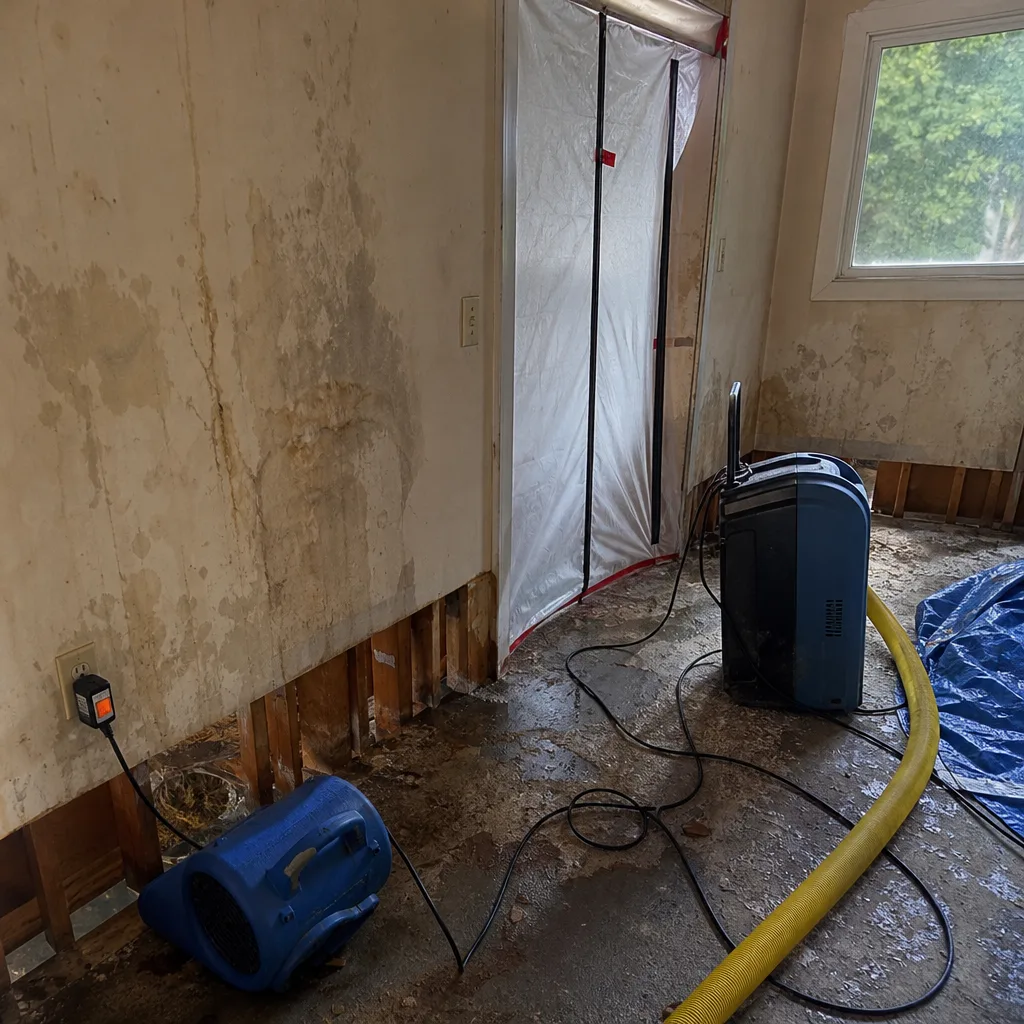 Before
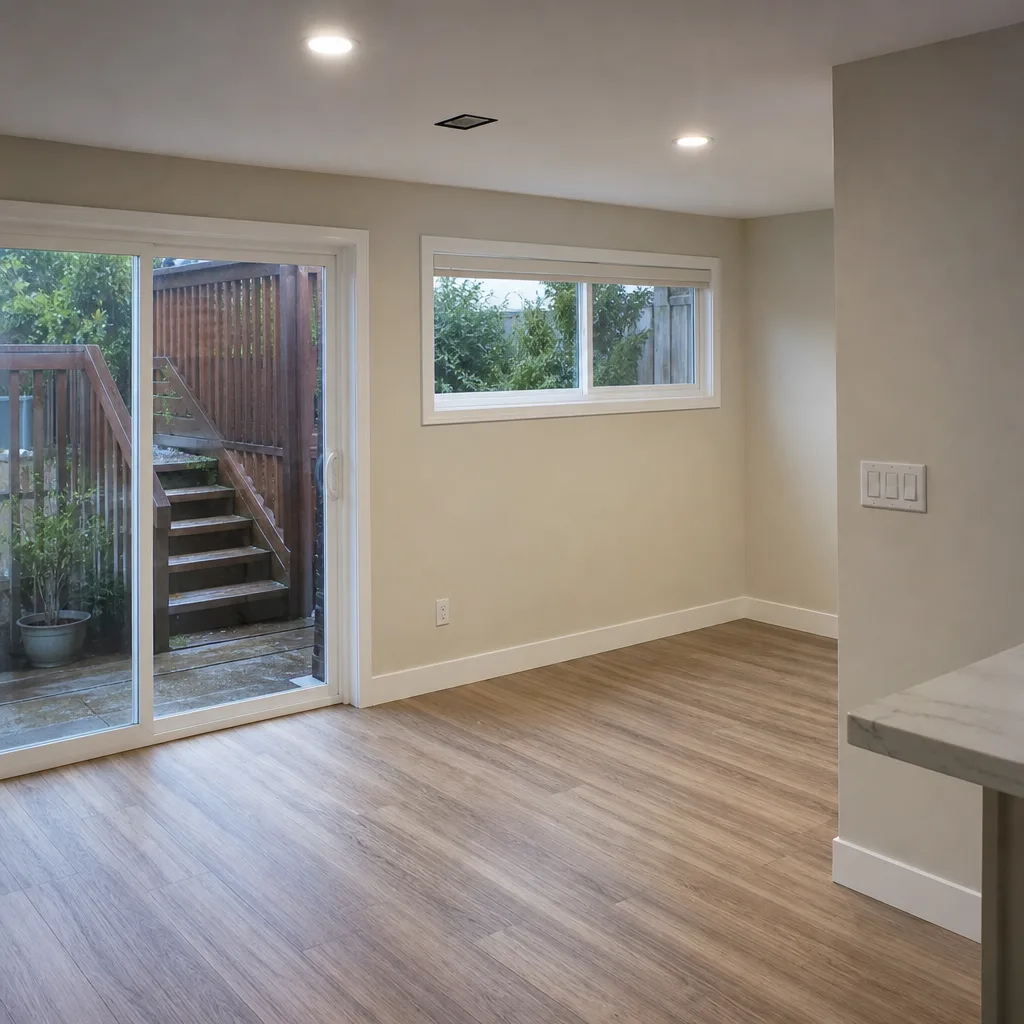 After
After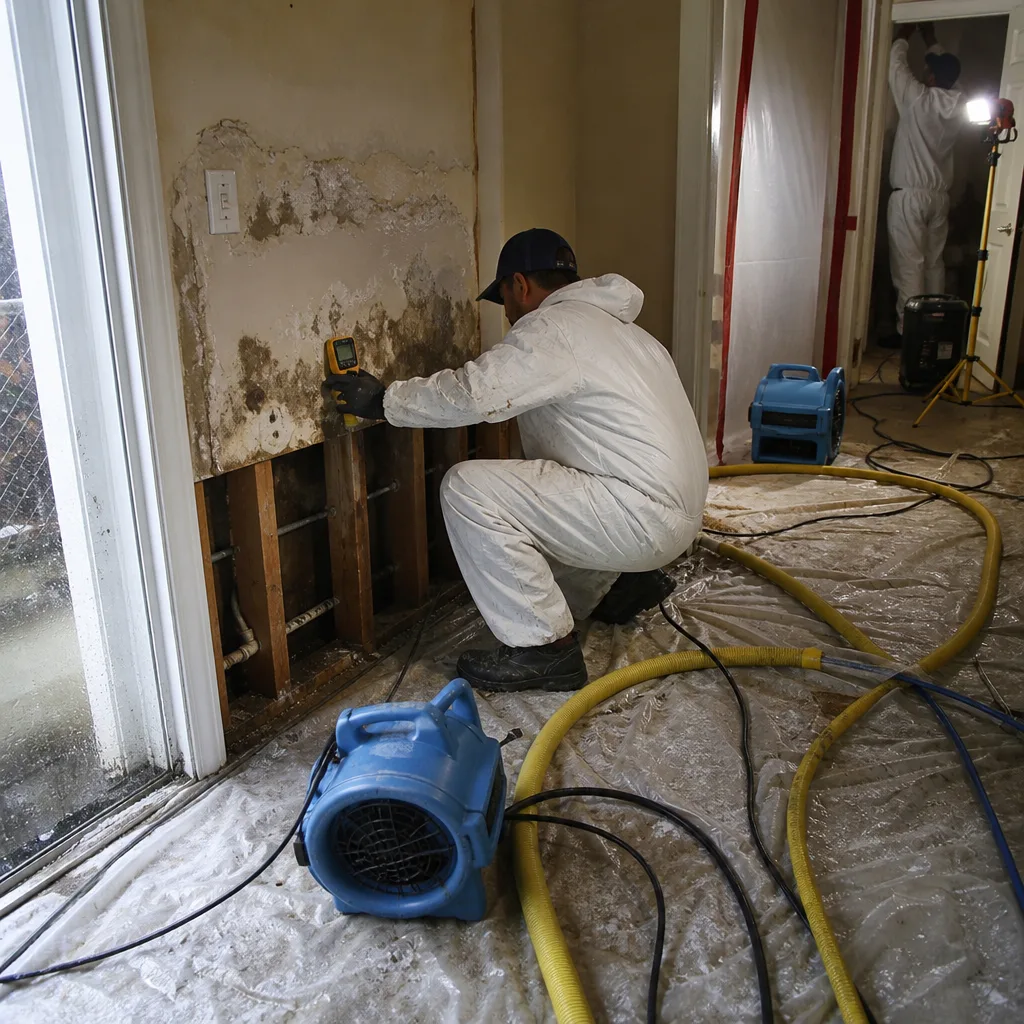 Before
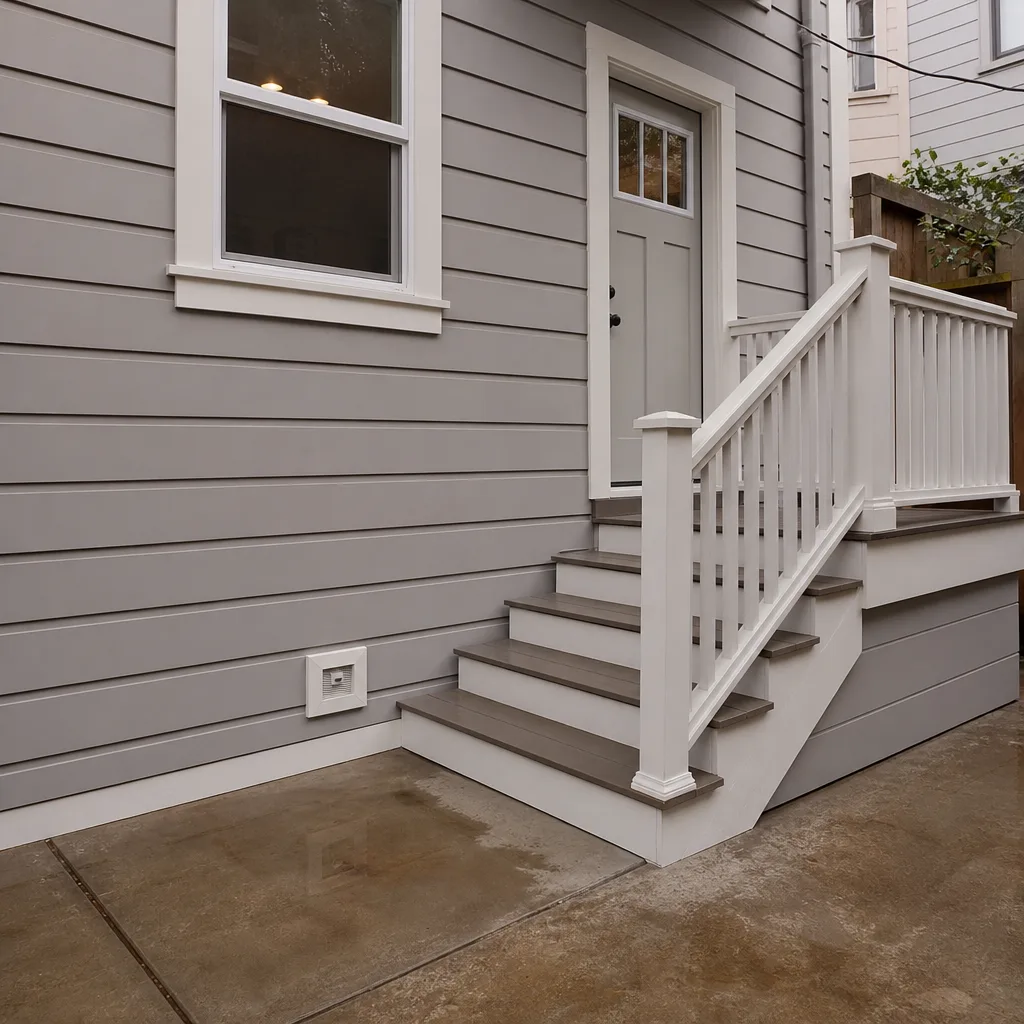 After
After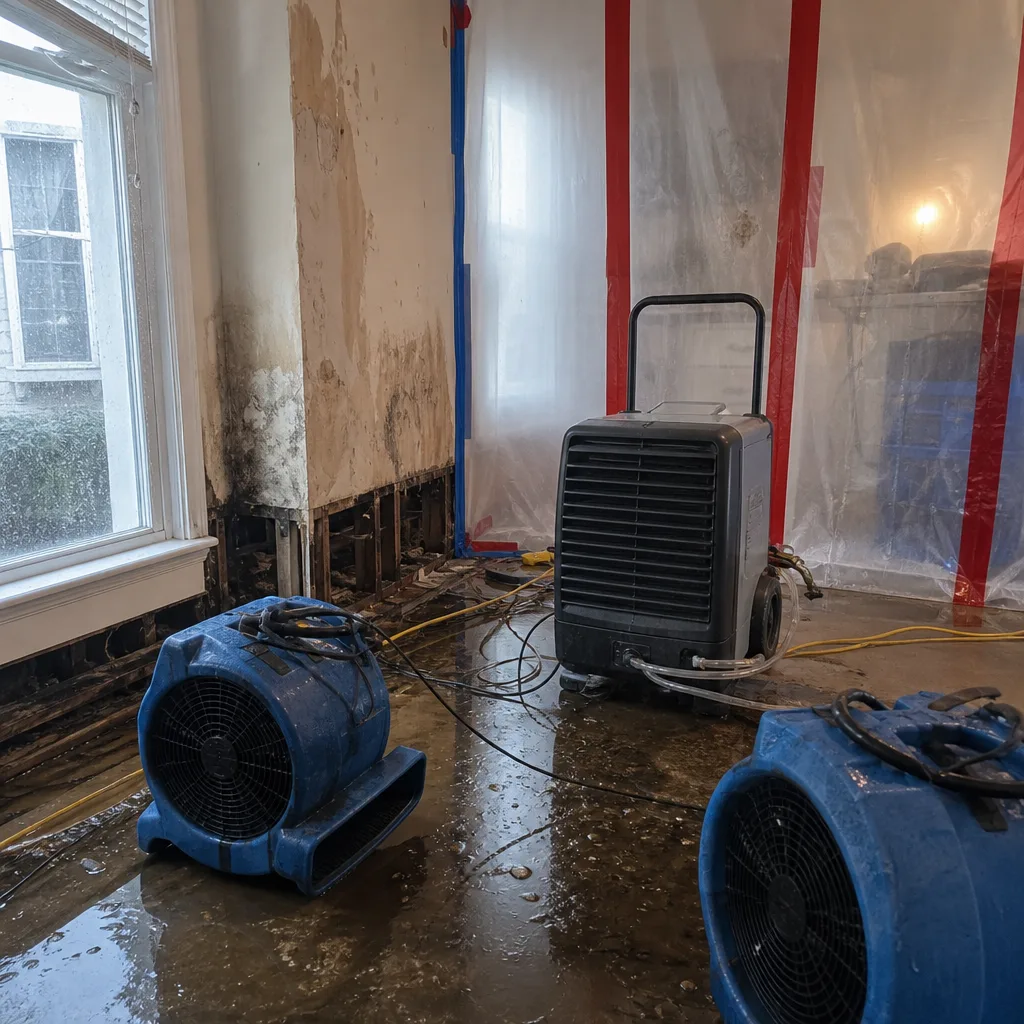 Before
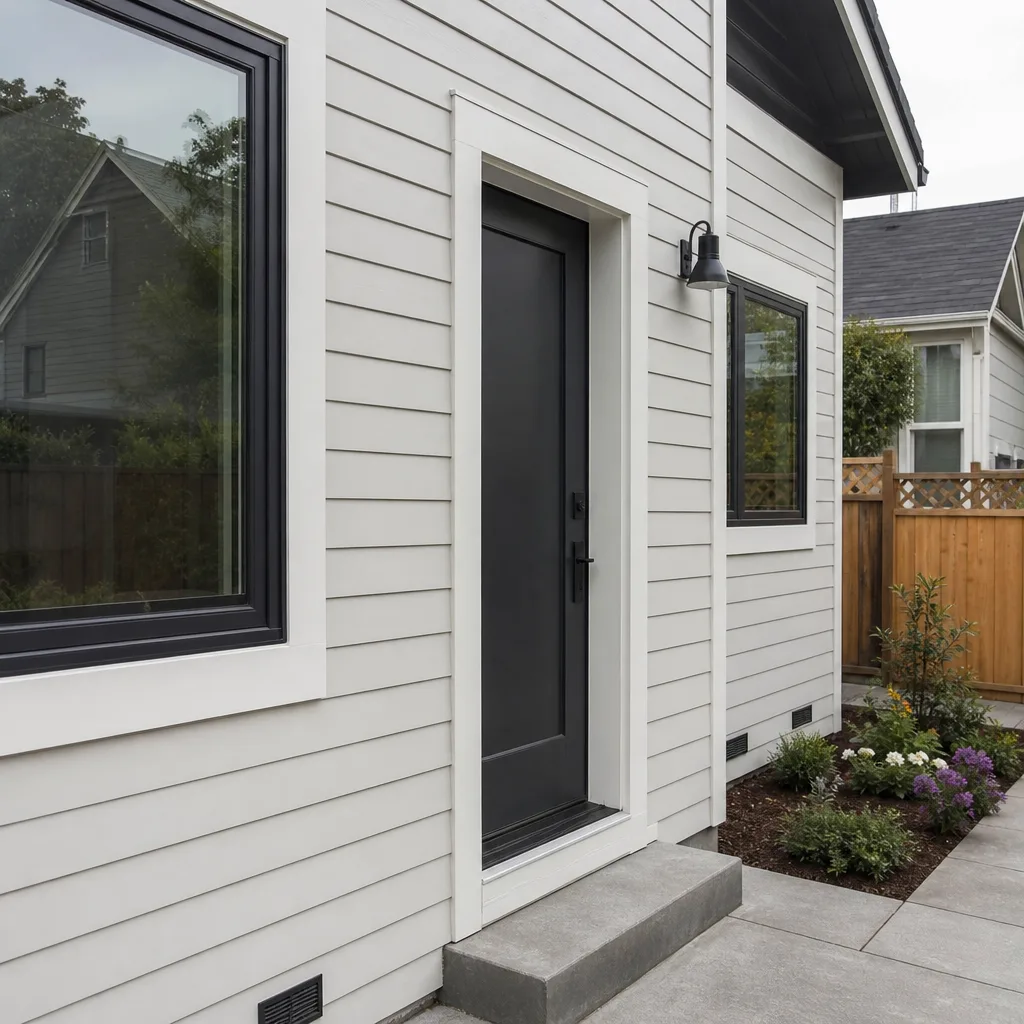 After
AfterCommon Water Damage Restoration Problems We See in South San Francisco Homes
- Wind-driven rain through single-pane windows: Homes built in the 1950s and 60s still have their original single-pane windows in many cases. Horizontal rain off the Pacific can force moisture around the frames and into the wall cavity, staining drywall and wetting insulation before you ever see water on the floor.
- Slow drying from persistent fog: South San Francisco’s low evaporation rates mean structural drying takes longer than in drier cities. A crew that skips daily moisture readings will call a wall dry when it’s still holding water behind the baseboard. We log readings every visit.
- Galvanized pipe corrosion from salty air: Downtown South San Francisco’s older homes often have galvanized supply lines that have been corroding for decades in the coastal air. Pinhole leaks behind walls go unnoticed until a ceiling stains or a cabinet swells, and by then the water has spread farther than you’d think.
- Tight alley and side-yard access: Many Westborough and Serra Highlands lots have narrow side alleys that complicate equipment staging. We use compact air movers and flexible ducting that fits where larger setups simply won’t, so the drying plan works with the property’s layout rather than against it.
Pricing for Water Damage Restoration in South San Francisco, CA
Water extraction in South San Francisco runs $400 – $900 per room. Full structural drying, including equipment placement and daily monitoring, adds $800 – $2,400 depending on square footage and how far the water traveled. Burst-pipe emergency response typically lands between $500 and $1,500 when we’re talking extraction plus the first days of drying. Ceiling leaks from roofs or second-floor plumbing start around $600 and climb if the water ran down through walls. Every estimate is written, itemized, and delivered before we start. Call (831) 400-3496 for an exact number on your specific situation. The estimate is free, and you’ll see the full scope in writing.
We Also Serve Cities Near South San Francisco
Beyond South San Francisco, our crews regularly handle water damage in Daly City, San Bruno, Pacifica, and San Francisco. The fog and wind patterns are similar across the Peninsula, and the housing stock shares a lot of the same vulnerabilities. If you’re just outside the city line, call us anyway. We’ll tell you honestly whether we cover your street and how soon we can get there.
Serving South San Francisco, CA - Our Local Coverage Area
We’re based in the South San Francisco area and know this community well. Use the map below to see our service coverage - if you’re nearby, we can almost certainly help.
FAQs About Water Damage Restoration in South San Francisco
The fog means evaporation slows way down. Moisture in the air inside your home has nowhere to go when the outdoor air is already saturated, so drying takes longer and requires dehumidification, not just airflow. A 1950s stucco home adds another layer: the stucco holds exterior moisture, and the wall cavities don’t breathe quickly. We factor that into every drying plan and set the dehumidifiers accordingly. If you’ve had water intrusion, call (831) 400-3496 and we’ll explain what your specific walls will need.
Yes. Standard restoration trucks carry full-size air movers and bulky dehumidifiers, which can be impossible to stage through a narrow side alley or tight garage. We run compact, low-profile Dri-Eaz units and flexible ducting designed for exactly this kind of access. The equipment still puts out the same drying power, it’s just built to fit South San Francisco’s older lot lines. We’ll assess your access before we arrive so there’s no scrambling on site.
Wind-driven rain intrusion around original single-pane windows and under eaves is the dominant pattern. The homes sit on exposed hillsides where wind off the Pacific hits at a horizontal angle, and water gets forced into places gravity alone wouldn’t carry it. When that water sits for 24 – 48 hours in the damp air, wet drywall needs full cut-out instead of in-place drying. Catching it early saves wall removal. Call us the day you see staining.
Category 1 starts as clean water from a supply line, but it degrades fast. If the leak ran through a cabinet, soaked into particleboard, or mixed with dust, food residue, or household chemicals before we arrived, the water is no longer clean. In South San Francisco, where the air stays damp and mold spores are already present, that degradation happens faster. We classify by what the water has touched, not just where it came from, and we’ll explain the classification before we recommend a drying versus removal approach.
Mold can begin colonizing within 24 to 48 hours in South San Francisco’s naturally damp conditions, faster than in drier climates. The fog and high relative humidity mean the moisture doesn’t evaporate on its own, so materials stay wet longer. That’s why we move on mitigation within hours, not days, and why our moisture mapping includes areas you can’t see. If water has been sitting for more than a day, call (831) 400-3496 and we’ll assess whether mold is a live concern.
Written by Rick Sumner, Owner at Tidemark Water Damage San Francisco, providing water damage restoration to South San Francisco and surrounding Peninsula communities.
For a free, written estimate and a no-pressure assessment of your water damage, call our team at (831) 400-3496. A live person answers, day or night.