
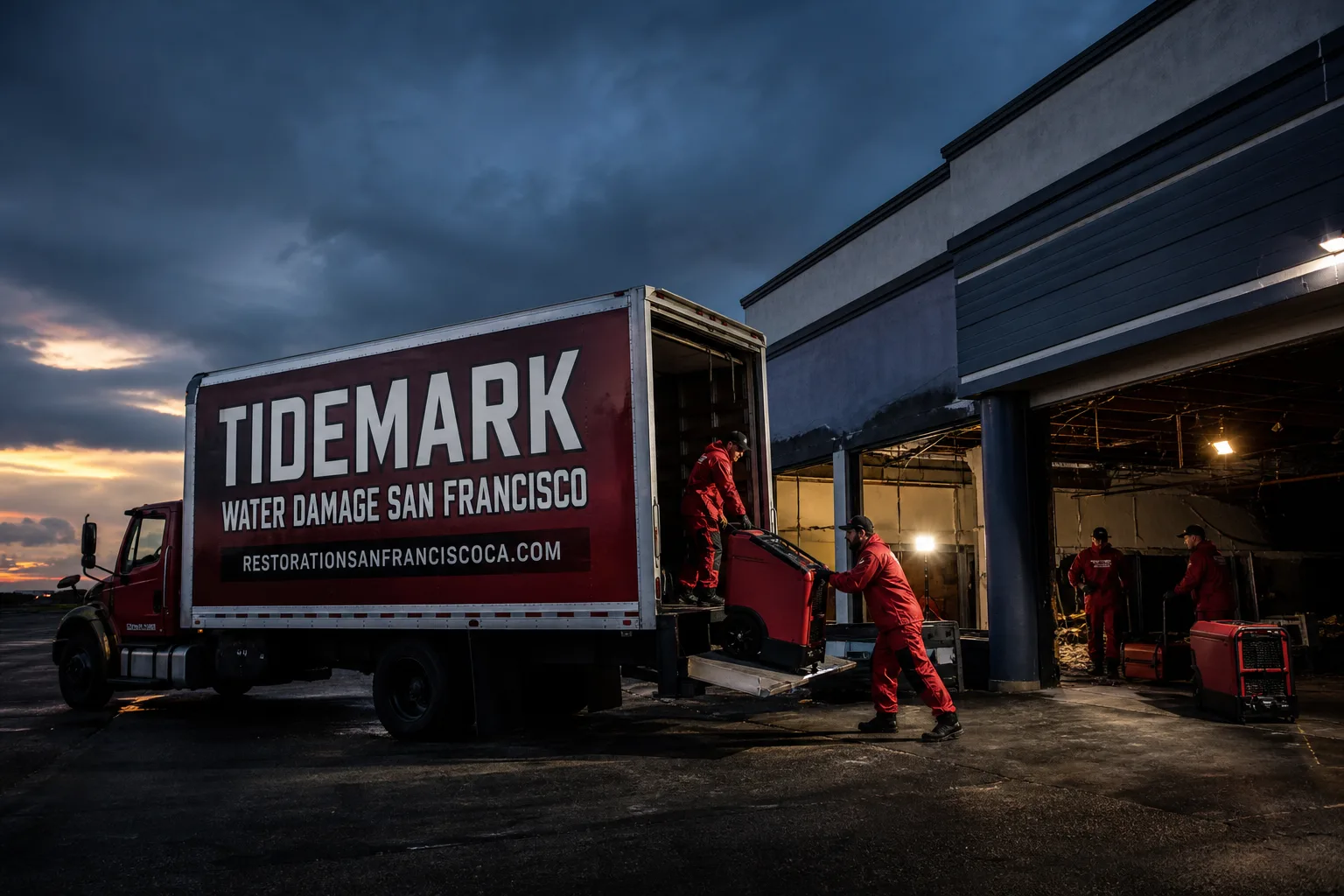
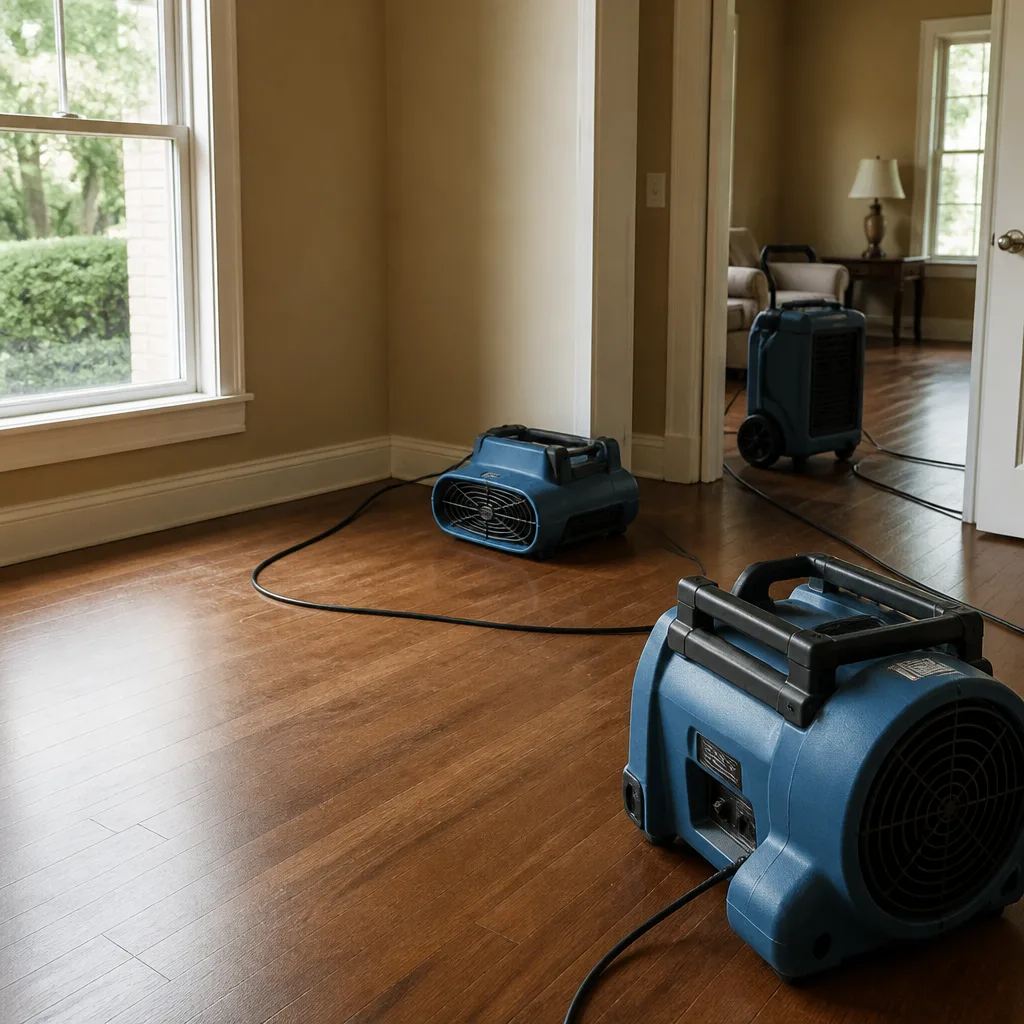
 Water damage drying
 Fire & smoke cleanup
 Mold remediation
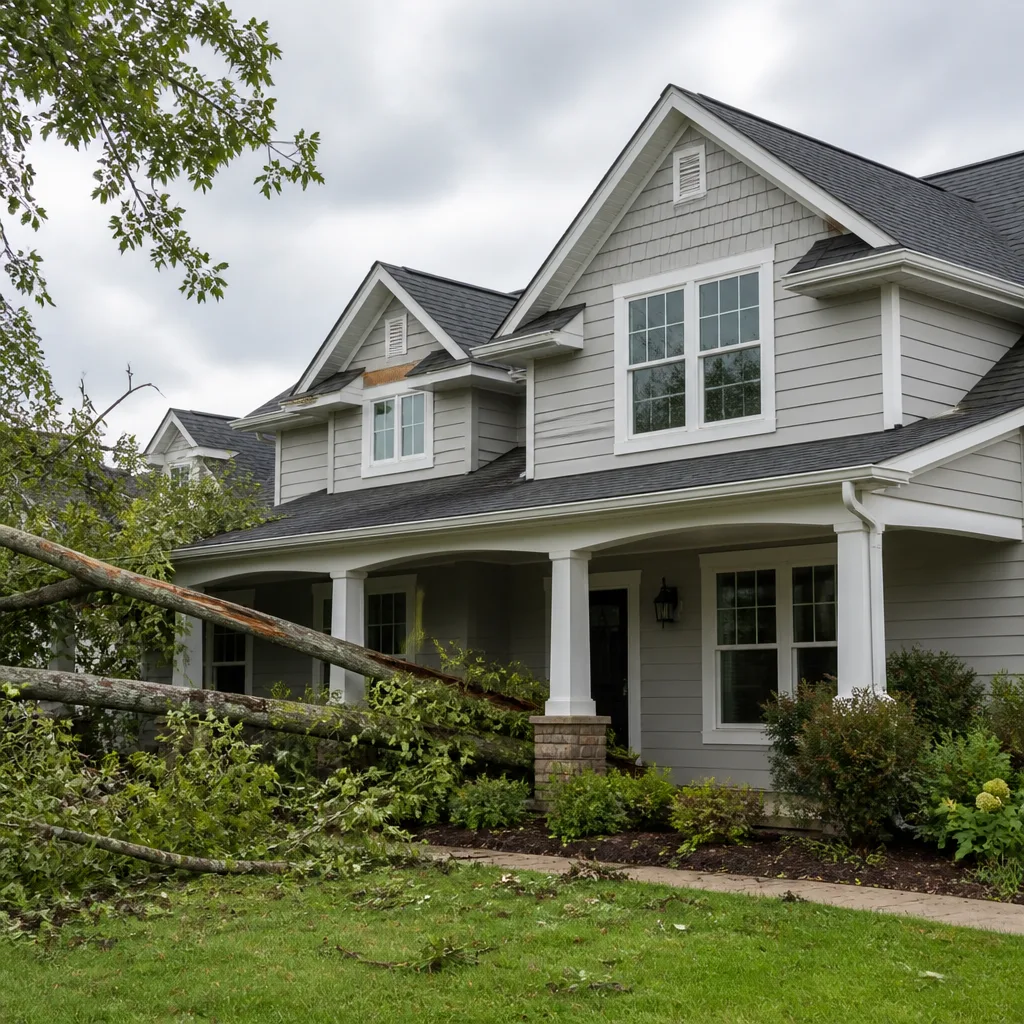 Storm response
 Sewage cleanup
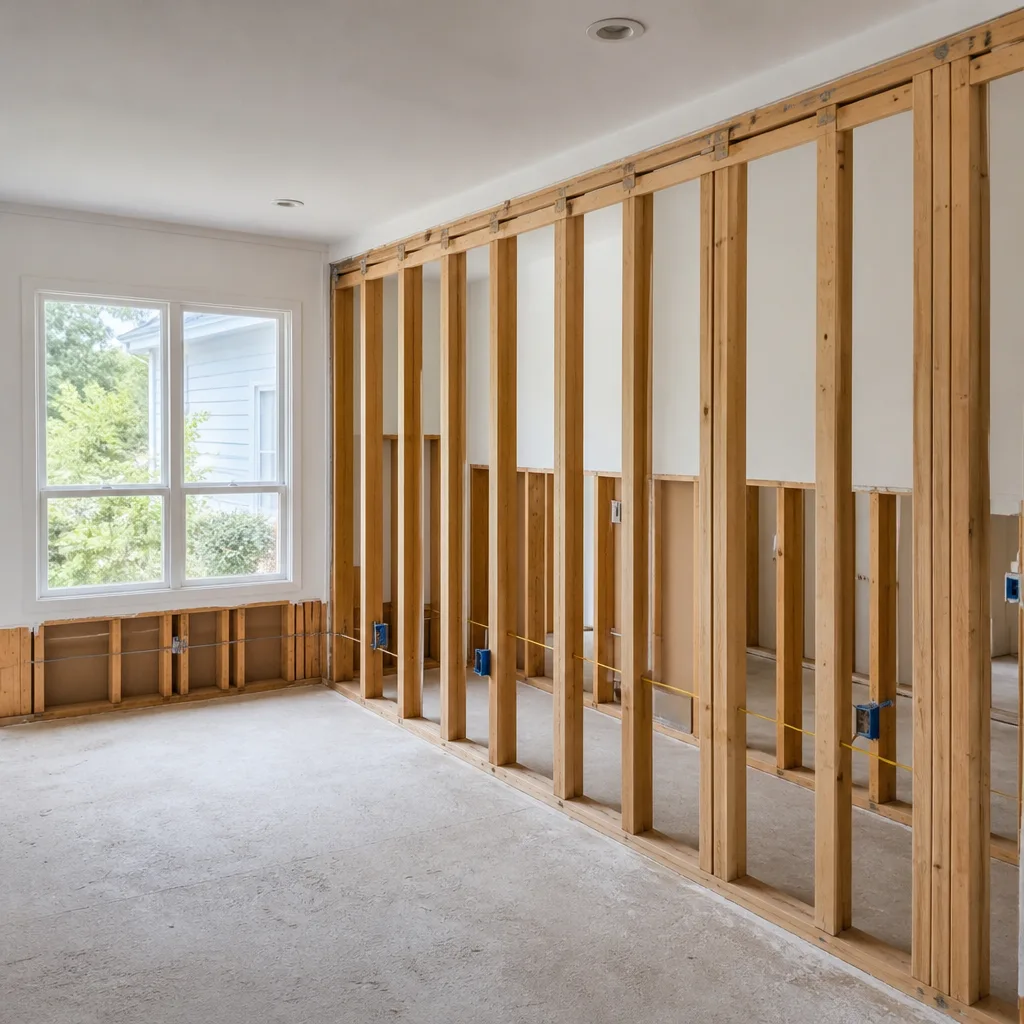
 Reconstruction
Free visual inspection and a written scope of work before any mitigation begins - photos, moisture readings, and drying logs go in your claim file
The scope we write is the scope we bill. Anything new gets shown to you, in writing, before we touch it.
Get your free estimateFast, Reliable Water Damage Restoration Across San Leandro
Water damage restoration in San Leandro typically costs $1,800 – $6,500 for a full structural dry-out, with flood cleanup running $2,400 – $9,000 depending on water category and square footage. Our crews reach most San Leandro neighborhoods within 45 – 60 minutes, ready to extract, contain, and dry before hardwood floors cup or drywall wicks moisture. If water is spreading through your home right now, call (831) 400-3496 and a live person will answer, day or night.
We know San Leandro’s houses because we work in them every week. The 1940s tract homes near Bancroft Middle School, the 1950s Washington Manor ranches with original cast-iron drains, the older multifamily buildings along East 14th Street lath-and-plaster walls and outdated systems all respond differently to water. That matters when you’re deciding whether to dry in place or open a wall.
Rick Sumner, who leads our restoration team, puts it simply: we find the tide mark, the line water leaves on a wall, and we dry past it. No guessing. No cutting corners. A written price before any equipment comes off the truck.
Why Tidemark Water Damage San Francisco Is San Leandro’s Preferred Water Damage Restoration Company
Homeowners in San Leandro call us because we treat their house the way we’d want a crew to treat ours. Shoe covers go on at the door. Drop cloths cover the floor before the first piece of equipment comes in. We ask before we move furniture, and we explain what we’re doing and why before we do it.
Every one of our technicians is background-checked, uniformed, and credentialed through IICRC, RIA, and IFA. They run professional-grade drying equipment from Dri-Eaz, Phoenix, and XPOWER, the same machines used by leading restoration specialists. Before the crew leaves, we take a photo of the clean-up and share it with you so you see exactly what was done and how the space was left.
Our dispatch is coordinated from the brand’s San Francisco Bay Area office, but the crews serving San Leandro work here regularly. They know the flatland drainage issues near the Bay, the fog that hides crawl space moisture in Marina Faire, and the slab foundation quirks throughout Davis Tract. That local familiarity shortens the assessment time and gets drying equipment running faster.
As part of the Cedarwell Care Promise network, we operate independently with one standard: Written price first, pet-safe products, and a 365-Day Done Right Promise that national franchises don’t match. If the restoration isn’t done right, we make it right.
Restoration work we handle
Flood Damage Restoration in San Leandro
Flood damage restoration in San Leandro usually runs $2,400 – $9,000 and begins with categorizing the water, not just vacuuming it up. Winter storms push Category 2 or 3 water into garages and converted additions throughout the flatlands, where aging drainage and minimal grading can’t keep up with heavy rain. Water from a burst supply line is very different from water that’s crossed a yard or risen from a backed-up storm drain, and a San Leandro homeowner deserves to know which one they’re dealing with before drying begins.
The work starts with extraction, then containment, then structural drying with dehumidifiers and air movers. In a post-WWII tract home, floodwater pools in low spots, soaks into the bottom plates of walls, and seeps under vinyl flooring. If there’s a crawl space, it’s usually wet too, and that hidden moisture becomes a mold source within 48 to 72 hours in San Leandro’s humid Bay air.
Flatland Garage and Addition Flooding
Many San Leandro homes have converted garages or unpermitted additions that lack proper flood vents and grading. When winter rain overwhelms the flatland drainage, water collects against the foundation and finds its way inside through sill plates and door thresholds. We address the water, then document the entry point so you can fix the drainage rather than repeat the cycle next winter.
Storm Drain Backups from Bay Proximity
The city’s proximity to the San Francisco Bay means high water tables in the flatlands. A heavy storm can back up storm drains and send water where it doesn’t belong. This water is Category 2 at minimum, often Category 3, and it needs antimicrobial treatment and proper containment, things we scope in writing before starting.
Water Damage Cleanup in San Leandro
Water damage cleanup in San Leandro for a typical single-family home runs $1,800 – $6,500 including extraction, drying, and basic material removal. The goal is to stop water movement before it reaches drywall, baseboards, insulation, and flooring. A burst pipe under a kitchen sink is often contained with extraction and targeted drying. A rusted cast-iron drain line under a Washington Manor slab is a very different job, one that involves Category 3 water, containment, and likely pipe replacement.
San Leandro’s 1940s – 60s housing stock brings specific cleanup challenges. Stucco over wood framing holds moisture differently than newer construction. Lath-and-plaster walls in pre-war buildings along East 14th Street soak up water and can take days longer to dry. Crawl spaces trap fog-hidden moisture that homeowners miss until a musty smell reaches the living areas.
Category-Based Cleaning Protocols
The water category dictates the cleanup protocol. Category 1 water from a supply line is the cleanest. Category 2 contains contaminants. Category 3 carries sewage or stormwater bacteria and demands full containment, antimicrobial application, and disposal of porous materials. We explain which category you’re facing and what that means for your home’s materials before we touch anything.
Pet-Safe and Family-Conscious Drying
Where there’s a choice of drying agents, we use pet-safe options. Lower-decibel settings on air movers run during school hours and nap time. If your kids and dog are still in the house while we work, the noise stays manageable and the products stay safe. That’s not an upsell. It’s how we run every job.
Trusted Brands We Service in San Leandro
Our technicians are certified to work with the equipment and chemistry homeowners already trust, and we keep common parts and consumables stocked for fast turnaround in San Leandro. From Dri-Eaz dehumidifiers to Injectidry drying systems, what you see on our truck is what the restoration industry runs in commercial water losses. When your home needs Water Damage Restoration, the crew that shows up should not be learning on your floors.
See the difference
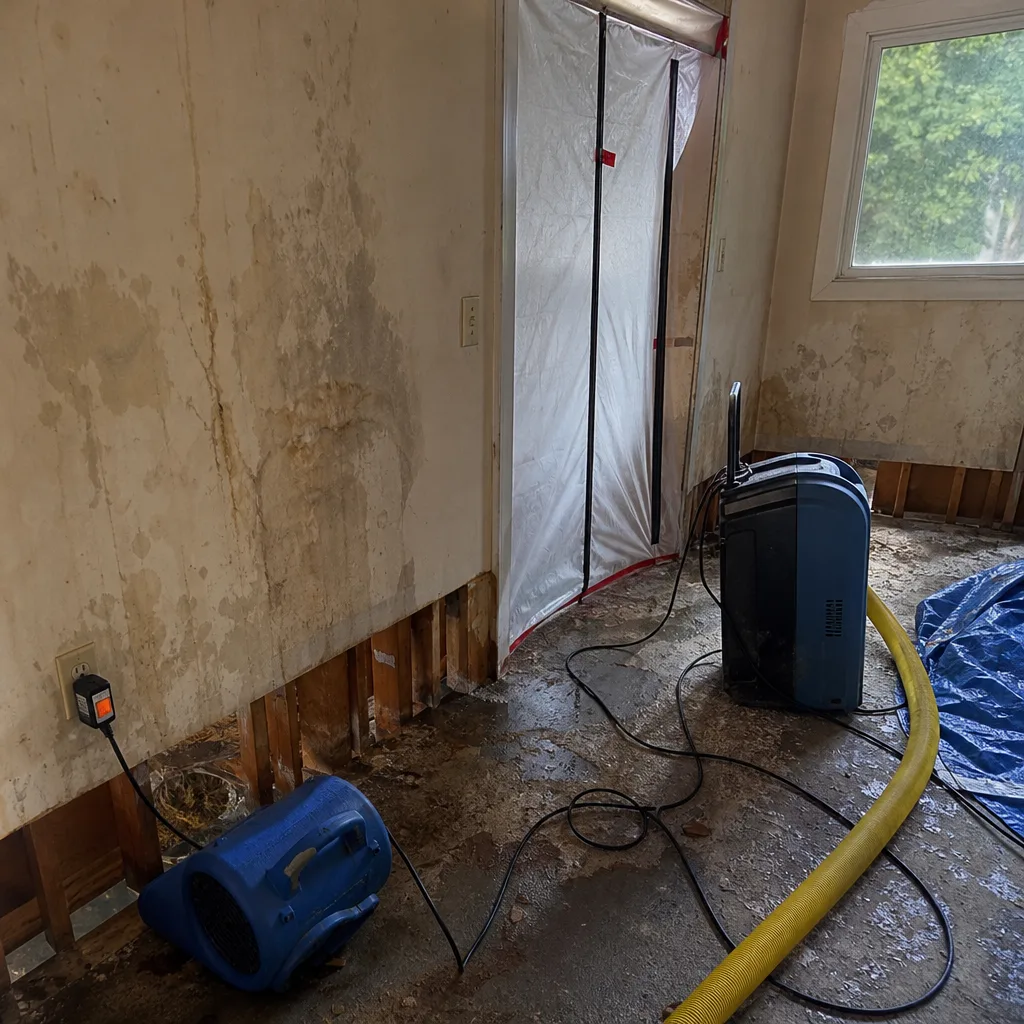 Before
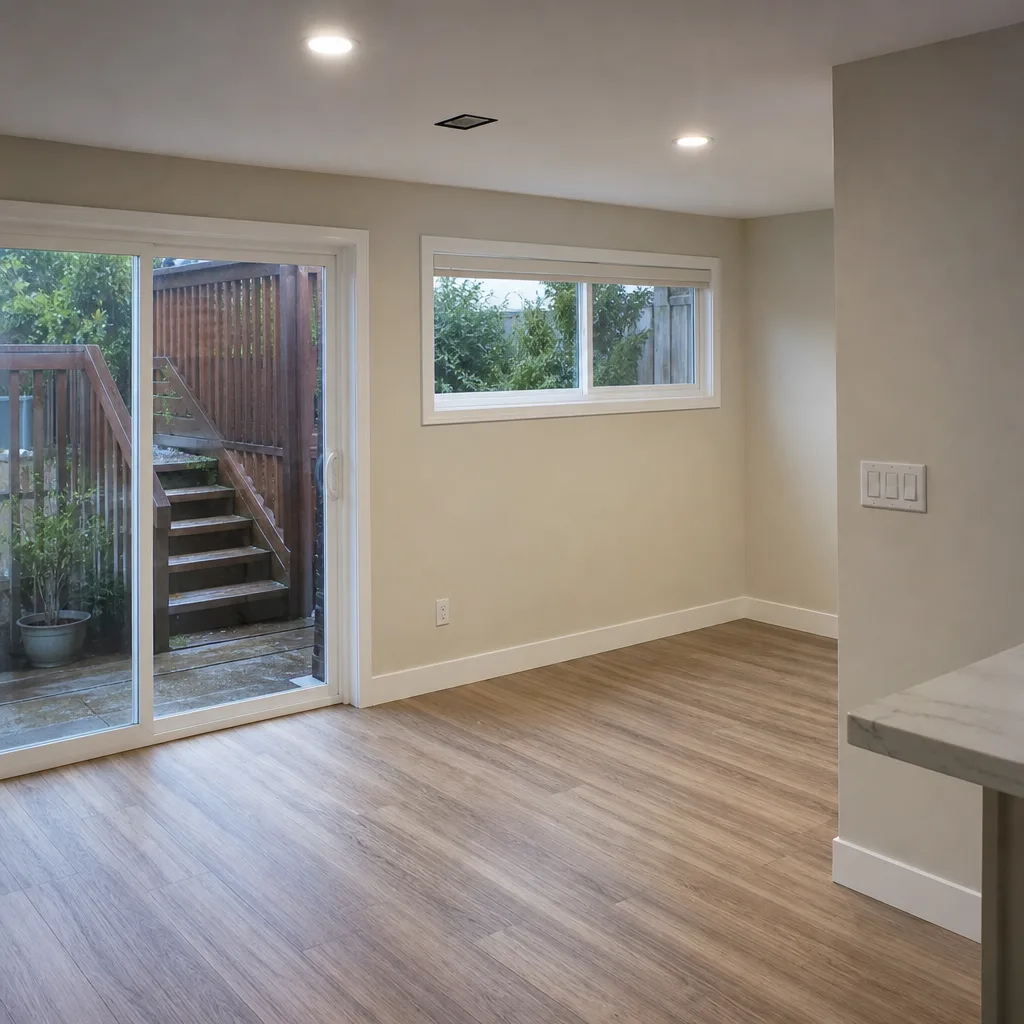 After
After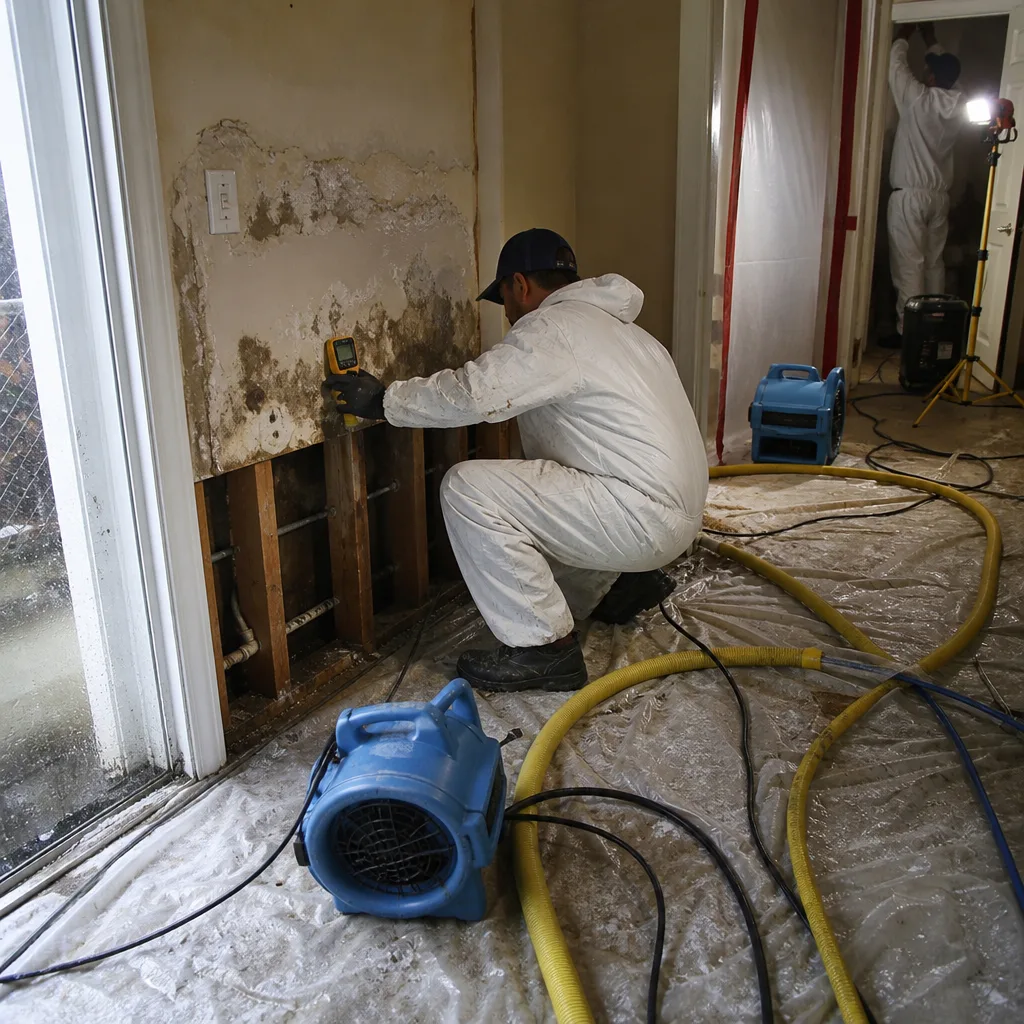 Before
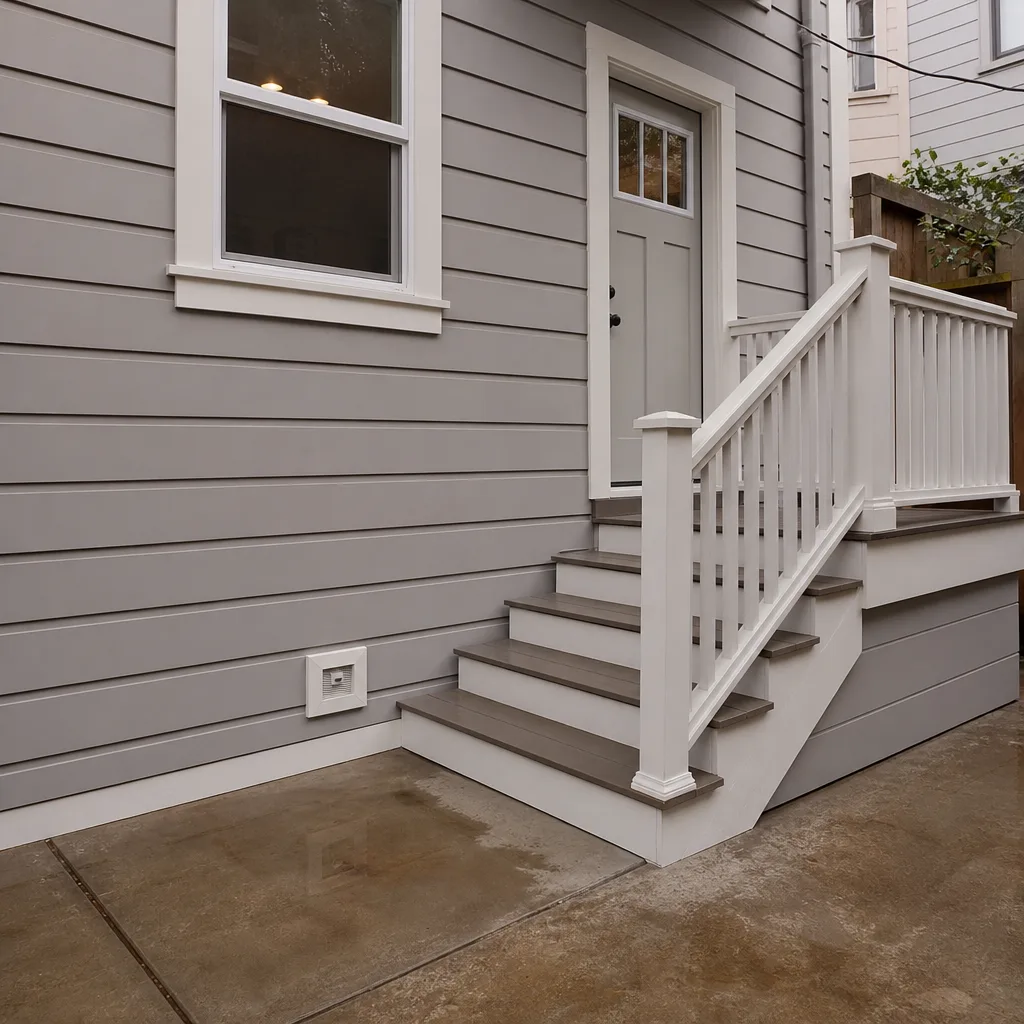 After
After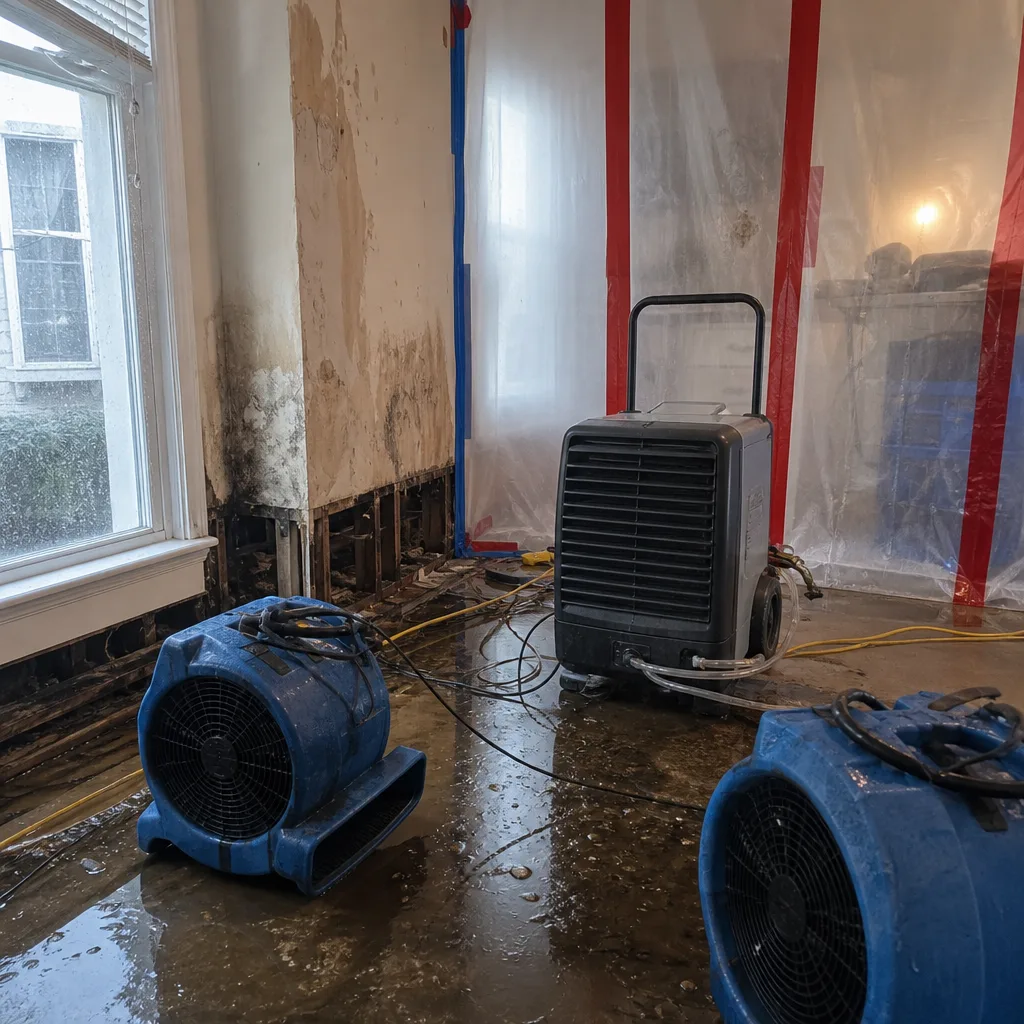 Before
 After
AfterCommon Water Damage Restoration Problems We See in San Leandro Homes
- Slab leaks from rusted 1950s cast-iron drains. In Washington Manor and similar tracts, cast-iron drain pipes under slab foundations rust through from decades of bay-salt corrosion and local soil chemistry. The leak goes quiet for weeks until flooring starts to buckle or a sewage smell appears in the garage.
- Fog-hidden crawl space moisture. San Leandro’s cool, foggy summers push moisture into poorly ventilated crawl spaces. Wood framing and subflooring stay damp for months, feeding mold that 1940s tract homeowners notice only as a persistent musty odor.
- Stucco and plaster absorbing water slowly. Stucco-over-wood framing and lath-and-plaster walls in older multifamily buildings hold water differently than modern drywall. By the time staining appears on the surface, the moisture has usually wicked deep into the structure.
- Flatland storm flooding in converted spaces. Many garage conversions and additions were built without proper grading or flood vents. Winter storms overwhelm the flatland drainage, sending Category 2 or 3 water into these spaces where it sits against sill plates and bottom drywall.
Last winter we mitigated a Washington Manor home where a rusted cast-iron drain line under the slab had been weeping for weeks. Our crew set containment and ran Dri-Eaz dehumidifiers plus air movers after extracting Category 3 water, then scoped a $6,000 – $9,000 pipe replacement and structural drying to pre-loss condition before the hardwood floors could cup.
Pricing for Water Damage Restoration in San Leandro, CA
Here are honest numbers for San Leandro’s market, not national averages. Emergency water extraction: $450 – $1,200. Structural drying with dehumidifiers and air movers: $1,200 – $4,000 depending on affected square footage and drying time. Full flood cleanup with containment and antimicrobial treatment: $2,400 – $9,000. Slab leak mitigation including Category 3 extraction and initial drying: $3,000 – $7,000 before pipe replacement. Burst pipe restoration in an accessible wall or ceiling: $1,800 – $5,000.
What moves the price is water category, square footage, how long the water sat before discovery, and whether materials need removal. You see the written number before we start, every time. Call (831) 400-3496 and we’ll assess your home and give you a scope in writing, no surprises on the final invoice.
We Also Serve Cities Near San Leandro
Our crews regularly handle Water Damage Restoration in San Leandro and the surrounding East Bay communities. If you’re in Castro Valley, Oakland, Alameda, or Piedmont, the same written-price standard applies. We coordinate dispatch from the Bay Area office and route the nearest available crew to your door.
Serving San Leandro, CA - Our Local Coverage Area
We’re based in the San Leandro area and know this community well. Use the map below to see our service coverage - if you’re nearby, we can almost certainly help.
FAQs About Water Damage Restoration in San Leandro
Cast-iron drain pipes installed in the 1950s have reached the end of their service life, and San Leandro’s bay-salt air plus reactive soil chemistry accelerates the corrosion. The pipes rust through under the slab, leaking for weeks before anyone notices. Call (831) 400-3496 if your floors are cupping or you smell sewage in the garage.
No. Category 3 water contains sewage or pathogens. Stormwater that overflows flatland drainage and enters through a door threshold is often Category 2, but water that backs up from a combined sewer is Category 3. We test and categorize before we dry, and the written scope reflects the category.
Often yes, if the water was caught quickly and is Category 1. Stucco and lath-and-plaster dry more slowly than drywall, so we run dehumidifiers and air movers longer, and we use moisture meters to confirm dryness behind the surface. If the plaster has become saturated for days, removal is usually the safer, code-compliant path.
It’s the classic sign of a broken cast-iron drain line under the slab. Restoration techs who work in Washington Manor and similar tracts look for that smell specifically because it indicates a Category 3 leak that’s likely been running for weeks. The faster it’s mitigated and scoped, the less flooring and wall repair you’ll face.
Containment keeps Category 2 or 3 water particles and mold spores from moving into clean rooms while we dry the affected area. In a compact 1940s tract home, rooms are close together and air moves fast. Plastic barriers and negative air pressure keep a small leak from becoming a whole-house problem.
Written by Rick Sumner, Owner at Tidemark Water Damage San Francisco, serving San Leandro and the East Bay.