
Last updated October 16, 2026
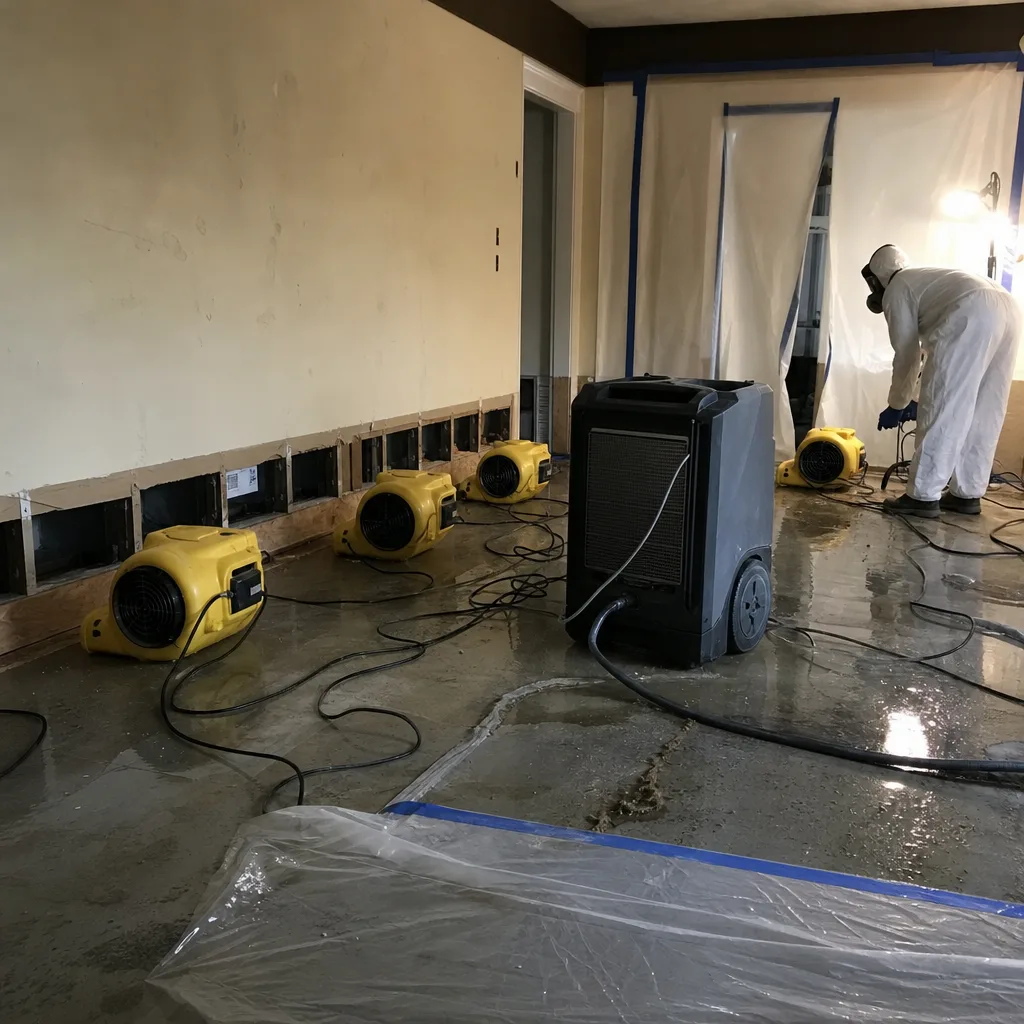
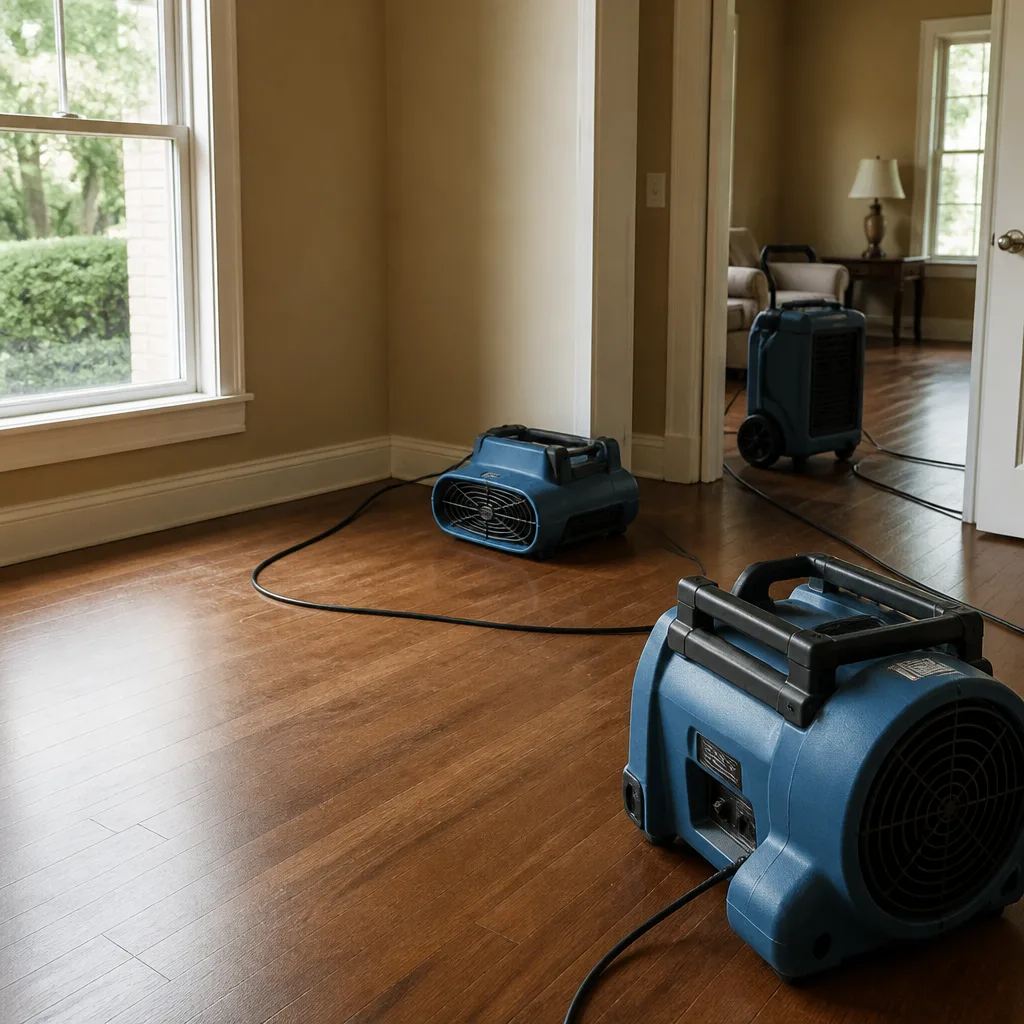 Water damage drying
 Fire & smoke cleanup
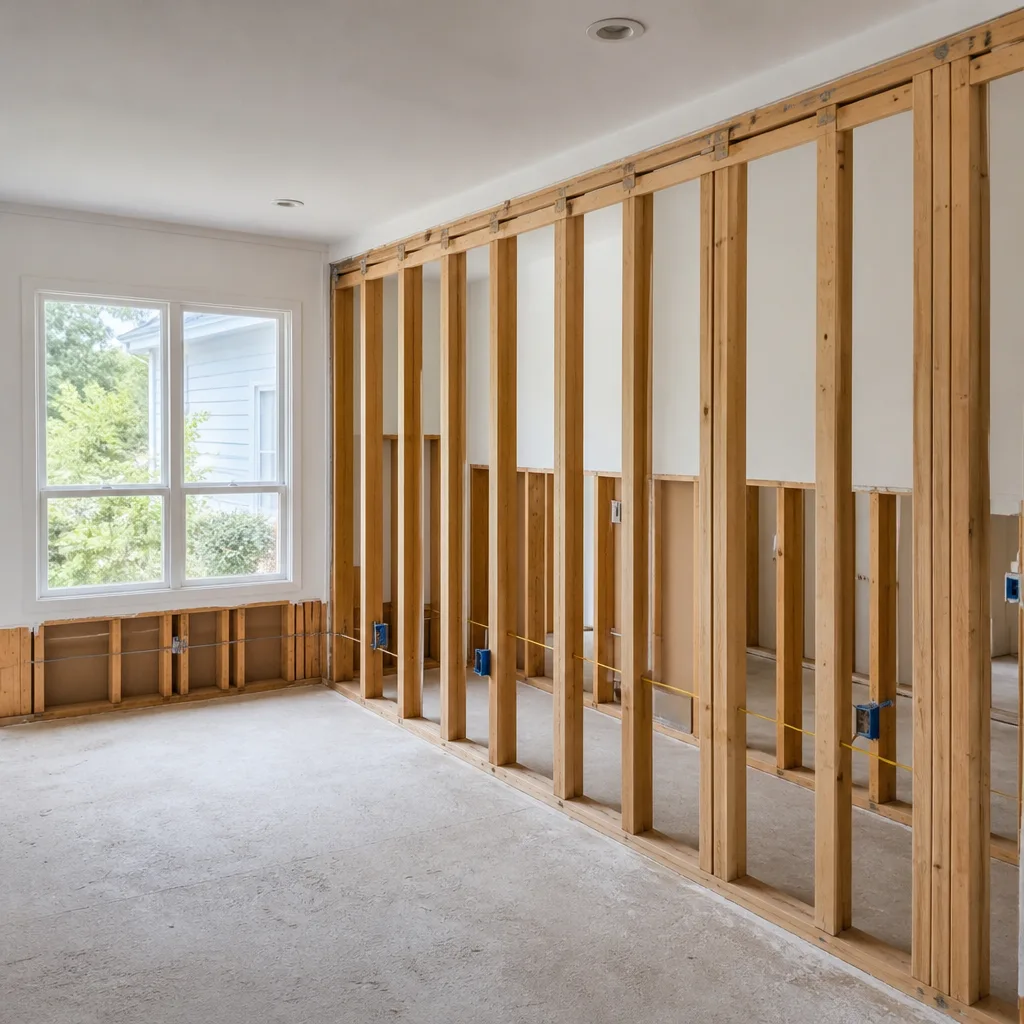 Mold remediation
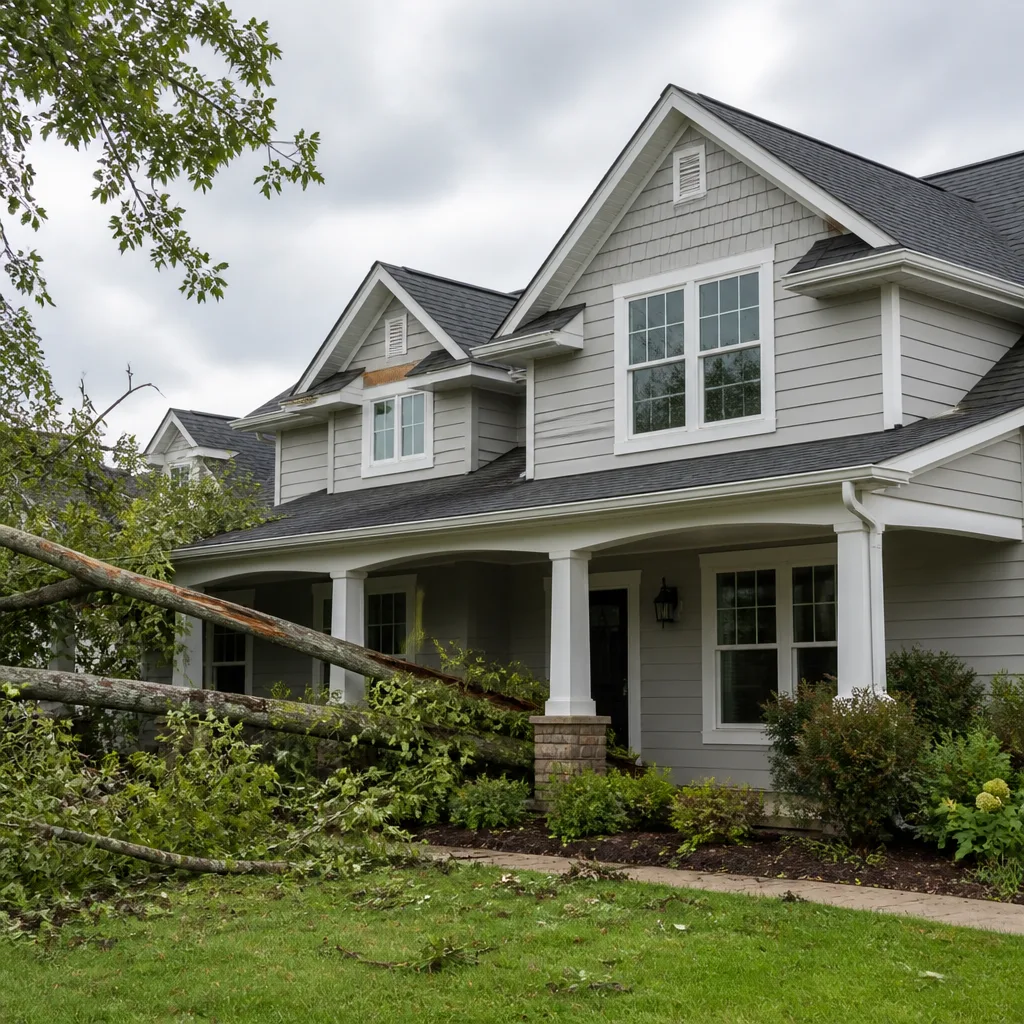 Storm response
 Sewage cleanup
 Reconstruction
Free visual inspection and a written scope of work before any mitigation begins - photos, moisture readings, and drying logs go in your claim file
The scope we write is the scope we bill. Anything new gets shown to you, in writing, before we touch it.
Get your free estimateThe Complete Guide to Damage Restoration in San Francisco
San Francisco has more pre-1940 housing units per capita than any other major U.S. city. That is not a trivia fact. It is the reason water behaves differently inside our walls than it does in Phoenix or Dallas. Horsehair plaster, redwood subfloors, and knob-and-tube wiring all absorb and hide moisture in ways modern drywall simply doesn’t, and a restoration guide written for a nationwide audience will miss what actually happens when a Victorian flat on Nob Hill or a 1950s stucco house in the Sunset takes on water. This guide is built from the ground up for San Francisco’s housing stock, its fog, its building codes, and the three decisions every homeowner faces after damage: mitigate, document, or restore. For damage restoration warning signs every San Francisco homeowner should know, see our companion guide. By the end, you will know how to sequence those decisions without losing your insurance claim rights, what your house is doing that you cannot see, and when a professional is the only sane option.
Restoration work we handle
Quick Answer
Damage restoration in San Francisco means finding where water traveled, not just where it pooled, then drying the structure past the visible tide mark using equipment calibrated for the city’s 75 – 80% ambient humidity. The full sequence is: stop the source, document everything for insurance, mitigate immediately, then scope restoration in writing before any rebuild begins. A local team with IICRC credentials and San Francisco-specific experience matters more than any national brand name because the city’s 125,000 pre-1940 housing units fail in ways that modern construction manuals never anticipated.
Table of Contents
- How San Francisco’s Housing Stock Changes Everything
- The Fog Factor: Why Drying Takes Longer Here
- Water Damage by Structure Type
- Mold Remediation in San Francisco: What It Actually Involves
- Fire Damage: What Survives Behind the Flames
- The Three Decision Gates: Mitigate, Document, or Restore
- The DBI Problem: When the City Gets Involved
- Pricing in San Francisco: What Things Cost and Why
- The Cedarwell Care Promise: What It Means in Plain Terms
- Common Mistakes to Avoid
- When to Call a Professional
- Frequently Asked Questions
- The Bottom Line
How San Francisco’s Housing Stock Changes Everything
Most restoration guides open with a definition of water damage and a three-step process. They assume a house is a house. In San Francisco, that assumption is the single most expensive mistake a homeowner can make, because the city’s housing stock falls into distinct structural generations that respond to moisture in fundamentally different ways.
A Victorian flat built in 1895 has balloon-frame walls. That means the stud cavities run continuously from foundation to attic, with no fire blocking and no horizontal interruption. When water enters a wall at the second floor, it travels down the cavity, across the sill plate, and into the plaster below. We have opened walls in the Mission where water from a second-floor tub overflow had run down two stories and pooled against the basement floor joists. The ceiling below looked dry. The plaster felt dry. The cavity was holding water like a straw.
Edwardsian row houses and 1920s-era homes present the opposite problem: they were built with redwood lath and plaster, materials that wick moisture laterally. Redwood is naturally rot-resistant, which is why those houses have survived a century of fog. But rot-resistant does not mean rot-proof. When moisture sits against redwood lath for weeks, fungi colonize the surface and the plaster keys fail. The wall looks intact until someone leans against it.
Mid-century stucco homes, common in the Sunset, the Richmond, and the Excelsior, trap moisture differently. The stucco exterior seals the front face, and when water enters through a roof leak or window flashing failure, it cannot escape outward. It drives inward instead, saturating the interior wall cavity. By the time paint bubbles indoors, the damage is often extensive and hidden.
Then there is the common denominator across all of it: knob-and-tube wiring. The city still has thousands of homes with original 1920s electrical systems. Water and energized knob-and-tube are a dangerous combination, and any restoration crew working in those walls needs to know how to identify it, isolate it, and coordinate with an electrician before drying begins. This is not a national-brand talking point. It is a San Francisco reality. For a deeper look at the water side of this equation, see our Water Damage Restoration in San Francisco guide.
The Fog Factor: Why Drying Takes Longer Here
San Francisco’s average relative humidity ranges from 75% to 80% year-round. Karl the Fog is charming until you need to dry a wall. Drying is a physics problem: moisture moves from wet materials to dry air. When the ambient air is already saturated, that moisture has nowhere to go unless the drying equipment creates its own microclimate.
The industry standard for structural drying is the IICRC S500. It specifies drying targets based on the normal equilibrium moisture content of building materials in a given region. A home in Las Vegas dries against 20% ambient humidity. A home in San Francisco dries against 80%. That means the same water event that takes three days in Phoenix can take five to seven days in the Outer Sunset, even with professional-grade equipment running around the clock.
This matters for two reasons. First, most national restoration franchises use standardized drying protocols calibrated for national averages. Their technicians set up air movers and dehumidifiers, take moisture readings, and leave. In San Francisco, a technician who does not account for ambient fog-driven humidity will under-dry the structure and declare the job done. The wall feels dry to the touch. Six weeks later, the homeowner smells must.
Second, under-drying is a claim problem. If an adjuster sees a drying log from a company that hit the S500 targets without San Francisco adjustments, they may close the claim as complete. Then the mold appears, and the homeowner is fighting a reopened claim on their own. The right drying plan in this city specifies equipment positioned for longer runtimes, moisture readings taken beyond the visible water line, and a final inspection that confirms the structure has returned to its San Francisco-normal equilibrium, not a Las Vegas one. A tide mark is the line water leaves on a wall. It is the first thing our technicians look for on every job, and we dry past it. That is the local difference.
Water Damage by Structure Type
Here is a practical breakdown of how water damage behaves in the three most common San Francisco housing types. This is the map an insurance adjuster will not hand you.
Victorian and Edwardian Flats (Pre-1930)
- Balloon-framed walls channel water down through multiple floors. A leak on the top floor is a basement problem within hours.
- Horsehair plaster holds water tightly and dries slowly. It also crumbles when disturbed, so aggressive demolition turns a $4,000 drying job into a $25,000 plaster restoration.
- Original subfloors are typically tongue-and-groove fir or redwood. They swell when wet and can buckle if dried too aggressively from one side only.
- Shared walls between units mean your leak is often your neighbor’s problem too. Restoration in a Victorian is rarely a single-unit job.
Mid-Century Stucco Homes (1940 – 1965)
- Stucco envelopes trap moisture inward. Water that enters through failing window flashing or roof penetrations has no exterior escape route.
- Interior wall cavities often lack vapor barriers, meaning moisture migrates into insulation and framing.
- Flat or low-slope roofs common in this era pool water during winter rains, and San Francisco’s rainy season is exactly when drying is hardest.
Modern and Renovated Units (1970 – Present)
- Drywall construction dries faster but shows damage sooner. Bubbling paint and soft drywall are early warnings, not the full picture.
- Renovated Victorians are often hybrid structures: modern drywall over original plaster, new electrical alongside abandoned knob-and-tube. Restoration crews must understand both systems at once.
Mold Remediation in San Francisco: What It Actually Involves
Mold remediation in this city is not a bleach-and-paint job. It is a containment, removal, and drying process governed by the same IICRC standards that apply nationally, but with San Francisco-specific complications: old materials that cannot be replaced, tight lot lines that limit exterior access, and tenants or family members living in the unit during the work.
A proper mold remediation follows four steps, and the order matters:
- Containment. The affected area is sealed with plastic sheeting and negative air pressure so spores do not spread to unaffected rooms. In a Victorian, this often means sealing off entire stairwells because the balloon-frame cavities connect floors.
- Source removal. Mold that has colonized porous materials (drywall, insulation, carpet pad) is removed in sealed bags. Non-porous surfaces are HEPA-vacuumed and wiped with antimicrobial agents. In homes with children and pets, we choose pet-safe antimicrobials wherever there is a choice.
- Drying. The cavity is dried to San Francisco equilibrium, not a national average. This is where the fog factor comes back into play. Equipment from Dri-Eaz and Phoenix runs longer here than it would in a dry climate, and the moisture log proves it.
- Clearance testing. Post-remediation air samples confirm spore counts have returned to a normal background range for the neighborhood. The homeowner gets documentation, not a verbal assurance.
The honest answer to “Do I really need full remediation or just a cleaning?” is: it depends on the square footage of colonization, the material affected, and whether anyone in the home has respiratory sensitivities. What looks like a small patch of bathroom ceiling mold can be a much larger colony living in the wall cavity behind it. A visual inspection without opening the wall cannot tell you the difference. Our full Mold Remediation in San Francisco guide covers the remediation thresholds in detail.
Fire Damage: What Survives Behind the Flames
Fire damage restoration in San Francisco starts with an uncomfortable truth: the flames are often the least of your problems. Smoke, soot, and the water used to put the fire out cause more long-term damage than the burn itself.
Why San Francisco specifically? Two reasons. First, older homes with balloon-frame walls give smoke a vertical chimney to travel through. A kitchen fire on the first floor of a Victorian will draw smoke up through wall cavities, into the attic, and across shared walls into neighboring units. The fire may be contained to one room, but smoke damage can extend through the entire structure.
Second, the water. Fire department operations pump hundreds of gallons into a structure. In a modern slab-on-grade home, that water sits on the floor. In a San Francisco Victorian with a raised foundation, it runs through the subfloor and into the basement, where it pools against redwood framing and starts the same hidden decay process described in the water section.
Restoration sequence for fire damage:
- Board-up and tarping to secure the structure against weather and entry.
- Water extraction and drying from fire suppression. This must happen before any smoke work. You cannot clean soot out of a wet wall.
- Soot and smoke residue removal from every surface, including the inside of HVAC ducts. Smoke penetrates every cavity.
- Content assessment, separating salvageable items from total losses, with photo documentation for insurance.
- Structural rebuild scoping, written and priced before any reconstruction work begins.
The mistake most homeowners make is hiring a general contractor for the rebuild and assuming the fire restoration crew handles the smoke. Those are two different disciplines. A contractor who is not trained in smoke chemistry will paint over soot instead of removing it, and the house will smell like a campfire for years. We cover the full scope in our Fire Damage Restoration in San Francisco guide.
The Three Decision Gates: Mitigate, Document, or Restore
Every San Francisco homeowner facing damage hits the same three decision points. The order is not optional, and the mistakes made at gate one or two will cost you at gate three.
Gate One: Mitigate Now
Mitigation is the emergency response: stopping the water source, extracting standing water, setting drying equipment, and removing materials that cannot be saved. This should happen within hours, not days. In San Francisco’s climate, mold colonization starts faster than most people expect because the ambient humidity is already high enough to support fungal growth. The water does not have to sit for a week to become a mold problem in this city.
Mitigation is also where the homeowner has the most control. You can shop restoration companies, compare written scopes, and ask questions. But the clock is running. A good mitigation company in San Francisco will deliver a written price before any equipment comes off the truck, show up with shoe covers and drop cloths as standard procedure, and take moisture readings that establish a baseline for the insurance claim.
Gate Two: Document for Insurance
Documentation is not a step to skip and catch up on later. It is the difference between a claim that settles in 30 days and one that drags on for six months. Every San Francisco homeowner should photograph everything before anyone touches the scene: standing water, wet drywall, the source of the leak, personal belongings in the affected area. Then photograph again as mitigation begins. Then photograph the final dry-out.
Insurance adjusters work from evidence. A restoration crew that documents with date-stamped photos and moisture logs built for San Francisco’s climate gives the adjuster what they need to approve the claim. A crew that says “we’ll handle the insurance” without providing documentation is handing the homeowner a fight they will lose. Photo documentation before the crew leaves is standard on every Tidemark job, and you see exactly what was done and how it was left.
Gate Three: Scope for Full Restoration
Restoration is the rebuild: replacing drywall, refinishing floors, repainting, reconstructing whatever mitigation removed. This is scoped, scheduled, and priced in writing like a remodel. There is no emergency rush at gate three. The structure is dry. The claim is documented. Now the homeowner makes decisions about finishes, materials, and scope, and the written price is agreed to before any work begins.
The three gates sometimes overlap. A severe water event in a Sunset District home may require mitigation and documentation simultaneously while restoration gets scoped later. The key is never collapsing gate three into gate one. You do not rebuild while the structure is still wet, and you do not spend restoration dollars before the insurance claim is locked in.
The DBI Problem: When the City Gets Involved
Homeowners are frequently surprised to learn that the San Francisco Department of Building Inspection has jurisdiction over what felt like a private emergency. The DBI gets involved in restoration projects more often in San Francisco than in almost any other U.S. city, and the trigger is almost always the structure itself. For details on when permits are required, see our guide to damage restoration permits, codes & inspections in CA.
When water damage exposes knob-and-tube wiring, the DBI requires that exposed wiring be brought to current code before the wall is closed back up. You cannot dry a wall cavity, patch the plaster, and pretend the 1924 wiring is fine. The inspector will not sign off, and an unpermitted repair becomes a disclosure problem when the home is sold.
When fire damage affects structural framing, the DBI requires a structural engineer’s assessment before reconstruction permits are issued. This is true even when the fire was contained to a single room. Smoke-charged water that saturated floor joists or roof rafters triggers a red-tag review until an engineer certifies the framing is sound.
When mold remediation involves opening more than a certain square footage of wall surface, the work may require a building permit. The threshold varies by project scope, but the practical rule is: if the remediation exposes the wall cavity and the work involves removing lath and plaster, assume the DBI wants to know about it.
None of this is punitive. The DBI’s mandate is preserving San Francisco’s housing stock, and that housing stock is irreplaceable. But homeowners should never assume their restoration project is “just drying.” If the structure is pre-1940 and the water or fire exposed framing, wiring, or structural materials, a permit conversation is coming. A restoration company that knows the DBI’s expectations can sequence the work so the emergency is handled first and the permit process follows without delaying the claim.
Pricing in San Francisco: What Things Cost and Why
Restoration pricing in San Francisco runs higher than national averages, and the reasons are structural: labor costs, parking and access challenges, DBI permit fees, and the simple truth that working inside a 100-year-old wall takes longer than working inside a 2020 drywall cavity. Here is a practical breakdown of what categories of damage restoration cost in this city:
| Service | Typical Range | What Drives the Price |
|---|---|---|
| Water extraction and drying (single room) | $1,800 – $4,500 | Equipment runtime, moisture monitoring, San Francisco humidity adjustments |
| Water damage restoration (full mitigation + rebuild, one room) | $4,000 – $12,000 | Plaster vs. drywall, DBI permits, knob-and-tube exposure, material removal and replacement |
| Mold remediation (contained area, under 100 sq ft) | $2,500 – $7,000 | Containment setup, HEPA equipment, clearance testing, old-material removal |
| Mold remediation (full room or multi-room) | $7,000 – $20,000+ | Square footage, plaster demolition, DBI involvement, post-remediation rebuild |
| Fire damage restoration (smoke/soot cleanup, one room) | $5,000 – $15,000 | Soot chemistry, HVAC cleaning, content assessment, water extraction from suppression |
| Fire damage restoration (structural rebuild) | $20,000 – $100,000+ | Structural engineer, DBI permits, framing replacement, full rebuild scope |
These ranges assume a mid-sized San Francisco home or flat. The actual number for your situation depends on the structure type, the extent of hidden damage, and whether the DBI is involved. What does not vary is this: the written price comes before any work starts, every time, on every job. No one picks up a tool until the homeowner has seen and approved the number. That is the standard we work to at Tidemark Water Damage San Francisco home, and it is the only arrangement that protects a homeowner from the “final invoice surprise” that gives this industry its reputation.
The Cedarwell Care Promise: What It Means in Plain Terms
Tidemark Water Damage Restoration is an independently owned and operated location of the Cedarwell Care Promise, a network built around a set of standards that larger national franchises do not match. Here is what that means when your home is the one with water running across the floor.
Written price first. Before any equipment is unloaded, you get a written scope of work with a fixed price. Not an estimate that balloons. Not a verbal range that grows into a different number. A written price. This is the single biggest trust gap in the restoration industry, and it is the first Cedarwell standard.
Pet-safe products. Where there is a choice in antimicrobials, drying agents, and cleaning products, we choose pet-safe formulations. We also run equipment on lower-decibel settings during school hours and nap time. Homeowners with children and pets should not have to trade one worry for another.
The 365-Day Done Right Promise. If the restoration is not done right, we make it right. That promise stands for a full year after the crew has left. If a dried wall shows signs of returning moisture, if a mold cleanup fails clearance, if a fire restoral develops an odor months later, we return and address it. No re-invoicing. No argument.
Live answers. The phone is answered by a real person at all hours, not a voicemail or a callback queue. Water damage does not wait for business hours, and neither does the person on the other end of the line.
Protection as standard. Shoe covers go on at the door. Drop cloths cover the floor before the first piece of equipment comes in. This is not an upsell. It is how every job starts, because the homeowner should not have to ask for their floors to be protected.
A photo before we leave. Every job ends with a photograph of the clean-up, shared with the homeowner, so they see exactly what was done and how the space was left. There is no mystery about what happened while the crew was inside the walls.
Common Mistakes to Avoid
- Waiting until the wall feels dry before calling. In San Francisco’s 75 – 80% ambient humidity, a wall can feel dry while the cavity behind it is holding enough moisture to support mold growth. The first 48 hours matter more here than in dry climates.
- Hiring a national franchise without asking about San Francisco-specific drying protocols. Standardized national drying targets under-dry structures in this climate. Ask a provider how they adjust for San Francisco’s fog-driven humidity before signing anything.
- Skipping documentation because “the insurance company will send someone out.” Adjusters visit days or weeks after the event. Photograph everything before anyone touches the scene. Your phone is the evidence.
- Opening up plaster walls yourself to investigate. Horsehair plaster crumbles once disturbed, and knob-and-tube wiring hiding behind it is a serious hazard if it has been exposed to water. Leave exploratory demolition to a trained crew.
- Accepting an estimate without a written scope of work. An estimate is a number. A scope is a list of exactly what will be done, in what order, with what materials. The scope protects you when the invoice arrives.
- Rebuilding before the structure is fully dried to San Francisco equilibrium. Closing a wall that is still drying traps moisture and guarantees a mold problem within months. The drying log should show return to SF-normal equilibrium, not a national average.
When to Call a Professional
Call a professional when the water source is inside a wall, ceiling, or floor cavity. When the affected area is larger than a single bath towel can handle. When water has been sitting for more than 24 hours. When mold is visible beyond a small patch of surface staining. When a fire has left smoke residue on walls, ceilings, or inside ductwork. When the structure is pre-1940, assume the situation is more complicated than it looks. In any of these cases, the cost of hesitation in San Francisco is often measured in thousands of dollars and months of construction. Tidemark Water Damage San Francisco offers free estimates throughout the city, and our blog has more guides & resources for navigating damage restoration. Call (831) 400-3496 and a real person will answer, day or night.
Frequently Asked Questions
Mitigation response in San Francisco should begin within hours, not days, because the city’s ambient humidity accelerates mold growth compared to drier climates. We run 24/7 live dispatch, and our crews are positioned to reach every San Francisco neighborhood quickly. Call (831) 400-3496 any hour, and a real person will answer, not a voicemail.
Homeowners insurance typically covers sudden and accidental water damage, including burst pipes and appliance failures, but exclusions apply for gradual leaks and seepage, which are common in older San Francisco homes where slow plumbing leaks behind plaster go undetected for months. Mold remediation coverage varies by policy and often has a separate cap. The strongest position for any claim is thorough photo documentation and a written scope from a restoration professional who understands what adjusters need to see.
If the visible mold covers more than 10 square feet, or if it is growing in materials that cannot be fully cleaned (drywall, insulation, carpet underlay), remediation is the only option that stops recurrence. In San Francisco’s fog-humid climate, surface cleaning alone frequently fails because the moisture source feeding the mold is still active inside the wall cavity. Call (831) 400-3496 for an inspection that can tell the difference.
We do. Your restoration team should serve as the primary technical contact for your adjuster, providing documentation, answering questions about scope, and walking the adjuster through the damage in person. The homeowner is never left to translate technical restoration language on their own. Photo documentation, moisture logs calibrated for San Francisco, and a written scope are prepared for the adjuster from day one.
Drying times in San Francisco typically run three to seven days, which is longer than the 48-to-72-hour standard in drier climates because ambient humidity in this city averages 75 – 80%. Full restoration, including rebuild, depends on the scope but commonly runs from two weeks for a contained single-room water event to several months for multi-room fire rebuilds with DBI involvement.
If your home is pre-1940 and the damage exposes knob-and-tube wiring, structural framing, or a significant wall cavity, DBI involvement is likely. The threshold varies by project, but the practical rule is: assume the city wants to know about any work that opens original building materials. A restoration company with San Francisco-specific experience can sequence the permit process so it does not delay the emergency mitigation or the insurance claim.
The Bottom Line
Damage restoration in San Francisco rewards homeowners who treat it as a sequence of decisions, not a single emergency call. Mitigate fast, because the fog-saturated air compresses the mold clock. Document everything, because insurance claims run on evidence. Scope restoration in writing, because the rebuild is a remodel, not an emergency. Find a team that understands Victorian balloon-frame walls, mid-century stucco traps, DBI permit expectations, and San Francisco-specific drying targets. The tide mark does not lie, and drying past it is the whole job. If you want a restoration partner who works to a written-price-first standard, protects floors and finishes as a default, and stands behind the work for a full year, call us at (831) 400-3496 and we will walk you through it.
Written by Rick Sumner, Owner at Tidemark Water Damage San Francisco, serving San Francisco since 2006.
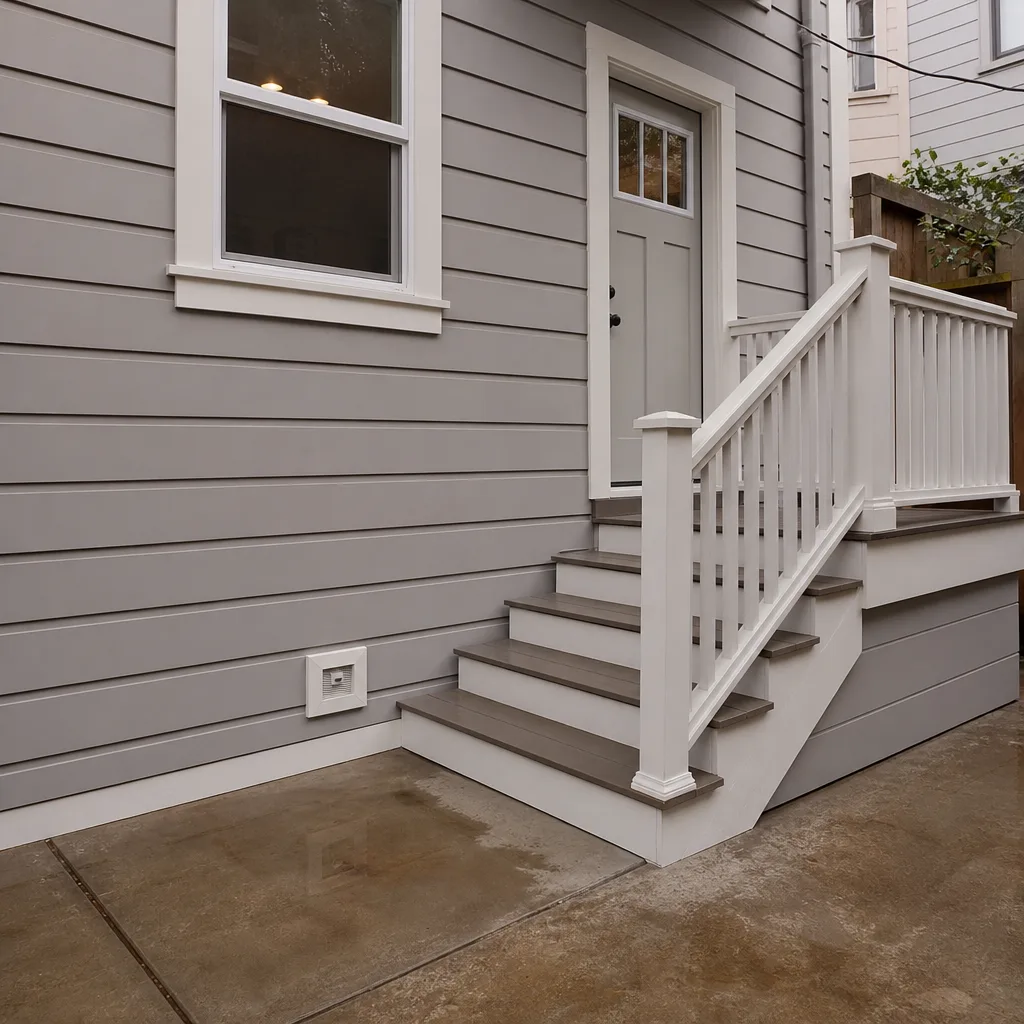
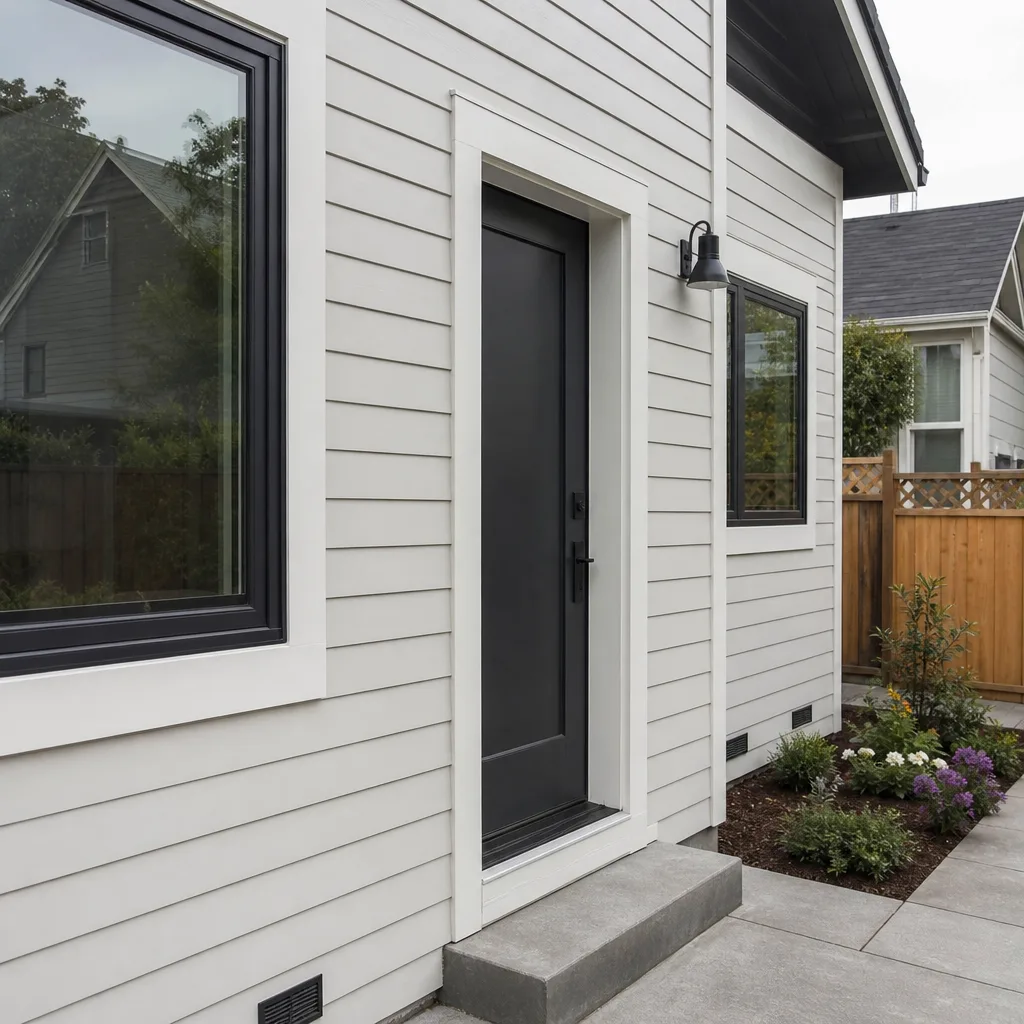
See the difference
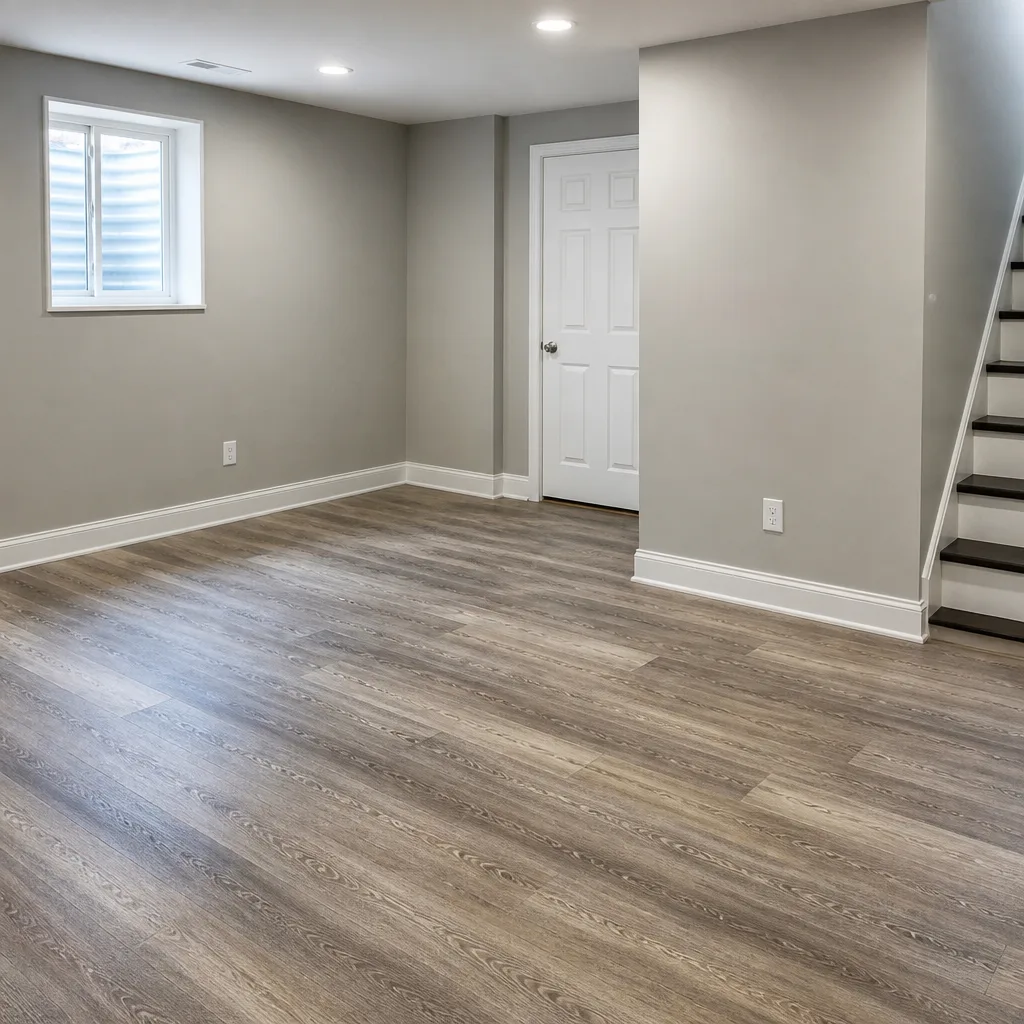
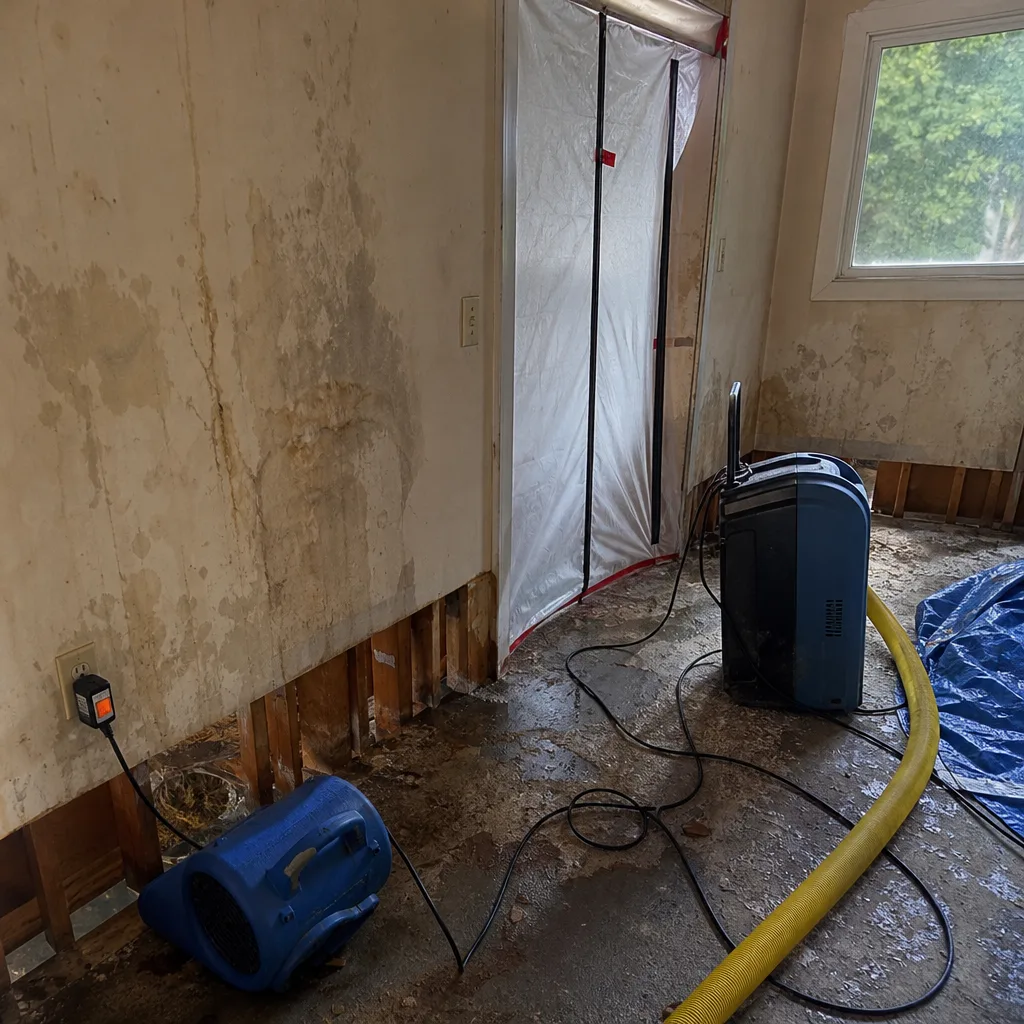 Before
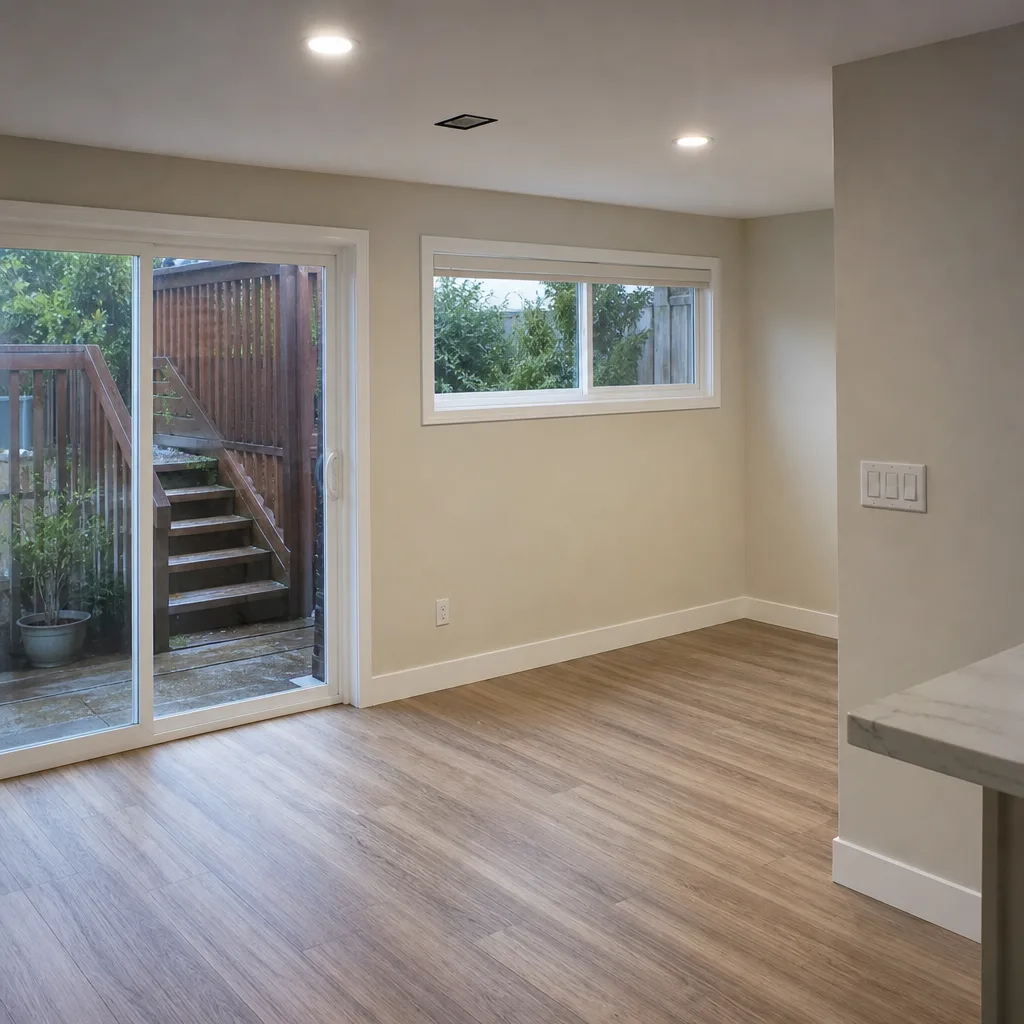 After
After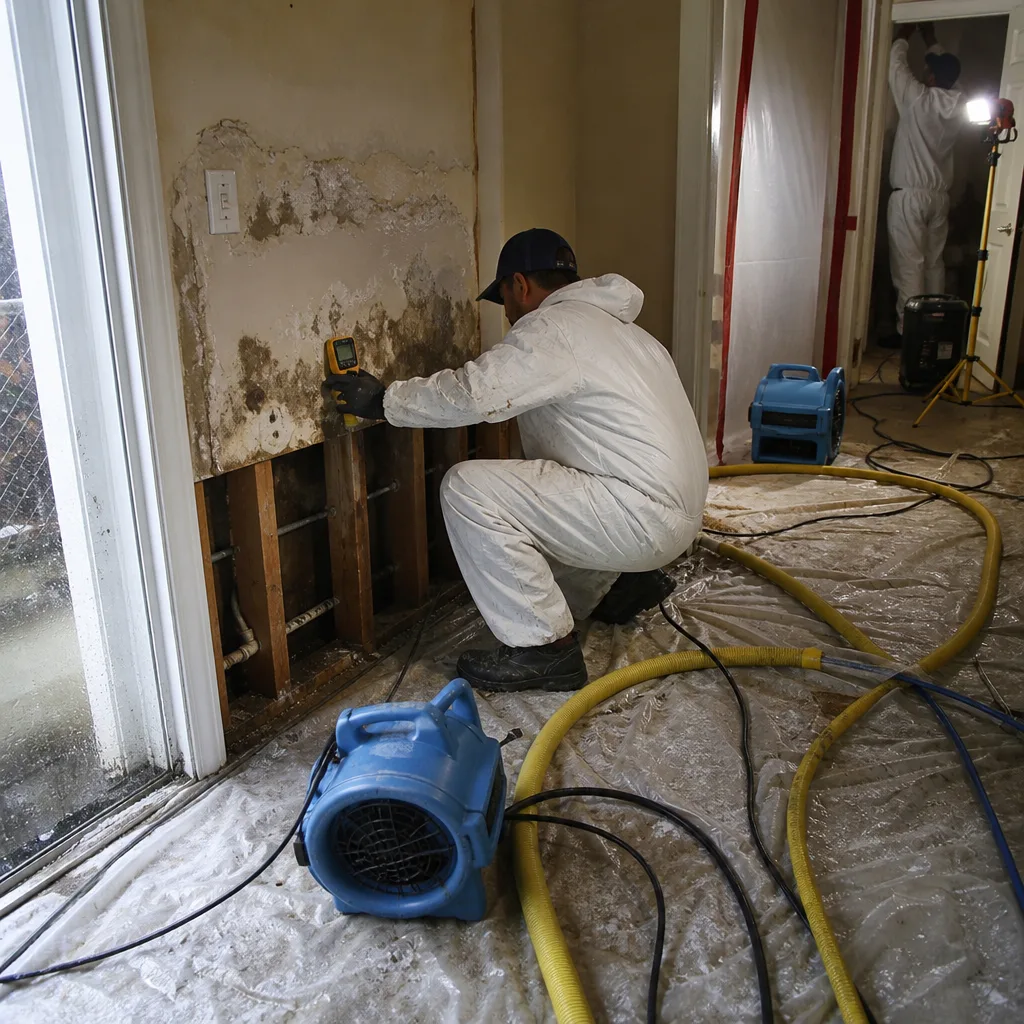 Before
 After
After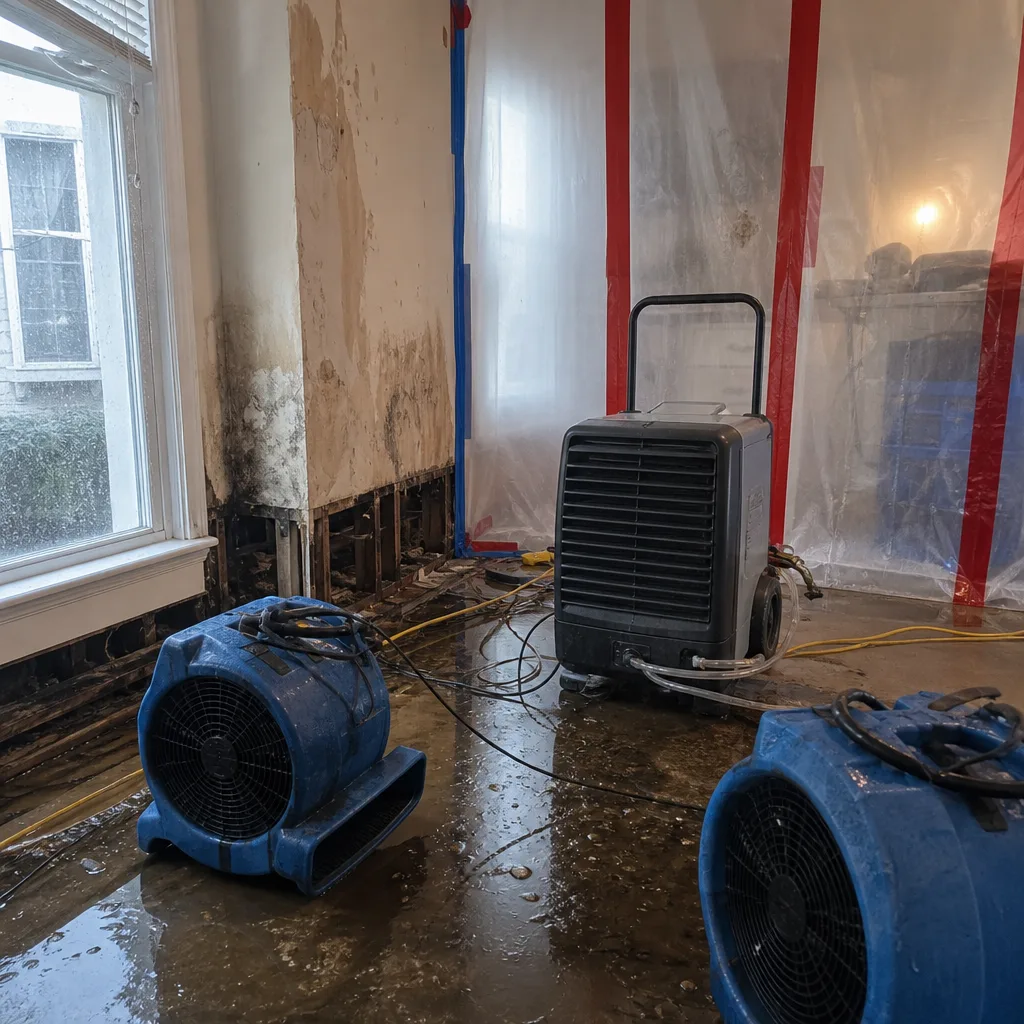 Before
 After
After