
Last updated October 16, 2026
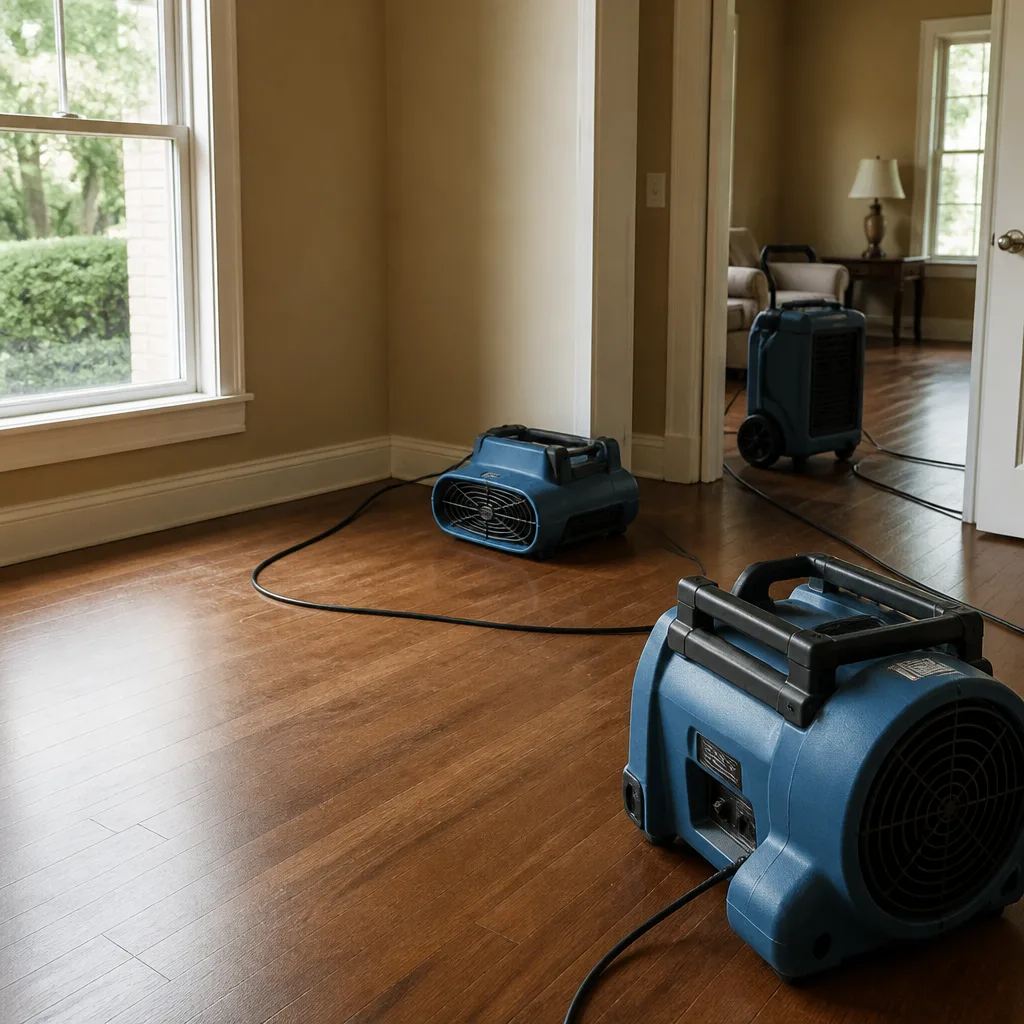 Water damage drying
 Fire & smoke cleanup
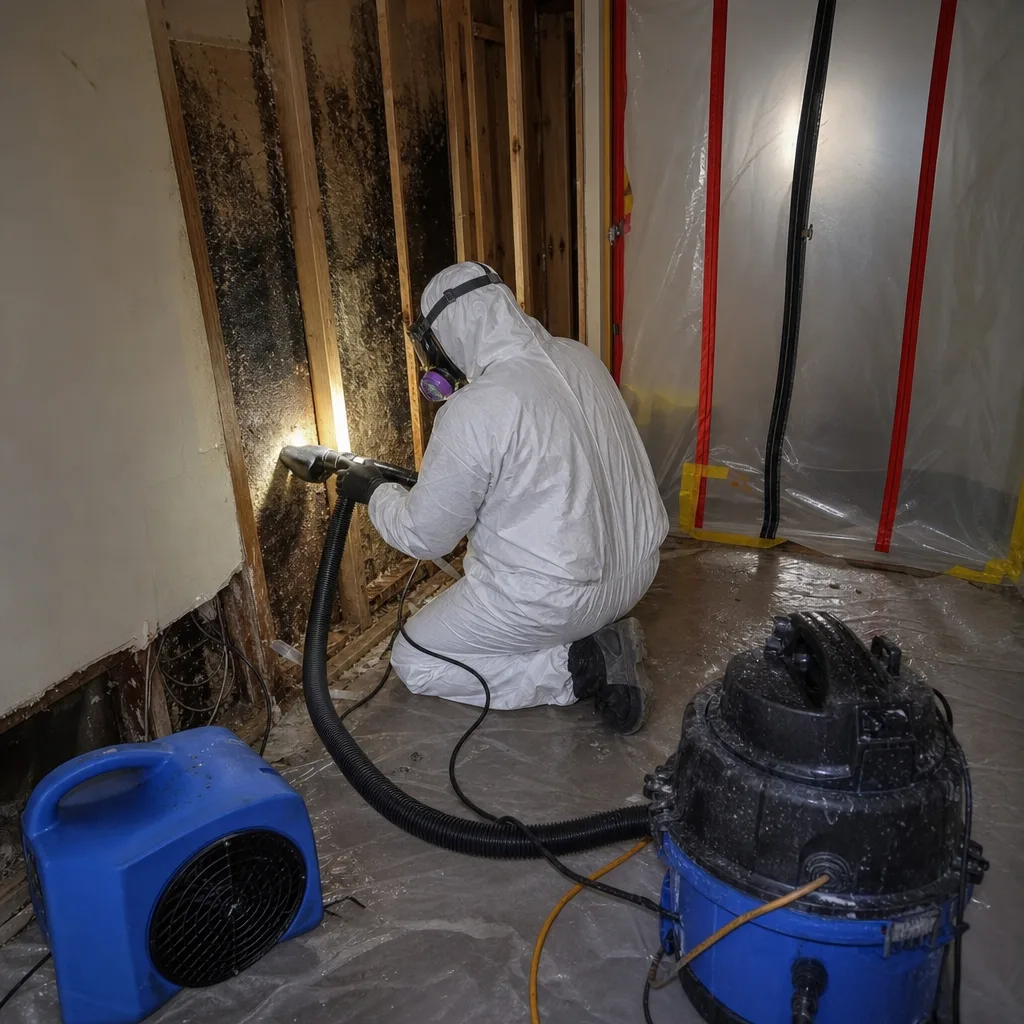
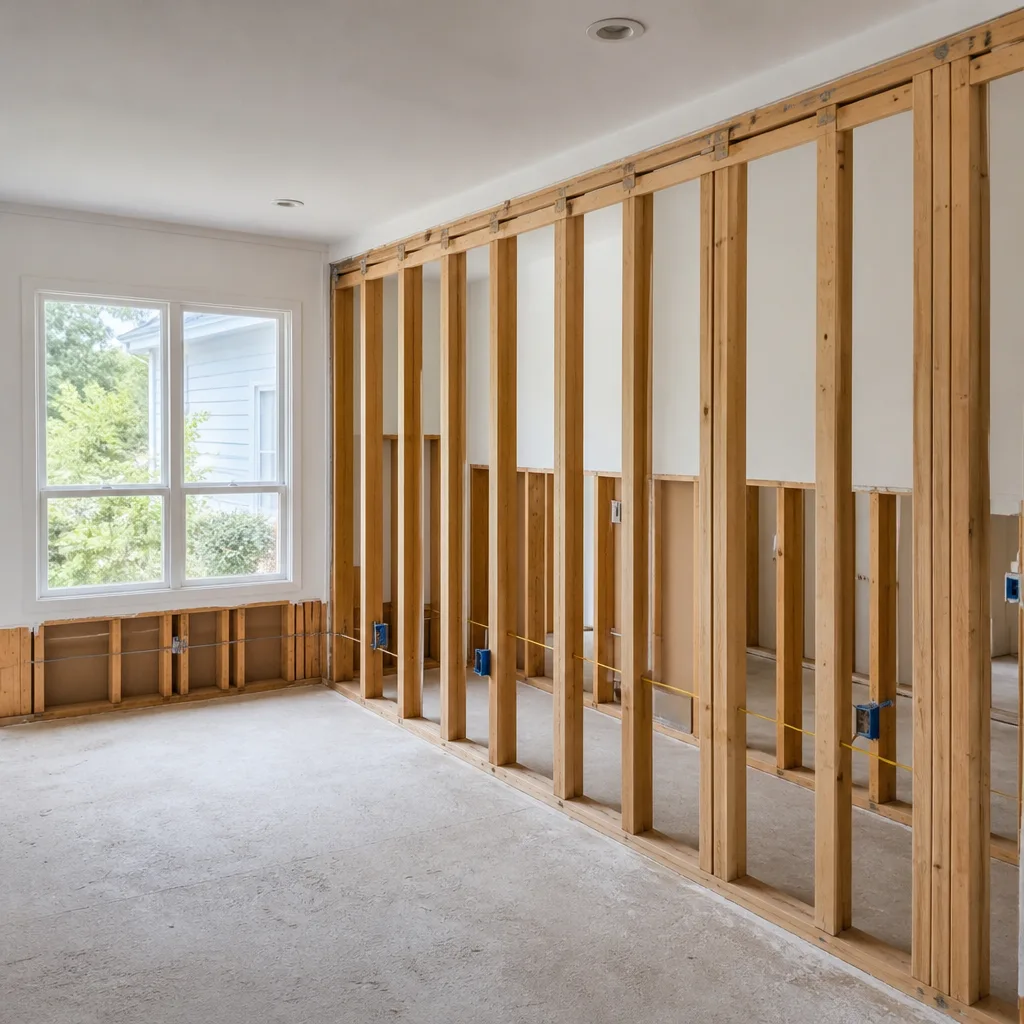 Mold remediation
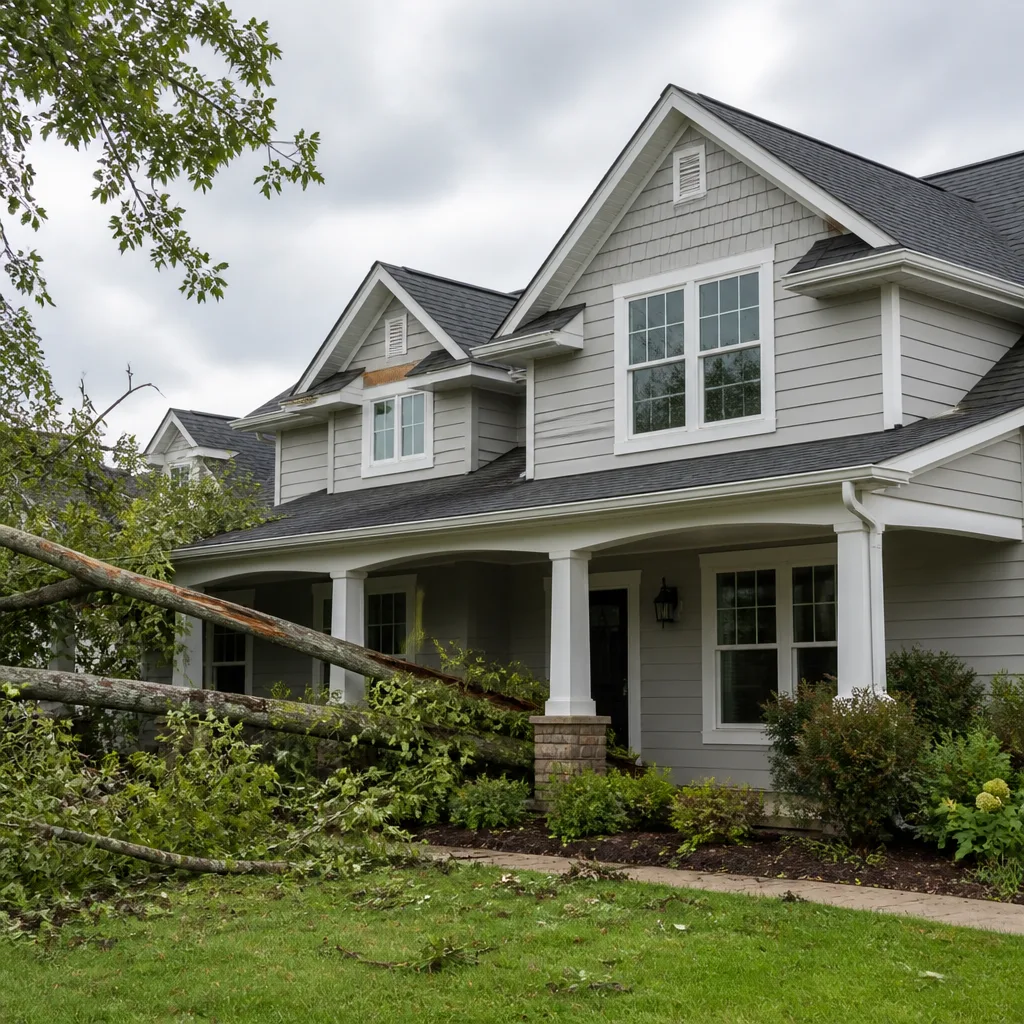 Storm response
 Sewage cleanup
 Reconstruction
Free visual inspection and a written scope of work before any mitigation begins - photos, moisture readings, and drying logs go in your claim file
The scope we write is the scope we bill. Anything new gets shown to you, in writing, before we touch it.
Get your free estimateHow to Hire a Damage Restoration Contractor in San Francisco: A Step-by-Step Guide
In California, a contractor can legally perform water damage mitigation, including tearing out drywall and baseboards, without a CSLB contractor’s license if they call it “emergency services.” That loophole costs San Francisco homeowners millions every year in botched dry-outs, voided claims, and unpermitted work. This guide closes it. You’ll learn exactly which license classifications to verify, the script to run on every contractor before they step inside, and why the difference between a mitigation contractor and a restoration contractor can determine whether your insurance claim ever gets paid.
Quick Answer
Hire a damage restoration contractor in San Francisco by first verifying their CSLB license classification matches the scope of work (C-10 electrical, C-36 plumbing, or B general building), then demanding a written scope and price before any emergency mitigation begins, and finally confirming they carry general liability and workers’ compensation insurance in their own name. Avoid any contractor who pressures you to sign an assignment of benefits, quotes verbally without inspecting, or cannot produce a local San Francisco business address.
Restoration work we handle
Table of Contents
- The CSLB License Classes You Must Verify Before Anyone Touches Your Home
- Why a Written Scope and Price Before Mitigation Protects You Legally and Financially
- Mitigation Contractor vs. Restoration Contractor vs. General Contractor: Know the Difference
- Red Flags Specific to Post-Storm Surge Contractors in San Francisco
- The 10-Question Vetting Script: Acceptable and Unacceptable Answers
- How to Check a CSLB License on the State Portal in Under 90 Seconds
- How Your Homeowners Insurance Fits Into the Hiring Decision
- Common Mistakes to Avoid
- When to Call a Professional
- Frequently Asked Questions
The CSLB License Classes You Must Verify Before Anyone Touches Your Home
Most San Francisco homeowners skip license verification because they assume any contractor who shows up in a branded truck is legitimate. Here’s the problem: California has over 40 contractor license classifications, and only a few of them legally cover the work a restoration contractor performs. A contractor holding a C-15 flooring license, for example, is not licensed to remove water-damaged drywall, run drying equipment, or handle the electrical disconnects that water-damaged wiring often requires.
We’ve walked into San Francisco homes in the Sunset District and Noe Valley where unlicensed crews started cutting walls only to discover the homeowners later had no recourse when the drying failed and mold appeared six weeks later. The contractor was long gone, and the CSLB could do nothing because no license existed to revoke.
Here are the classifications that matter for damage restoration in San Francisco:
- B – General Building Contractor: Covers the broad scope of structural repairs, rebuilding, and most restoration work. A B license is the baseline for any contractor who will open walls, remove damaged materials, and rebuild them.
- C-36 – Plumbing Contractor: Required for any plumbing repairs, repiping, or water line work beyond simple fixture changes. If a restoration contractor tells you they’ll “take care of the pipe too,” verify the C-36 on their license.
- C-10 – Electrical Contractor: Required when water damage has affected wiring, outlets, or panels. A contractor cannot legally touch water-affected electrical systems without this classification.
- C-15 – Flooring and Floor Covering: Only covers floor materials. A C-15 holder cannot legally tear out wet baseboards or drywall.
- C-61 / D-64 – Limited Specialty (Water Damage): Some restoration companies operate under limited specialty classifications. These are valid but narrow, so confirm the specific scope language on their license.
The takeaway: the contractor you hire should hold a B license at minimum for structural drying and rebuild work, with C-36 and C-10 subcontractors or credentialed technicians handling plumbing and electrical components. If a single contractor claims to do everything, ask which classifications they hold and verify each one.
What About Emergency Mitigation Without a License?
The emergency services loophole is real, and it’s precisely why this guide opens with it. California allows unlicensed individuals to perform “emergency work” such as tarping a roof or extracting standing water to prevent further damage. But the moment that work expands to cutting drywall, removing flooring, applying antimicrobials, or running drying equipment as a paid service, licensing requirements kick in.
The practical question is whether your insurance company will recognize work performed by an unlicensed contractor. Most policies require that repairs be performed by licensed professionals to be covered. If you sign with an unlicensed “emergency mitigation” crew and the claim is later denied, you have no legal standing against the contractor and your insurer has grounds to deny the entire claim.
In San Francisco, the Department of Building Inspection also requires permits for most reconstruction work beyond basic drying and material removal. An unlicensed contractor cannot pull permits, which means any rebuild work they perform will be unpermitted, uninsurable, and flagged during any future home sale.
Why a Written Scope and Price Before Mitigation Protects You Legally and Financially
The most common pushback San Francisco homeowners hear from restoration contractors is: “We can’t give you a price until we open the walls and see what’s inside.” That sentence is where many homeowners get trapped. Here’s the truth: a competent restoration contractor can write a detailed scope of work based on moisture mapping, visual inspection, and equipment readings before any demolition begins. The price for what’s visible and measurable can be written down. What changes after opening walls is the discovery of additional damage, which should trigger a documented change order, not an open-ended blank check.
A written scope matters for three specific reasons in San Francisco:
- Insurance claims require documentation. Your adjuster will ask for the initial scope, the moisture readings, the drying log, and the final invoice. A verbal quote that balloons into a surprise invoice makes the claim harder to process and can result in out-of-pocket costs the insurer refuses to cover.
- California’s consumer protection laws favor documented agreements. Under state law, any home improvement contract over $500 requires a written contract. Verbal agreements leave you with little legal recourse if the contractor walks away mid-job.
- It filters out contractors who plan to upsell after they have your home opened up. A contractor who refuses to write a scope before starting is often a contractor who plans to discover “surprises” once walls are open and you have no choice but to pay.
What a Legitimate Written Scope Includes
A proper scope of work from a restoration contractor should include:
- Specific rooms and square footage affected
- Moisture readings from walls, floors, and ceilings
- Equipment list with brand names and counts (for example, two Dri-Eaz dehumidifiers, four Phoenix air movers)
- Number of days the drying equipment will run, with monitoring intervals
- Specific materials to be removed and replaced, itemized
- Labor hours and rates for each phase
- Line-item pricing for every phase, not a single lump sum
- Change order process for discovered damage
At Tidemark Water Damage San Francisco, the written price comes before any work starts. That’s not a marketing line, it’s the way Rick Sumner has run restoration jobs in this city since 2006. Shoe covers go on at the door, drop cloths cover the floor before the first piece of equipment comes in, and the homeowner sees the number in writing before a single wall is opened.
Mitigation Contractor vs. Restoration Contractor vs. General Contractor: Know the Difference
San Francisco homeowners lose thousands of dollars every year because they hire the wrong type of contractor for the wrong phase of the job, a problem our Water Damage Restoration Maintenance Checklist for San Francisco Homeowners helps prevent. The confusion is understandable: water, mold, and fire restoration all involve three distinct phases, and each phase has a different licensing, insurance, and pricing structure.
Phase One: Mitigation
Mitigation means stopping the active damage. For water, that’s extraction, structural drying, and antimicrobial application. For fire, it’s boarding up openings, tarping roofs, and beginning smoke and soot cleanup. Mitigation is time-sensitive, usually priced per square foot or per day of equipment use, and requires fast response. This is where restoration companies like ours operate, and it’s the phase where homeowners are most vulnerable to high-pressure tactics because the clock is ticking.
Phase Two: Restoration
Restoration means bringing the home back to its pre-loss condition. This includes replacing drywall, flooring, cabinetry, and paint. Restoration work is scoped, scheduled, and priced in writing like a remodel. It requires a B license for the structural work, plus subcontractors with C-36 and C-10 classifications for plumbing and electrical. Restoration is typically not urgent, which means you have time to get multiple bids and compare line items.
Phase Three: Reconstruction
Reconstruction is a larger-scale rebuild, usually after fire or severe structural water damage. This work is done by a general contractor, often with architectural plans and multiple permit approvals. Some restoration companies including Tidemark handle reconstruction, while others refer this phase out. The key is understanding which phase you’re in and which contractor type is appropriate for that phase.
Why the Confusion Costs So Much
When a San Francisco homeowner calls a general contractor for emergency water extraction, that contractor might not have the drying equipment or the IICRC-certified technicians to do mitigation properly. The result: moisture gets trapped, mold develops, and the homeowner ends up paying for a second round of mitigation before restoration can begin. Conversely, calling a mitigation-only company for full reconstruction often means the company subcontracts the rebuild and adds a markup, or the homeowner is left to find a separate general contractor mid-project and pay for overlapping scope.
The practical solution is to hire a restoration company that can handle both mitigation and restoration under one written scope, with clear phase pricing. Ask directly: “Do you do the rebuild in-house or do you subcontract it?” The answer tells you whether you’ll be coordinating two different contracts or one.
Red Flags Specific to Post-Storm Surge Contractors in San Francisco
San Francisco doesn’t get hurricanes, but it does get atmospheric river events, king tides in the Marina and Mission Bay, and coastal flooding that sends out-of-town contractors streaming into the city, as detailed in our Seasonal Damage Restoration Care for San Francisco: Year-Round Homeowner’s Guide. These storm chasers follow weather events, work a neighborhood for a few weeks, and then move on. The damage they leave behind often doesn’t show up until they’re gone.
Here are the red flags specific to post-storm surge contractors in San Francisco:
- They pressure you to sign an assignment of benefits (AOB). An AOB hands control of your insurance claim to the contractor, who then bills your insurer directly. In California, AOBs are legal but heavily exploited. Once signed, the contractor controls the claim, can inflate the scope, and you lose the ability to negotiate or dispute. Reputable restoration companies bill the insurer with your consent but keep you in control of the claim.
- They have no local business address. A contractor who gives you a P.O. box, a hotel room number, or an address in another state is a storm chaser. Verify the address on their license and on their insurance certificate. If the address doesn’t resolve to a physical location in or near San Francisco, walk away.
- They offer a verbal warranty. “Don’t worry, we guarantee our work,” means nothing if it’s not in writing. A legitimate restoration contractor will put the warranty in the contract, with specific terms and a defined timeline. At Tidemark, every job is backed by the 365-Day Done Right Promise in writing: if the restoration isn’t done right, we make it right.
- They ask for full payment upfront. California law limits down payments for home improvement contracts to 10% of the total project cost or $1,000, whichever is less. Any contractor asking for more upfront is violating state law and likely planning to disappear.
- They rush you to sign “right now” because the price expires today. Legitimate restoration pricing doesn’t expire in 24 hours. A written scope and price from an honest contractor remains valid for a reasonable period, and good contractors would rather you take an hour to read the contract than sign under pressure.
In our experience, the homeowners who get hurt most are the ones who sign something at 2 a.m. while water is still pooling on the floor and a contractor is standing there with a tablet. The pressure is real, but the legal protections in California are stronger than most people realize. You have rights, and a legitimate contractor will respect them.
The 10-Question Vetting Script: Acceptable and Unacceptable Answers
This section gives you the exact script to run on any restoration contractor before you let them inside your San Francisco home. It’s designed to take five minutes or less on the phone. The purpose isn’t to trip anyone up, it’s to filter out the contractors who can’t answer basic questions about licensing, scope, and process. A good contractor will answer all ten without hesitation.
Question 1: “What is your CSLB license number and classification?”
Acceptable answer: A six-digit number you can verify on the CSLB portal, plus a classification that matches the scope (B for general, C-36 for plumbing, C-10 for electrical). Unacceptable answer: Any hesitation, an “application pending” answer, or a claim that they “don’t need a license for emergency work.”
Question 2: “Can you email me your insurance certificate with me as the certificate holder?”
Acceptable answer: Yes, sent within hours, showing general liability and workers’ compensation in the contractor’s name, with the certificate holder field filled out. Unacceptable answer: “We’re insured, don’t worry,” without paper. Or a certificate that lists a different company name than the one on the license.
Question 3: “Will you send me a written scope and price before any work starts?”
Acceptable answer: Yes, with the specific caveat that change orders will be documented if additional damage is discovered. Unacceptable answer: “We can’t give a price until we open the walls,” without any written baseline for the work they know they’ll do.
Question 4: “Do you handle the rebuild in-house or do you subcontract it?”
Acceptable answer: Either answer is fine as long as it’s clear: “We do mitigation in-house and have licensed subs for plumbing and electrical,” or “We handle everything in-house including rebuild.” Unacceptable answer: Vague non-answers like “we’ll figure that out when we get there.”
Question 5: “What drying equipment do you use, and how do you determine when it’s dry?”
Acceptable answer: Specific brand names like Dri-Eaz, Phoenix, or Injectidry, and a clear explanation of moisture mapping and daily monitoring. Unacceptable answer: “We’ll just run fans until it feels dry.” Or no answer at all. The tide mark is the line water leaves on a wall, it’s the first thing our technicians look for on every job, and drying past it requires measurement, not guesswork.
Question 6: “Who is my point of contact during the job, and how do I reach them?”
Acceptable answer: A named person with a direct phone number, available during stated hours, plus an after-hours process. Unacceptable answer: “Just call the office,” with no named individual. Restoration jobs can span weeks. You need a person, not a queue.
Question 7: “How do you protect my floors, furniture, and the rest of the house during the work?”
Acceptable answer: Specific protections: shoe covers, drop cloths, plastic barriers, negative air pressure for mold jobs. Unacceptable answer: “We’re careful,” with no specific protocol. A written protection plan is a standard part of a professional scope.
Question 8: “Are your products safe for children and pets?”
Acceptable answer: Yes, with specifics about which products are used and how they’re applied. Pet-safe drying agents where there is a choice, and lower-decibel settings during school hours and nap time. Unacceptable answer: “Everything we use is safe,” without naming a single product or explaining the application method.
Question 9: “What is your warranty, and can I see it in writing?”
Acceptable answer: A written warranty with specific terms, duration, and a defined process for making a claim. Unacceptable answer: Verbal assurances with no paper, or a warranty that’s buried in fine print with exclusion clauses that gut it.
Question 10: “How do you handle billing with my insurance company?”
Acceptable answer: Direct billing to the insurer with your approval, photo documentation shared with the adjuster, and transparent communication about what’s covered and what’s not. Unacceptable answer: Any request that you sign an assignment of benefits. Or confusion about how insurance billing works at all.
How to Check a CSLB License on the State Portal in Under 90 Seconds
The California Contractors State License Board maintains a free public database where you can verify any contractor’s license in real time. Here’s the exact process, which takes less than two minutes:
- Go to cslb.ca.gov and click “Check a License” on the homepage.
- Enter the license number the contractor gave you. If they give you a name instead, search by name, but a licensed contractor should be able to provide a number without hesitation.
- Verify three things on the result page: (1) the license classification matches the work you’re hiring for, (2) the license status is “Active” not “Suspended” or “Expired,” and (3) the business name and address on the license match what the contractor told you.
- Check the “Workers’ Compensation” section. If a contractor has employees, they are required to carry workers’ comp insurance. If this section shows “This licensee is exempt from workers’ compensation,” ask how they handle employee injuries and verify general liability separately.
- Look at the “Bond Information” section. Contractors in California must carry a contractor’s bond of at least $25,000. If the bond shows as “Cancelled” or “Inactive,” the contractor is not legally operating.
This check takes 90 seconds and eliminates roughly half of the unqualified contractors operating in San Francisco. It’s the single highest-ROI action in this guide and across our more guides & resources. Do it before you sign anything, and again before the crew starts cutting if there’s been a delay.
How Your Homeowners Insurance Fits Into the Hiring Decision
Your insurance policy is going to be involved in any significant water, mold, or fire damage claim in San Francisco. Understanding how the insurance process intersects with contractor hiring will save you from making decisions that undermine your own claim.
First, know that your insurer cannot force you to use a specific contractor. You have the right to choose the restoration company you want, even if the insurer has a “preferred vendor” list. Insurers often steer homeowners to preferred vendors because those contractors have pre-negotiated rates. That’s not inherently bad, but it means the contractor’s incentive structure is tied to the insurer’s cost targets, not necessarily to the most thorough restoration.
Second, your adjuster will require documentation: the initial scope, moisture readings, drying logs, photographs, and line-item invoices. A restoration contractor who refuses to provide written documentation is making your claim harder to process. At Tidemark, a photo of the clean-up is taken and shared before the crew leaves, so the homeowner sees exactly what was done and how it was left. That photo also goes to the adjuster, which speeds up claim approval.
Third, understand what your policy covers before the contractor starts. Most policies cover sudden and accidental water damage, but they exclude gradual leaks, neglect, and in some cases, mold remediation beyond a specific dollar cap. A good restoration contractor will help you understand the likely coverage picture before work begins, so you’re not surprised by an out-of-pocket cost at the end. No one should be oversold into a scope that the insurer won’t pay for, and no one should under-scope a job and discover mold later because the drying wasn’t thorough.
Common Mistakes to Avoid
- Signing an assignment of benefits without reading it. You’re handing control of your insurance claim to a contractor you just met. In San Francisco, where claims can involve complex multi-party coordination, losing control of the claim can cost you tens of thousands in unnecessary scope and delays.
- Skipping the CSLB license check. The emergency services loophole means unlicensed contractors operate legally in the first hours of a disaster. Checking the license on cslb.ca.gov takes 90 seconds and prevents the most catastrophic hiring mistakes.
- Accepting a verbal quote for mitigation. Without a written scope, you have no legal protection against price escalation. A contractor who can’t write down what they plan to do and what it will cost is not ready to work in your home.
- Hiring based on who answers the phone first. Speed matters in mitigation, but the fastest response isn’t always the most competent. Take five minutes to run the vetting script even when water is spreading. A bad contractor can make things worse.
- Confusing a restoration contractor with a general contractor. Hiring a GC for mitigation means they’ll likely subcontract the drying to a restoration company and mark it up, or attempt it themselves without proper equipment. Either way, you pay more for worse results.
- Not confirming who handles the rebuild before mitigation starts. If the mitigation contractor doesn’t do rebuilds, you’ll be hiring a second contractor mid-project, losing continuity, and likely paying for overlapping scope. Ask the question before the first wall is opened.
- Letting pressure override the written price rule. The moment a contractor says “sign now or the price goes up,” walk away. Legitimate restoration pricing doesn’t expire in hours, and pressure tactics are the single most reliable indicator of a contractor you don’t want in your home.
When to Call a Professional
Not every water stain or musty smell requires a full restoration crew. But there are specific situations where calling a professional immediately is the right call. If water has penetrated wall cavities or under flooring, if electrical outlets or switches have been exposed to moisture, or if there’s any chance of sewage in the water, the risk of hidden damage outweighs the cost of an inspection. Mold growth visible on more than 10 square feet of surface area also warrants professional assessment. Fire damage, even a small kitchen fire, always requires professional smoke and soot remediation because the particulates penetrate surfaces throughout the home, not just in the room where the fire started. Tidemark Water Damage San Francisco offers free estimates anywhere in San Francisco, call (831) 400-3496 and a live person answers, day or night.
Frequently Asked Questions
A professional restoration contractor should be able to get a crew to your San Francisco door within 2 to 4 hours of your call, with live phone support available around the clock. Speed matters because water wicks into drywall, flooring, and framing within hours, and the longer it sits, the more expensive the restoration becomes and the higher the mold risk. Call (831) 400-3496 and a real person answers every time, 24/7.
Most homeowners policies cover sudden and accidental water damage and fire damage, but coverage details vary by policy and cause of loss. Gradual leaks, pre-existing conditions, and some mold remediation scenarios are commonly excluded or capped. A restoration contractor who documents everything with photos and written scopes makes the claim process faster and more likely to be approved.
In San Francisco, water damage mitigation typically runs $1,500 to $4,000 for a contained leak affecting one room, $4,000 to $12,000 for multi-room flooding, and $15,000 or more for whole-home events requiring structural drying and rebuild. Mold remediation in a typical San Francisco home ranges from $2,500 to $8,000 depending on the square footage and whether containment and air scrubbers are required. Every Tidemark job includes a written price before any work starts, so you’ll always see the number in writing first.
Some restoration companies handle both mitigation and restoration in-house, which keeps the scope consistent and eliminates the need to coordinate multiple contractors mid-project. Others refer rebuild work out to general contractors. Ask the question directly before hiring, and confirm which phases the contractor will perform themselves versus subcontract.
Emergency mitigation such as water extraction and structural drying typically does not require a permit in San Francisco. However, any reconstruction work that involves structural changes, electrical or plumbing replacement, or changes to wall framing will require permits from the Department of Building Inspection. A licensed contractor can pull these permits; an unlicensed one cannot.
Look for IICRC certification for water damage and applied microbial remediation, which is the industry standard for restoration training. Additionally, RIA and IFA credentials indicate ongoing education and adherence to professional standards. The contractor should also hold the appropriate CSLB license classification and carry general liability and workers’ compensation insurance in their own name. At Tidemark, our technicians are credentialed through IICRC, RIA, and IFA, and they work with professional-grade equipment from Dri-Eaz, Phoenix, XPOWER, B-Air, and Injectidry.
The Bottom Line
Hiring a damage restoration contractor in San Francisco is a decision where the wrong choice compounds: a bad contractor can void your insurance claim, leave hidden moisture that becomes mold, and leave you with unpermitted work that haunts a future home sale. The protections are simple: verify the CSLB license classification, demand a written scope and price before work begins, confirm insurance in the contractor’s name, and refuse to sign an assignment of benefits. The vetting script in this guide takes five minutes. The CSLB check takes 90 seconds. Both are free, and both will save you more money than any other action you take during a restoration. If you’re dealing with water, mold, or fire damage in San Francisco, Water Damage Restoration in San Francisco from Tidemark includes written pricing before we start, background-checked uniformed technicians, and the 365-Day Done Right Promise in writing. For mold-specific questions, see Mold Remediation in San Francisco or for fire events, Fire Damage Restoration in San Francisco. Call (831) 400-3496 for a free estimate, and a live person answers, not a voicemail queue.
Written by Rick Sumner, Owner at Tidemark Water Damage San Francisco, serving San Francisco since 2006.
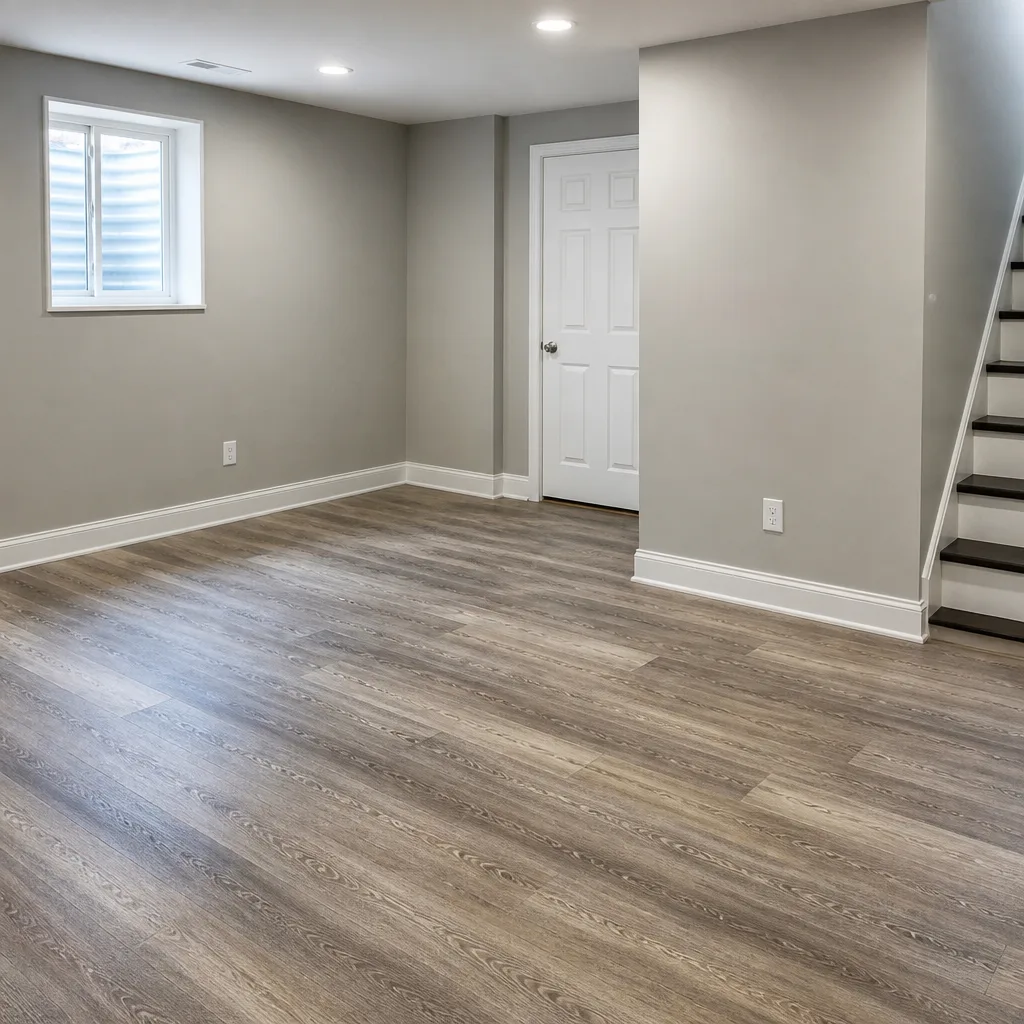
See the difference
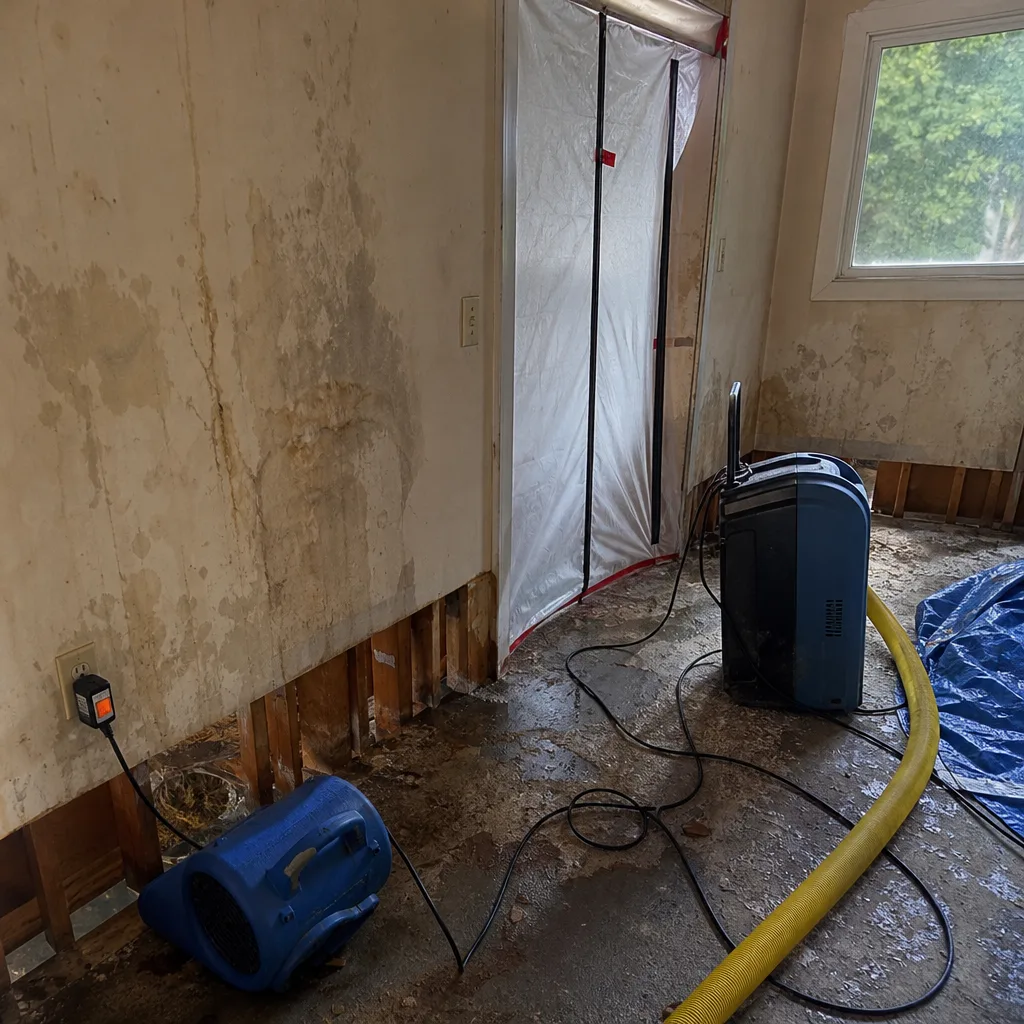 Before
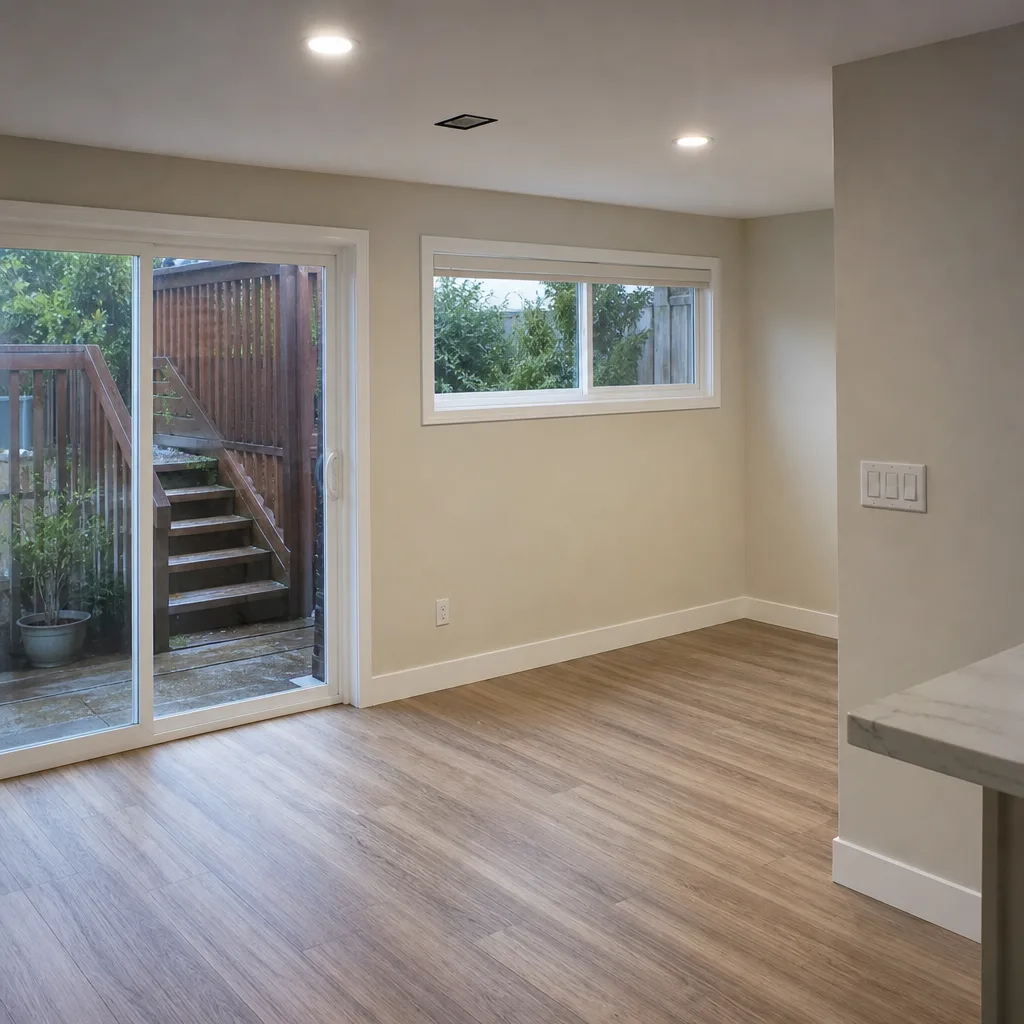 After
After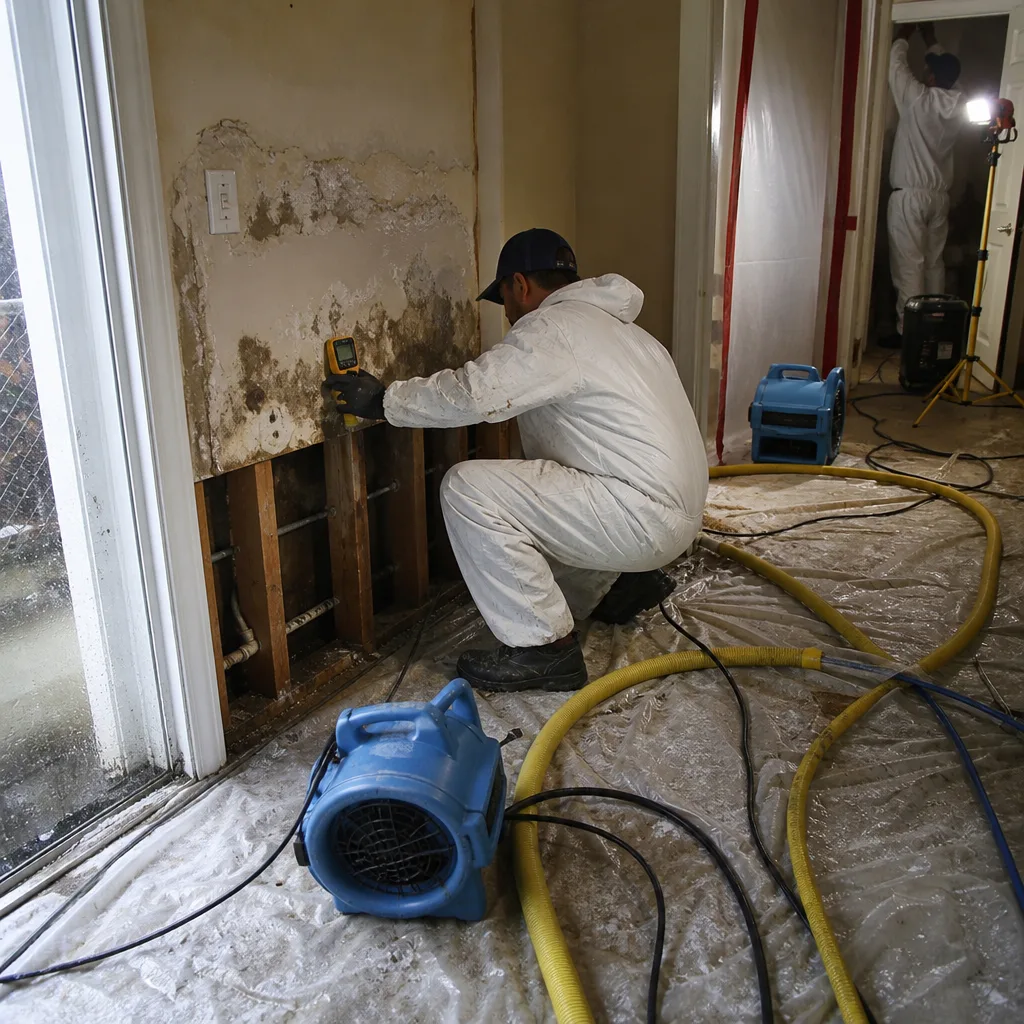 Before
 After
After Before
 After
After