
Last updated October 16, 2026
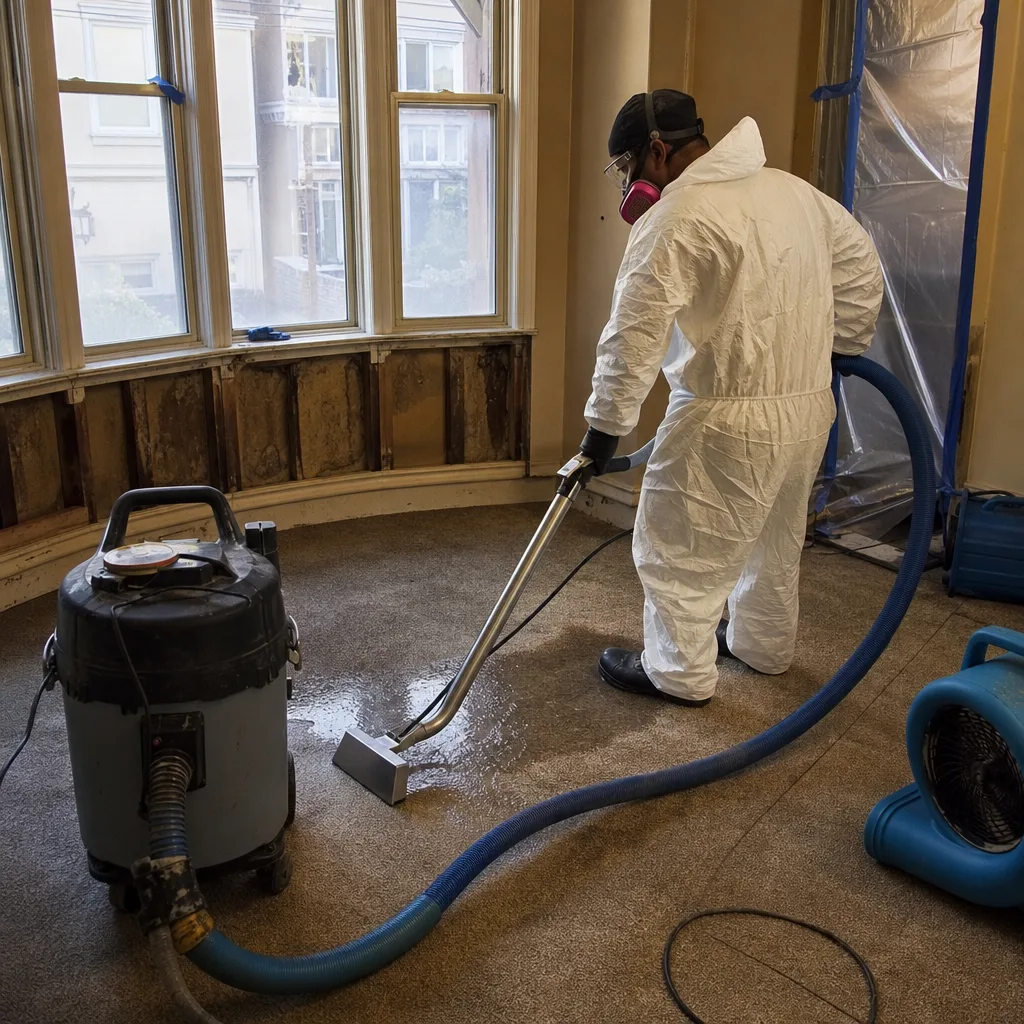
 Water damage drying
 Fire & smoke cleanup
 Mold remediation
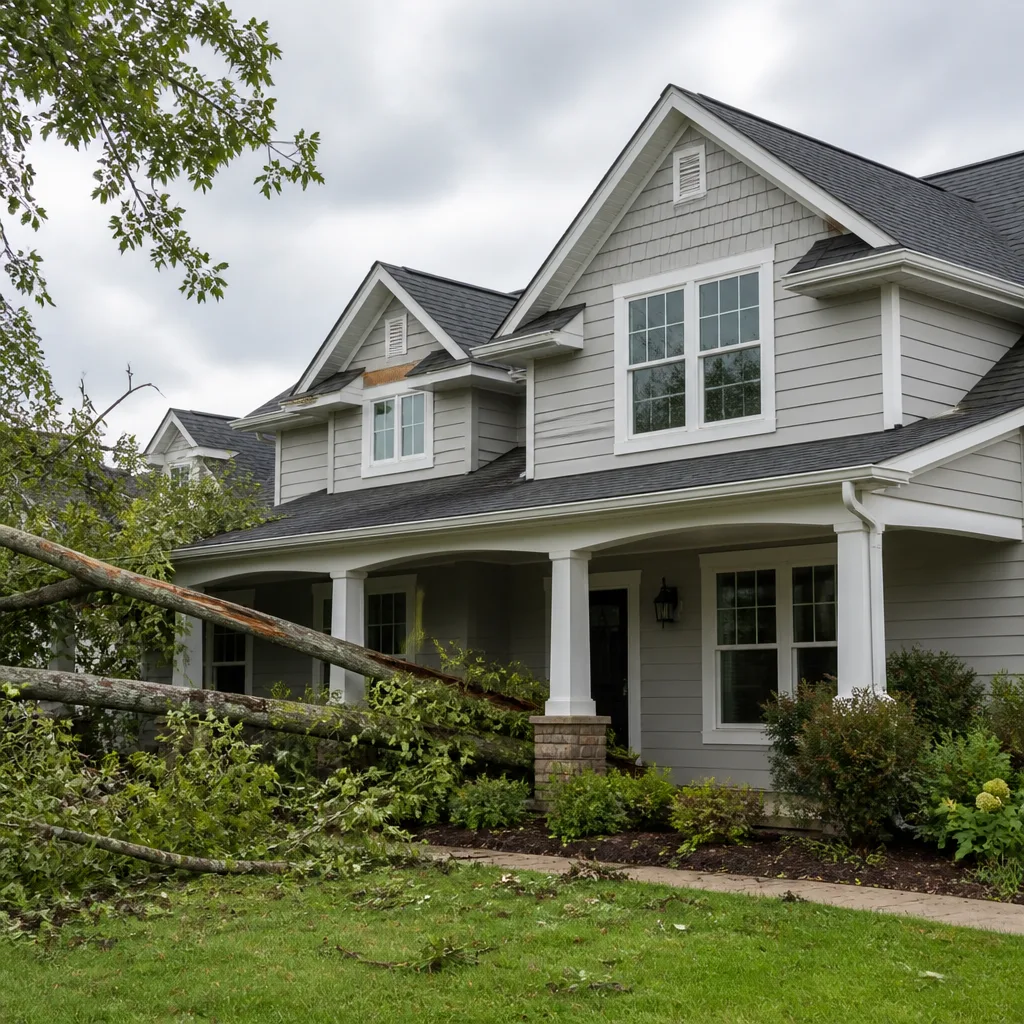 Storm response
 Sewage cleanup
 Reconstruction
Free visual inspection and a written scope of work before any mitigation begins - photos, moisture readings, and drying logs go in your claim file
The scope we write is the scope we bill. Anything new gets shown to you, in writing, before we touch it.
Get your free estimateDamage Restoration Cost Breakdown: The San Francisco Homeowner’s Reference for 2026
Most San Francisco restoration estimates are not inflated by contractor greed. They are inflated by the city itself. That $2,400 “logistics and staging” line item is usually a parking permit for a box truck, a DBI inspection fee, and a set of containment barriers built to fit a hallway that is 36 inches wide in a 1912 row house. This guide breaks down exactly what you will pay for water, mold, and fire restoration in San Francisco in 2026, why the numbers are 35-55% above the national average, and how to read a quote line by line so you can verify it instead of just accepting it. For more warning signs to watch for, see our San Francisco homeowner’s reference.
Restoration work we handle
Quick Answer
Water damage restoration in San Francisco in 2026 typically runs between $2,800 and $9,500 for a single-room event, with full-home floods and Category 3 sewage backups ranging from $15,000 to $60,000 or more. The single largest variable is not square footage. It is the containment and equipment-staging logistics in neighborhoods where a dumpster permit and a “no park” zone can add $800 to $1,400 before a single piece of drywall is touched. Mold remediation averages $1,800 to $6,000 per affected area, and fire damage restoration starts around $4,500 for a contained kitchen fire and climbs past $100,000 for structural rebuilds.
Table of Contents
- Why San Francisco Restoration Costs Run 35-55% Above the National Average
- Line-Item Cost Breakdown for the Four Most Common SF Damage Scenarios
- SF DBI Permit and Inspection Fees You Can Verify Before Signing
- How Insurance RCV vs. ACV Payouts Interact With SF Labor Rates
- Hidden Cost Multipliers Unique to San Francisco Homes
- What a Written Price Guarantee Actually Looks Like in Practice
- Common Mistakes to Avoid
- When to Call a Professional
- Frequently Asked Questions
- The Bottom Line
Why San Francisco Restoration Costs Run 35-55% Above the National Average
In Kansas City, a restoration crew parks a truck in a driveway and unloads equipment through a garage. In San Francisco, the same crew applies for a temporary no-parking zone from the SFMTA, posts signage 72 hours in advance, stages a box truck on a hill with wheel chocks, and carries 180-pound dehumidifiers up a flight of stairs, through a 30-inch doorway, and into a bedroom that has not been remeasured since 1924. None of that is free, and none of it appears on a national cost database. That is the real story behind San Francisco’s restoration premium.
Labor is the biggest single line item. Union-scale restoration technicians in the Bay Area earn 40-60% more than their counterparts in Texas or Ohio. General contractor rates, which restoration companies bill against when the scope crosses from mitigation into reconstruction, run $95 to $160 per hour in San Francisco proper. A two-day dry-out with two technicians and a project manager can carry a labor cost of $4,000 to $7,000 before a single piece of equipment is counted.
Then there is the parking. Our crews have spent more time coordinating SFMTA temporary occupancy permits than any other single logistics task. A temporary no-parking zone for a 20-foot box truck runs $124 to $698 depending on the neighborhood, the duration, and whether the application is expedited. In the Mission, where street parking is already a competitive sport, we sometimes need two meters bagged plus a corner clear for the hose run. That is $300 to $900 just for the right to park near your front door. A dumpster permit from the Department of Public Works adds another $400 to $1,000 depending on placement and whether it blocks a bike lane or Muni stop. These are real costs, and they are verifiable.
You can see the full scope of how these logistics are handled across every Water Damage Restoration in San Francisco project we take on. The pricing, the permits, the staging plan, all of it is laid out in writing before our crew drives toward your neighborhood.
Line-Item Cost Breakdown for the Four Most Common SF Damage Scenarios
Here is what restoration actually costs in San Francisco in 2026, broken down by the type of water, the affected area, and the build characteristics of the home. These ranges reflect our own project data across the city, from the Sunset to Bernal Heights, and they include both mitigation (the emergency drying and containment) and reconstruction (the rebuilding of what was removed).
| Scenario | Typical SF Home Type | Mitigation Range | Full Restoration Range | Key SF Cost Driver |
|---|---|---|---|---|
| Category 1 (clean water) hardwood floor | Single-family, pre-1950 | $2,800 – $5,200 | $7,500 – $18,000 | Hardwood drying vs. replacement; subfloor access from below |
| Category 2 (gray water) bathroom | Condo or flat, 2-3 story | $3,200 – $6,400 | $9,000 – $22,000 | Tile removal, pan replacement, shared-wall containment |
| Category 3 (black water) crawl space | Row house or Victorian | $6,500 – $14,000 | $18,000 – $55,000+ | Full PPE containment, waste disposal, seismic tie-down access |
| Storm-driven roof-to-interior penetration | Flat-roof mid-century or hillside | $4,000 – $9,000 | $15,000 – $40,000+ | Roof tarping, structural drying, interior chase access |
Let us walk through each one, because the numbers only make sense when you see what actually happens inside the house.
Category 1: Clean Water on Hardwood Floor
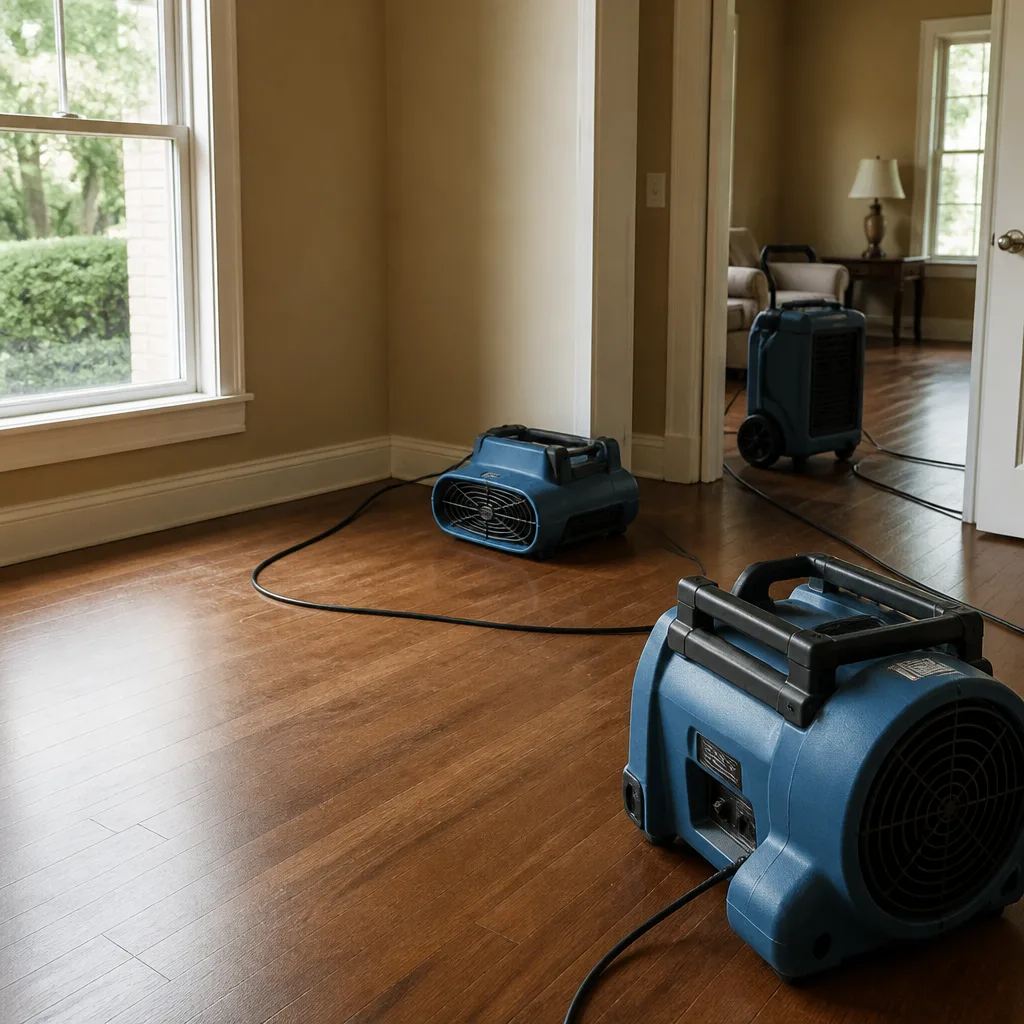
Clean water, usually from a supply line or an overflowing tub with no contaminants, is the cheapest to remediate. But in San Francisco, “cheapest” still means $2,800 to $5,200 just for mitigation. That covers extraction, containment, and drying equipment. A standard dry-out uses Dri-Eaz or Phoenix dehumidifiers, XPOWER air movers, and Injectidry floor-drying mats if the hardwood can be saved. If the floor has cupped or the water sat for more than 24 hours, the hardwood comes out and the price climbs into the $7,500 to $18,000 range for refinish or replacement. The wild card is the subfloor. In older San Francisco homes, the subfloor is often 1×6 diagonal boards nailed directly to joists. Dry those in place when possible. It saves $2,000 to $4,000 in replacement and preserves the original flooring system, which is part of why a Tidemark Water Damage San Francisco home gets a drying plan, not a demolition plan, as the first step.
Category 2: Gray Water in a Bathroom
Gray water, water from a shower, sink, or washing machine drain, carries soap, skin cells, and bacteria that require antimicrobial treatment and often demolition of porous surfaces. In a San Francisco condo or flat, the bathroom is frequently a second-floor wet room with original tile, a mud bed pan, and a neighbor below. Containment has to seal the room before demolition starts, and the work often requires access to the ceiling below for drying. Expect $3,200 to $6,400 for mitigation and $9,000 to $22,000 for full restoration including tile reset, pan replacement, and drywall repair. The shared wall with the adjacent unit is a common complication. We routinely work behind walls in San Francisco buildings where the neighbor’s framing is the back of your shower. The containment plan has to account for that boundary.
Category 3: Black Water in a Crawl Space
Black water, sewage, or flood water carrying pathogens, is the most expensive per square foot to remediate, and San Francisco crawl spaces make the job harder than it looks. A typical Victorian or row house has a crawl space 24 to 36 inches high with a dirt floor, decades of debris, and structural posts that have shifted over time. Full PPE containment is non-negotiable. Technicians work in respirators and Tyvek suits. The contaminated soil is removed, the area is treated with antimicrobials, and drying is run for a minimum of three to five days. Add in the seismic tie-down access, because the work often exposes or disturbs the foundation bolting that San Francisco requires for even minor remodels. Mitigation runs $6,500 to $14,000. Full restoration, including new vapor barrier, insulation, and any structural repairs, starts at $18,000 and can exceed $55,000 on a large or severely contaminated crawl space. If your home has mold in this scenario, our Mold Remediation in San Francisco guide walks through what remediation looks like step by step.
Storm-Driven Roof-to-Interior Penetration
San Francisco storms are not hurricanes, but the combination of saturated clay roof tiles, failing membrane on flat roofs, and wind-driven rain creates a distinct damage pattern. Water enters at the roofline, travels down an interior wall cavity, and pools at the floor assembly, often three rooms away from where it entered. The roof chase has to be opened to find the true tide mark, the line water leaves on framing as it recedes. That phrase, tide mark, is the first thing our technicians look for on every job. It tells us where the water actually went, not where the homeowner guesses it went. Mitigation for a roof-to-interior penetration runs $4,000 to $9,000 with tarping, containment, and structural drying. Full restoration, including drywall, insulation, flooring, and paint, lands between $15,000 and $40,000 or more depending on the roof repair itself.
SF DBI Permit and Inspection Fees You Can Verify Before Signing
The San Francisco Department of Building Inspection charges fees for most restoration work that crosses from mitigation into reconstruction. See our detailed breakdown of Damage Restoration Permits, Codes & Inspections in CA: What You Need to Know for the full picture. Any contractor who buries these fees in a single “miscellaneous” line item is not doing you a favor. Here is what the DBI actually charges for the most common restoration scopes in 2026, so you can verify a permit line item before you sign.
- Minor plumbing or electrical permit (no structural change): $250 to $600 depending on fixtures and outlets. Required when a toilet, sink, or outlet is replaced as part of the restoration.
- Full bathroom or kitchen remodel permit: $800 to $2,500. This applies when the restoration scope crosses into replacing cabinets, tile, or reconfiguring plumbing. The fee is calculated on valuation.
- Structural repair permit (joist, beam, foundation work): $1,200 to $4,000. Crawl space restoration that exposes or modifies structural members almost always triggers this.
- Asbestos and lead clearance inspections: $400 to $1,100 each. Required before and after demolition in pre-1980 and pre-1978 homes respectively. The testing itself is separate.
- DBI over-the-counter plan review (for small scopes): $300 to $800 depending on the project valuation and plan complexity.
A reputable San Francisco restoration company will show you the permit fee schedule and the actual DBI application before work starts. The written price should include every permit and inspection fee as a distinct line item, not a lump sum. If a contractor tells you a permit is not needed for work that involves plumbing, electrical, or structural changes, call the DBI yourself and ask. The answer is usually yes, a permit is needed. The cost of an unpermitted restoration can surface at resale, and it is far more expensive to fix then.
How Insurance RCV vs. ACV Payouts Interact With SF Labor Rates
Here is the part most guides skip, and it is the most important financial distinction for a San Francisco homeowner. Your insurance policy pays for water damage and fire damage in one of two ways: Replacement Cost Value or Actual Cash Value.
RCV pays the full cost to replace damaged materials with new materials of like kind and quality, at today’s local rates. ACV pays only the depreciated value of what was damaged. A 15-year-old water heater that fails and floods a basement might have an ACV payout of $150 against a replacement cost of $1,200. If your policy is RCV, you get the full $1,200 minus your deductible. If it is ACV, you eat the difference.
The San Francisco complication is this: national insurers price “usual and customary” labor rates against a database that is often 12 to 24 months behind Bay Area market rates. When a national insurer’s estimate says drywall replacement costs $38 per square foot in San Francisco and every licensed contractor is charging $52, the insurer will underpay unless the contractor files a supplement. A supplement is a documented request for additional payment based on actual line-item costs, supported by photos, moisture readings, and local pricing data. Without photo documentation and a detailed scope, the supplement gets denied.
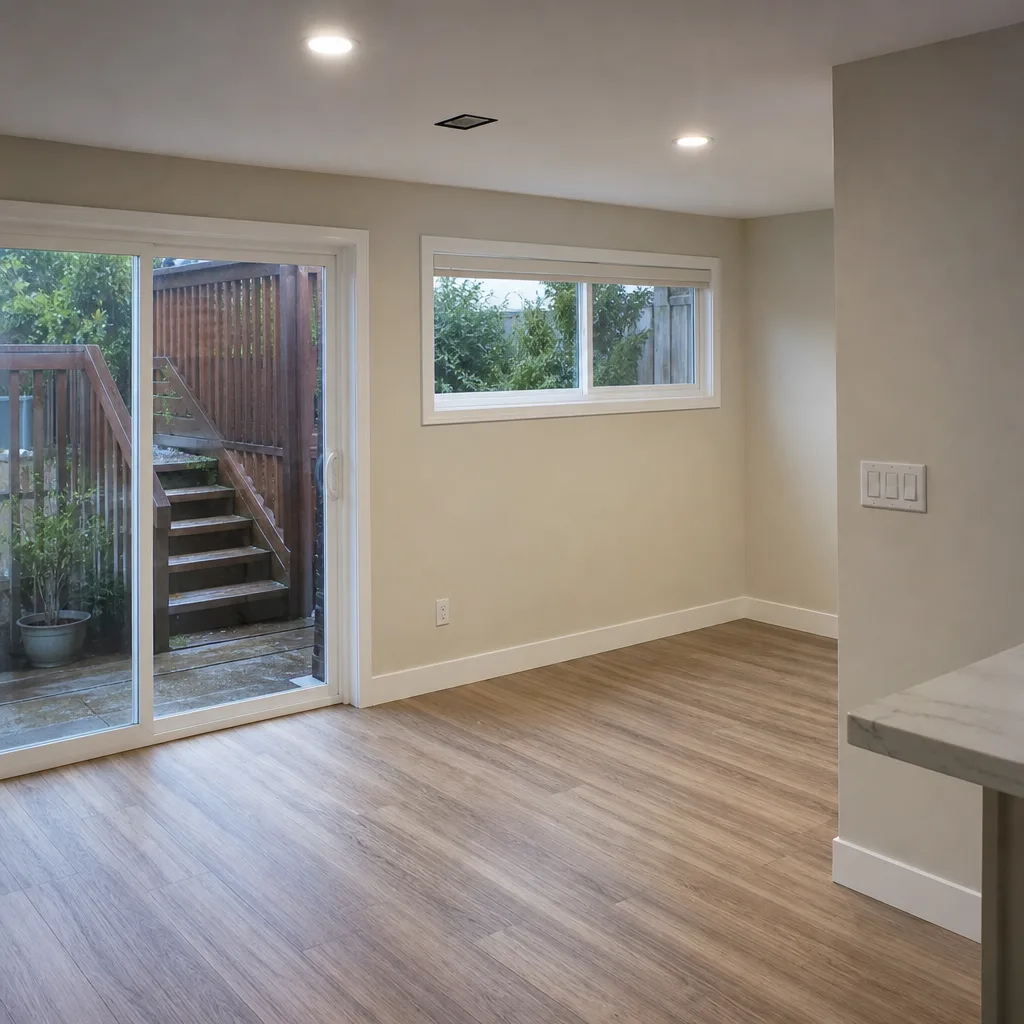
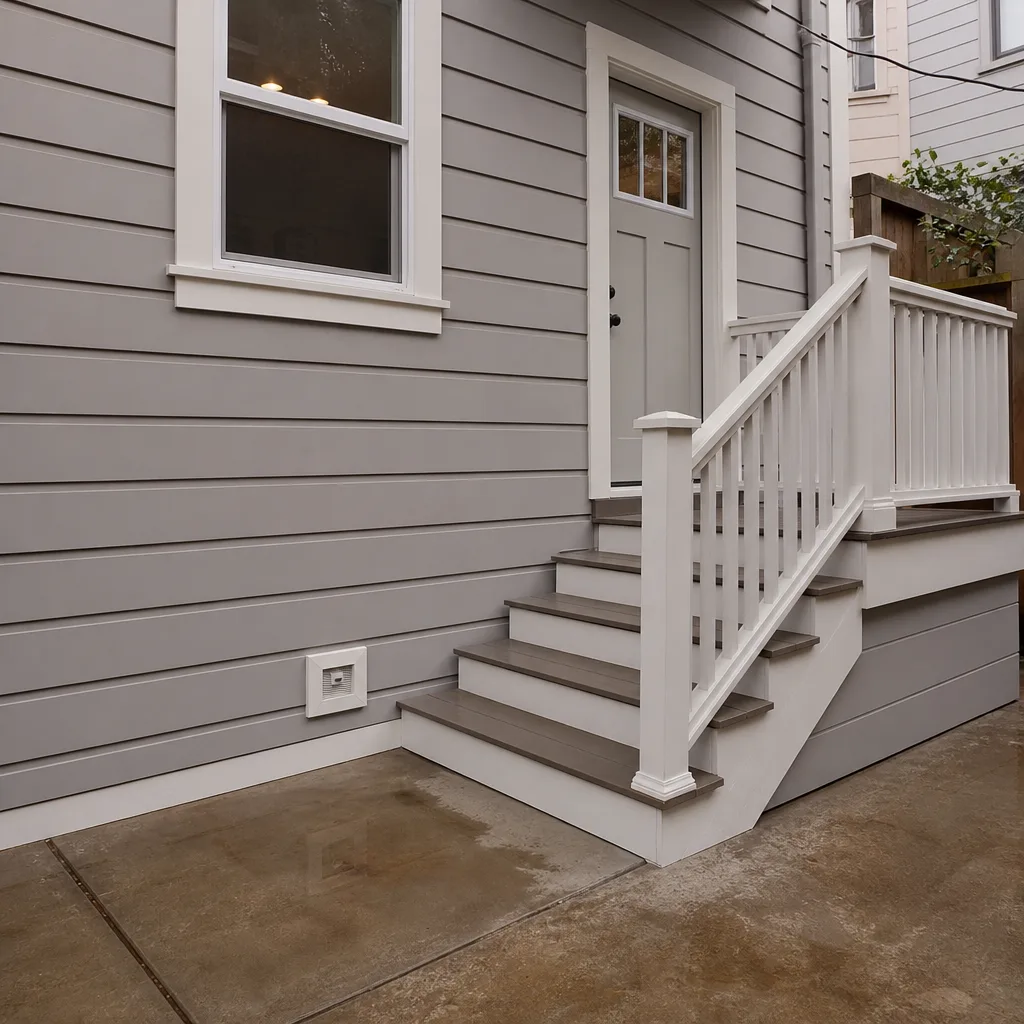
That is why photo documentation matters so much on every job. We photograph the damage before demolition, during every phase of drying, and after cleanup. Those photos become the evidence that forces the adjuster to pay San Francisco rates, not national averages. The cleaning photo is also shared with the homeowner before our crew leaves, so you see exactly what was done and how it was left.
This is where the right restoration partner changes the outcome. If a fire damages your home, the documentation standard is even more important. Our Fire Damage Restoration in San Francisco team works directly with adjusters, and we have seen the difference a complete photo file makes on a supplement claim. It is often thousands of dollars.
Hidden Cost Multipliers Unique to San Francisco Homes
Beyond permits and parking, three housing-stock realities drive restoration costs in San Francisco more than any other factors. Homeowners who know about these before a disaster can plan for them. Homeowners who learn about them mid-project feel ambushed.
Asbestos Testing in Pre-1980 Homes
Roughly 70 percent of San Francisco’s housing stock was built before 1980, which means asbestos-containing materials are likely present in drywall compound, floor adhesive, insulation, or popcorn ceiling texture. The DBI requires asbestos testing before any demolition that disturbs more than a small patch of material. Testing runs $200 to $600 per sample with a 24- to 72-hour turnaround. If asbestos is found, abatement by a licensed contractor adds $2,000 to $12,000 or more depending on the scope. We have seen a single hallway drywall job double in cost because the joint compound tested positive. Skip the test, and the DBI can red-tag the project until it is done properly.
Lead Paint Clearance in Pre-1978 Homes
Any San Francisco home built before 1978 may contain lead paint. When restoration disturbs painted surfaces beyond a certain threshold, the EPA’s Lead Renovation, Repair, and Painting (RRP) rule requires a certified renovator and specific containment practices. In San Francisco, the city adds its own lead requirements for residential work. Clearance testing, the final dust wipe that proves the home is safe for children to return, runs $400 to $900. The containment and work practice costs add 10 to 25 percent to the demolition portion of the job. If you have kids or pets, this is not a line item to haggle over. It is the difference between a home that is safe and a home that looks safe.
Seismic Upgrade Triggers When Walls Are Opened
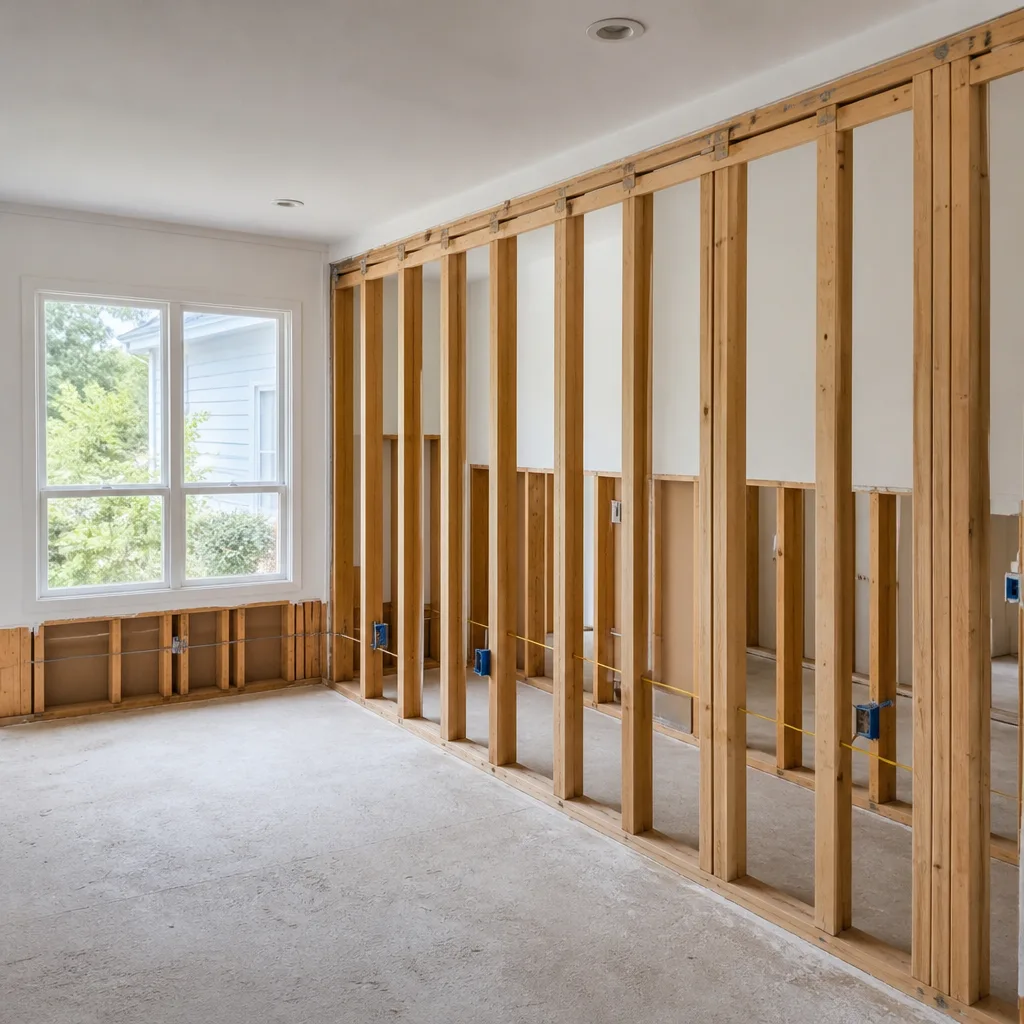
San Francisco building code requires that when a wall is opened beyond a certain percentage of its surface area, or when structural framing is exposed, the work must meet current seismic standards for that element. In practice, this means that a water-damaged wall in a 1920s Sunset flat may require shear wall reinforcement before the drywall can be closed back up. That reinforcement can add $1,500 to $5,000 per wall depending on the access and the existing framing condition. Your restoration contractor should flag this risk before demolition starts, not after the wall is open. If they do not, you are either working with someone who does not know San Francisco code or someone who hopes you will not notice.
What a Written Price Guarantee Actually Looks Like in Practice
Every restoration company will say they give you a written price. What they mean varies wildly. Some mean a hand-scrawled number on a work order that can change the moment the crew finds something unexpected. Others mean an estimate that excludes permits, dump fees, and equipment rental, so the final invoice is 40 percent higher than the first number you saw. The written price standard we follow at Tidemark Water Damage San Francisco is the Cedarwell Care Promise, and it works like this.
- The scope is written before tools come off the truck. The price you see is the price for the agreed work. Not a “starting at” number. Not a “subject to change” number. If the scope changes because the damage is materially different than what was visible, we stop work, walk you through the change, and get your signature on the revised scope before continuing. No surprises on the final invoice.
- Every line item is visible. Permits, parking, containment, equipment days, labor hours, materials, disposal fees. You see all of it. If the DBI fee is $1,800, your quote says $1,800, not “regulatory compliance: included.”
- The crew leaves the home the way they would want their own home left. Shoe covers go on at the door. Drop cloths cover the floor before the first piece of equipment comes in. The work area is sealed with containment barriers so dust does not migrate into the rest of the house. We use pet-safe drying agents where there is a choice, and lower-decibel settings during school hours and nap time.
- A photo of the clean-up is taken and shared before the crew leaves. You see exactly what was done and how it was left. If the photo does not match the promise, we fix it under the 365-Day Done Right Promise. That promise means what it says. If the restoration is not done right, we make it right, up to a year later.
We are independently owned and operated, working to the Cedarwell Care Promise. That matters because it means the person accountable for your job is in San Francisco, not in a corporate office in another state. Rick Sumner leads our team, and the standard he set when the company was founded in 2006 has not changed: explain the work, agree on the price, do the job right, and stand behind it.
Common Mistakes to Avoid
- Hiring a contractor based on the lowest bid without checking the permit line items. A bid that omits DBI fees, asbestos testing, or parking permits is not lower. It is incomplete, and the difference will appear on the final invoice or as a red-tagged project. Ask to see the permit application before you sign.
- Waiting more than 24 hours to call a professional for standing water. Clean water becomes gray water quickly, and gray water becomes a mold colony in 48 to 72 hours. A San Francisco home with original hardwood and a shared wall is especially vulnerable. Speed on the front end saves thousands on the back end.
- Assuming your insurance policy covers everything at full replacement cost. Many San Francisco homeowners carry ACV policies on older homes without realizing it, and the payout on a 20-year-old roof or water heater is a fraction of replacement cost. Read your policy declarations page today, not after the pipe bursts.
- Letting a contractor skip containment because “it is a small job” in a row house. Dust and mold spores do not respect property lines. Containment is not optional in attached San Francisco housing, and skipping it can create liability with your neighbors and a much larger remediation scope later.
- Signing a work authorization without a written change-order process. The scope will change on almost every restoration job once walls are opened. The question is not whether the price changes. The question is whether you get to approve the change before the work happens. Get that in writing.
- Using a restoration company that is not licensed to work in San Francisco. The city has specific licensing, permitting, and insurance requirements for restoration work. A contractor from the East Bay or the Peninsula may not be current on San Francisco’s seismic, lead, and asbestos requirements. Verify before you sign.
When to Call a Professional
You should call a professional the moment you find standing water, visible mold growth, or fire damage that goes beyond surface scorching. A supply line break that has flooded a kitchen needs extraction and drying within hours, not days. A musty smell coming from a bathroom wall is not a candle problem. It is a moisture problem, and the longer it sits, the more expensive it gets. Fire damage is different: even a small kitchen fire deposits soot and smoke residue that drifts through HVAC ducts and into rooms the flames never touched. Professional assessment is not upsell. It is the difference between a contained restoration and a whole-home problem. Tidemark Water Damage San Francisco offers free estimates in San Francisco, call (831) 400-3496 and speak with a real person, 24 hours a day, 7 days a week.
Frequently Asked Questions
Water damage restoration in San Francisco typically costs between $2,800 and $9,500 for a single-room event, with full-home floods or Category 3 sewage backups ranging from $15,000 to $60,000 or more depending on the affected area, home age, and whether asbestos or lead testing is required. San Francisco’s above-average labor rates, parking and permit fees, and the physical constraints of older attached homes push costs 35 to 55 percent above the national average. Call (831) 400-3496 for a free estimate with a written price before any work starts.
Insurance coverage depends on the cause of the water damage, your specific policy language, and whether your payout is calculated as Replacement Cost Value or Actual Cash Value. Sudden and accidental events like a burst pipe are generally covered, while gradual leaks or long-term seepage are often excluded. If your policy uses ACV, the payout may be far below the actual San Francisco restoration cost, which is why a contractor who knows how to document and file supplements matters. Request a copy of your insurer’s estimate and compare it line by line against your contractor’s written scope.
A live-person response is available 24/7, and our San Francisco crews can typically be on site within a few hours of your call depending on the neighborhood and the scope of the emergency. Every hour of delay on standing water increases the likelihood of mold growth and structural saturation. The sooner extraction and drying start, the lower the final restoration cost will be. Call (831) 400-3496 any time, day or night.
Mold that is visible on a surface larger than about 10 square feet, or mold that is hidden behind walls or under flooring from a prior water event, requires professional remediation, not surface cleaning. In San Francisco homes with shared walls and older construction, mold spreads through wall cavities and along sill plates in ways that a bleach wipe cannot reach. The remediation scope should be based on moisture readings and air sampling, not just what is visible. Get a professional assessment before deciding it is a DIY job.
A full-service restoration company should handle the adjuster communication for you, including the initial documentation, the scope of work, and any supplements required when the insurance estimate comes in below San Francisco market rates. The key is photo documentation and a written scope that matches the insurer’s line-item format. At Tidemark Water Damage San Francisco, we document every phase of the job, share the cleanup photo with you before we leave, and work directly with your adjuster to close the gap between the national database rates and what San Francisco contractors actually charge.
DBI permit fees for common restoration scopes in San Francisco range from about $250 for a minor plumbing or electrical permit to $4,000 or more for structural repair permits on crawl space or foundation work. Full bathroom and kitchen remodel permits run $800 to $2,500, and asbestos or lead clearance inspections add $400 to $1,100 each. Any written estimate should list these fees as separate line items so you can verify them against the DBI fee schedule before signing.
The Bottom Line
San Francisco restoration costs are higher than the national average for reasons you can see, verify, and plan for: labor rates that reflect the Bay Area market, DBI permit and inspection fees, SFMTA parking permits for equipment staging, and the asbestos, lead, and seismic realities of a housing stock that is among the oldest in the country. A homeowner who understands the line items can compare quotes with confidence, spot a bid that is incomplete rather than cheap, and work with their adjuster to get paid at San Francisco rates. Explore more guides & resources to stay prepared before disaster strikes. The right restoration partner puts every number in writing before the work starts and stands behind the job after the crew leaves. That is the standard.
Written by Rick Sumner, Owner at Tidemark Water Damage San Francisco, serving San Francisco since 2006.
See the difference
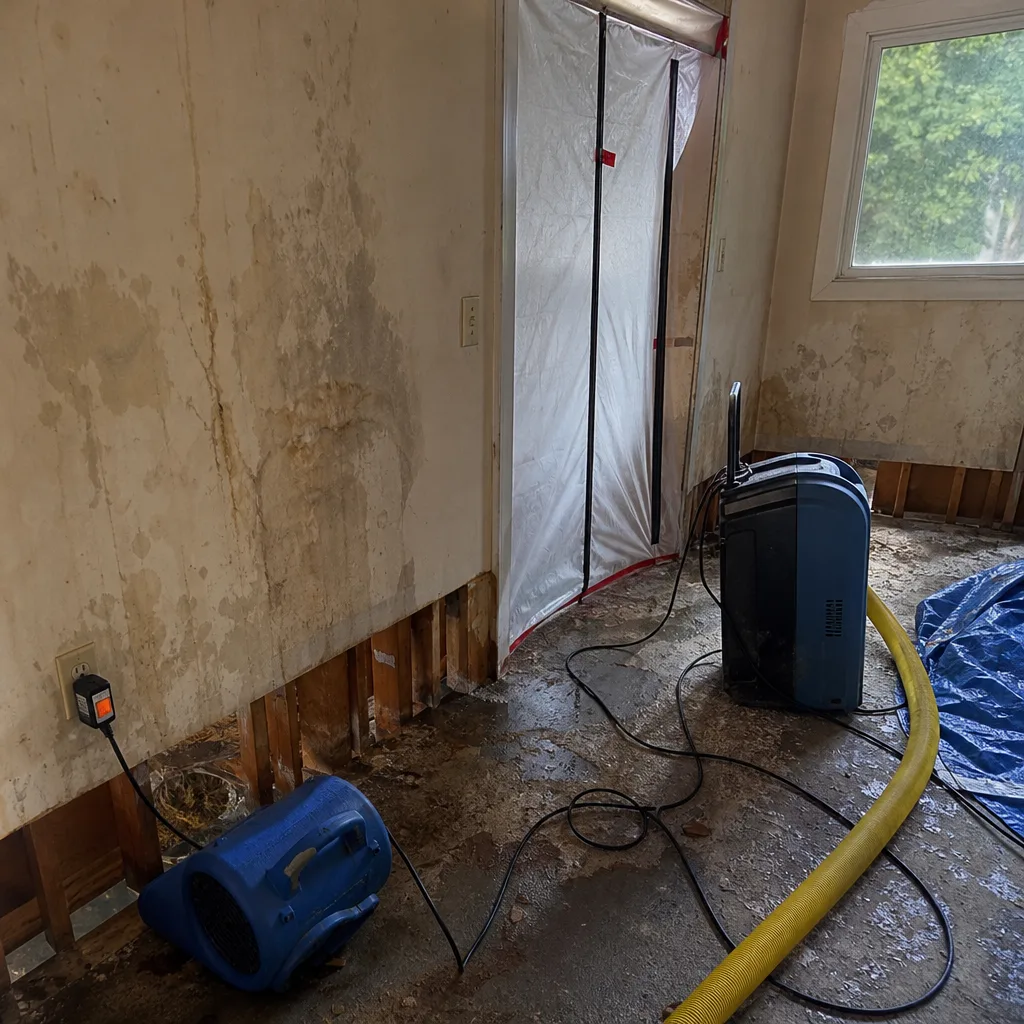 Before
 After
After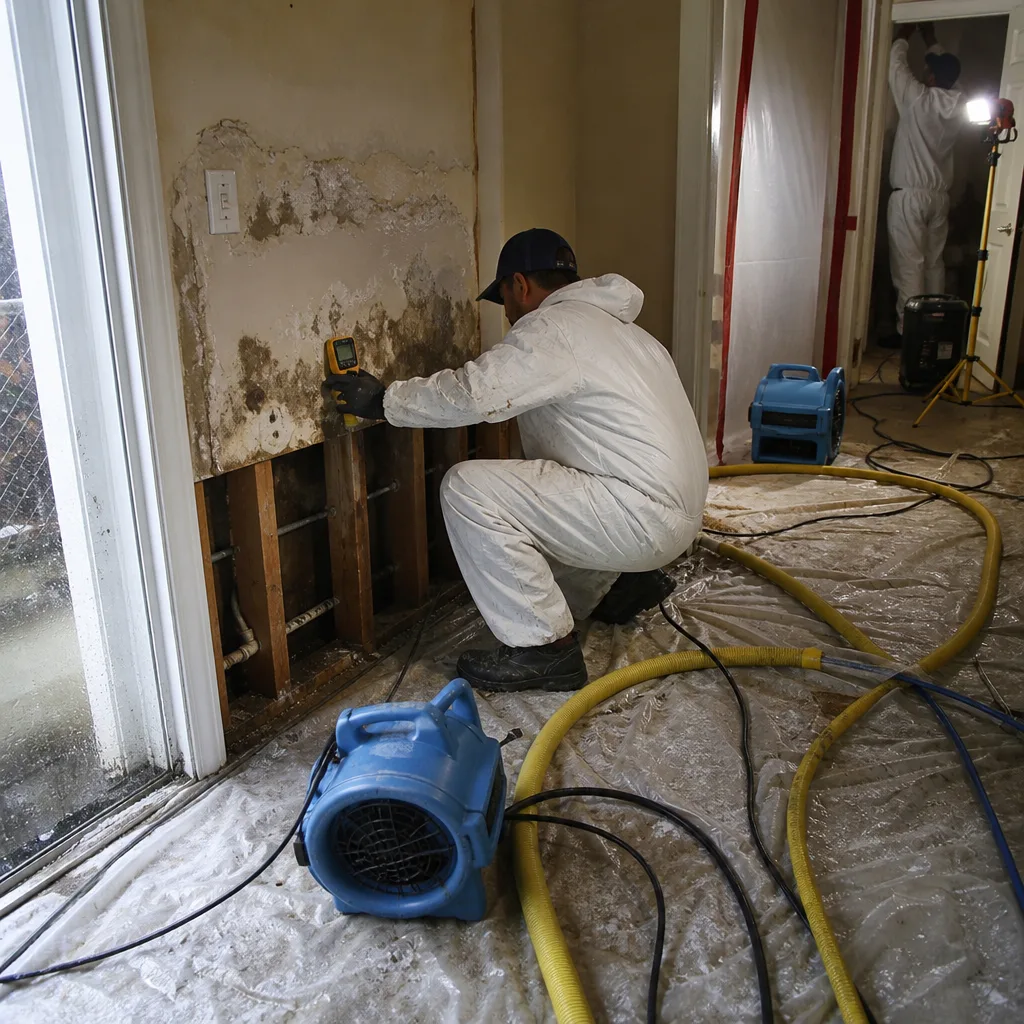 Before
 After
After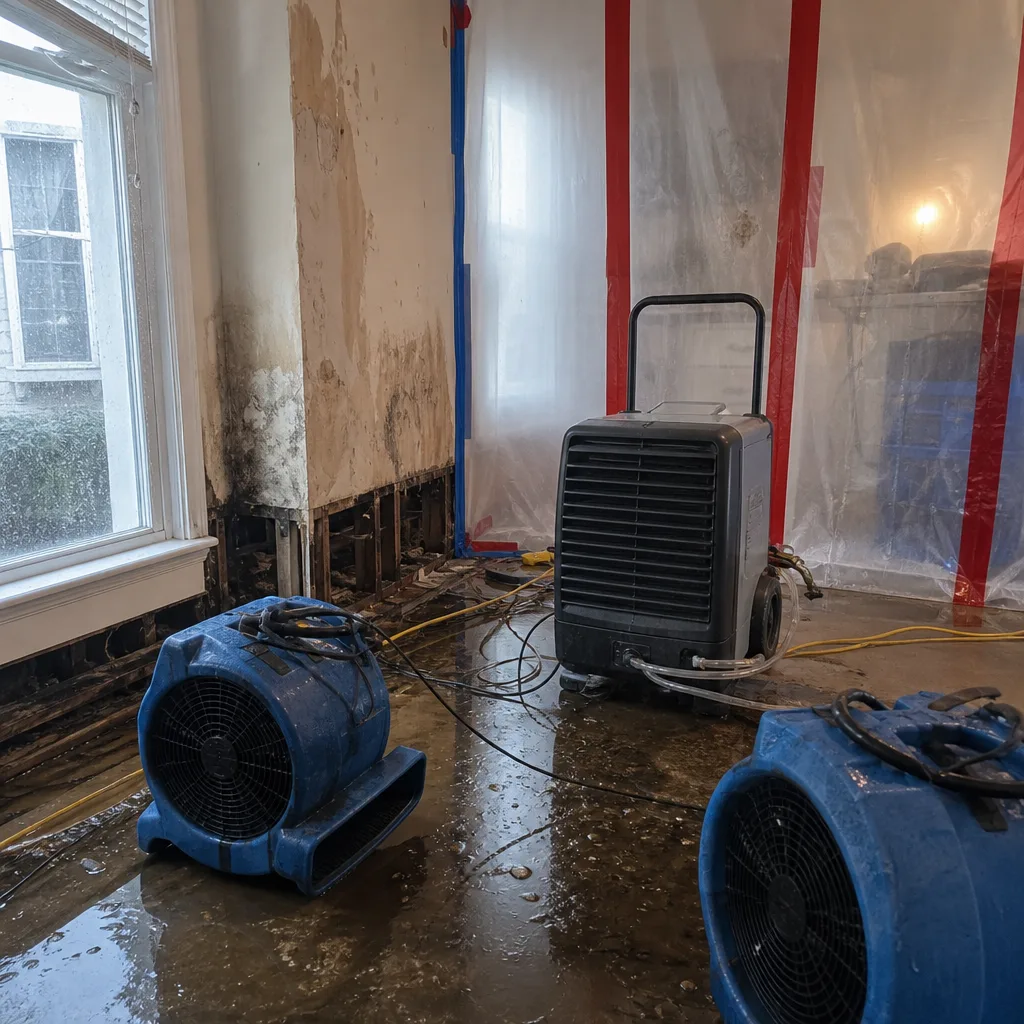 Before
 After
After